
Hôtel du Cap-Eden-Roc Architectural History: A Legend
Discover the Hôtel du Cap-Eden-Roc architectural history. Explore the design of this legendary palace among the luxury villas of Cap d'Antibes today!
On this page
The Hôtel du Cap-Eden-Roc stands as a beacon of French elegance on the Mediterranean coast in 2025. This palace represents a vital chapter in the Hôtel du Cap-Eden-Roc architectural history for global travelers. It sits among the finest luxury villas of Cap d'Antibes within the lush Riviera landscape.
Architectural enthusiasts travel from across the globe to admire its timeless design and coastal grandeur. The building serves as a testament to nineteenth-century luxury and twentieth-century innovation combined. Every stone and garden path tells a story of prestige and artistic vision.
The Origins of Villa Soleil
Founded in 1869, the original building served as a retreat for writers and thinkers. Auguste de Villemessant envisioned a peaceful sanctuary called Villa Soleil. The structure initially reflected a refined French Neoclassical aesthetic during its early years.
Its design featured clean lines and white limestone walls to reflect the warm Mediterranean sunlight. The facade offered sweeping views across the Azure sea toward the distant Lérins Islands. Early visitors appreciated the simplicity and quiet grandeur of the original villa design.
Architectural details emphasized balance and classical proportions throughout the nineteenth century. Large windows allowed natural light to flood the high-ceilinged rooms during the daytime. This period established the foundation for the hotel’s future international fame.
Antoine Sella and the Golden Era
Antoine Sella transformed the property into a world-class destination during the early twentieth century. He introduced modern amenities while preserving the building's historic charm and structural integrity. His vision expanded the hotel to include the famous Eden-Roc pavilion near the waves.
The architecture evolved to suit the tastes of elite travelers from America and Europe. Sella added grand balconies and refined decorative elements to the main building's exterior. These changes solidified its reputation as the jewel of the French Riviera’s luxury landscape.
The hotel transitioned from a winter retreat to a vibrant summer destination by the 1920s. This shift required cooling architectural features like thick masonry walls and spacious shaded terraces. Such adaptations were pioneering for the architecture in Antibes during that era.
The Iconic Pavilion of Eden-Roc
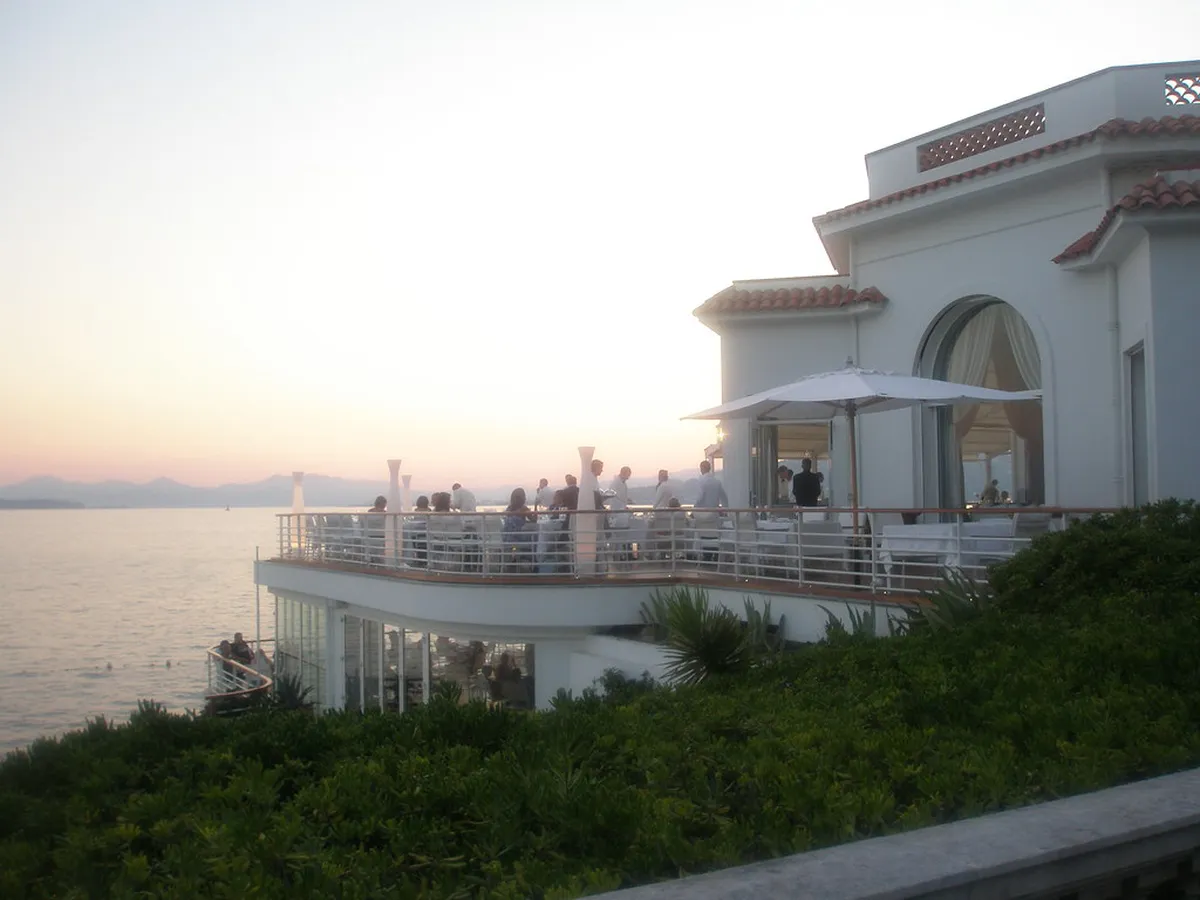
The Eden-Roc pavilion was constructed in 1914 on the rocky edge of the sea. This structure utilizes a more modern, open design compared to the main historic hotel building. It features a saltwater swimming pool carved directly into the rugged basalt rocks.
Large glass panels and terrace spaces connect the interior with the surrounding natural beauty. This design philosophy emphasizes a seamless transition between indoor luxury and the coastal environment. It remains one of the most photographed architectural features in southern France today.
Renovations in the late twentieth century updated the pavilion with contemporary materials and finishes. Architects maintained the original silhouette to honor the historic character of the iconic seaside site. The pavilion continues to host celebrities during the annual film festival.
Napoleon III Style and French Gardens
The main building showcases the distinctive Napoleon III style common in late nineteenth-century France. This style combines classical symmetry with ornate decorative flourishes on the roof and facade. Mansard roofs and grand chimneys create a striking profile against the clear blue sky.
Manicured gardens surround the building, creating a green buffer between the hotel and the sea. The layout follows a traditional French garden design with straight paths and geometric flower beds. These gardens complement the famous architects of Cap d'Antibes villas who prioritized landscape integration.
Visitors can walk through a long, majestic alley of pines leading toward the water. This grand entrance highlights the hotel's scale and its prestigious position on the Cap. The relationship between the building and the gardens defines its unique architectural identity.
Frequently Asked Questions
When was the Hôtel du Cap-Eden-Roc originally built?
The original structure, known as Villa Soleil, was completed in 1869. It officially opened as a hotel for guests in early 1870. The property has undergone several major renovations since that time.
What architectural style is the main hotel building?
The main building primarily features the Napoleon III architectural style. This style is known for its symmetry and ornate decorative details. It reflects the grandeur of late nineteenth-century French design.
Who were the primary designers of the hotel extensions?
Antoine Sella was the visionary who drove most early twentieth-century expansions. He worked with various craftsmen to create the iconic Eden-Roc pavilion and the pool. Recent updates have been managed by specialized preservation architects.
The Hôtel du Cap-Eden-Roc architectural history remains a cornerstone of French Riviera culture in 2025. Its blend of Neoclassical and Napoleon III styles creates a unique atmosphere of historic luxury. Plan your visit to Antibes to experience this architectural masterpiece in person soon.
Key Takeaways
- The hotel originated as Villa Soleil in 1869 for writers.
- Antoine Sella introduced the summer season and the Eden-Roc pavilion.
- The architecture features iconic Napoleon III style and French gardens.