
Palais des Gouverneurs Hanging Gardens 2025 Guide
Visit the Palais des Gouverneurs hanging gardens in Bastia. Learn about Governors' Palace architecture and plan your 2025 French holiday with our expert tips.
On this page
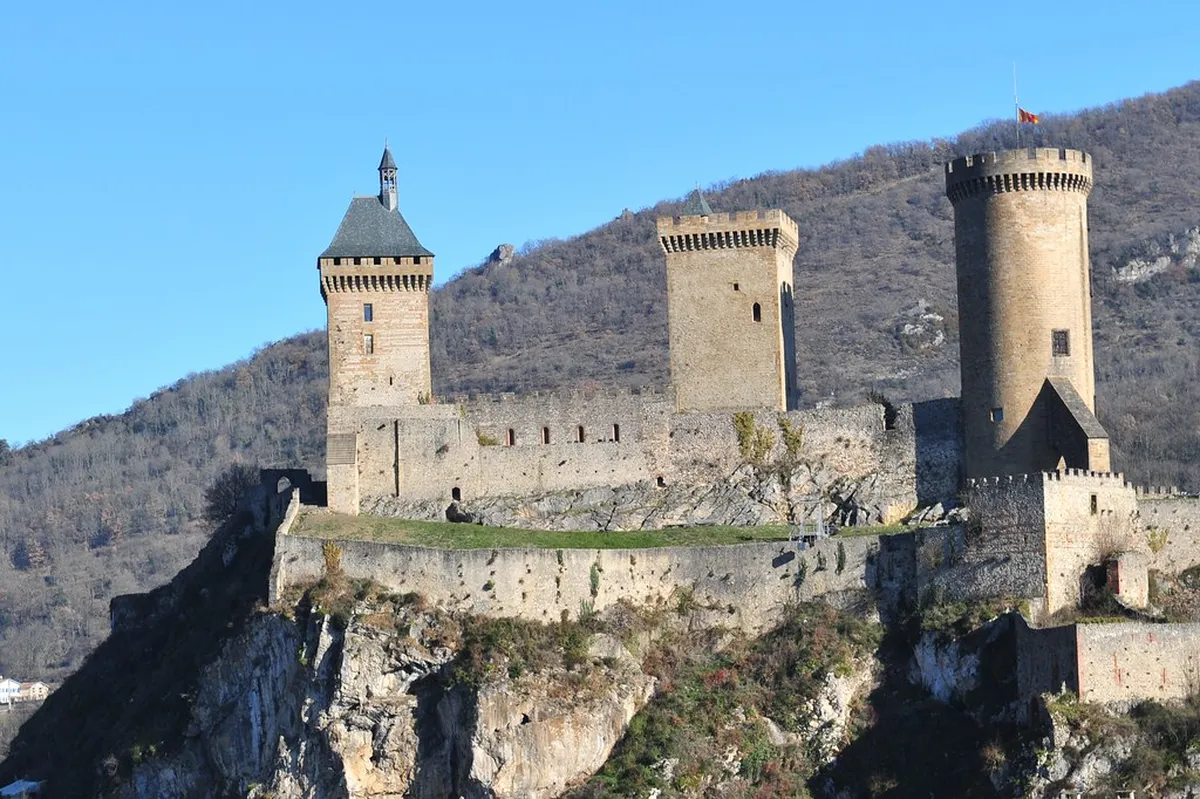
The Palais des Gouverneurs hanging gardens are a true masterpiece of landscape design in Corsica. These unique terraces offer panoramic views of the Mediterranean Sea and the historic old harbor. You will find this beautiful site nestled within the sturdy walls of the Bastia citadel. It represents a significant part of the Governors' Palace architecture that defines the city skyline.
Visitors in 2025 will find the Palais des Gouverneurs hanging gardens to be truly captivating. The gardens were originally constructed on top of the ancient defensive bastions of the palace fortress. This clever use of space allowed for both military defense and private beauty within the city. Today, the gardens serve as a peaceful retreat for tourists and local residents alike.
History of the Governors' Palace Architecture
The Palais des Gouverneurs stands as a powerful symbol of Genoese rule in northern Corsica. This impressive fortress dates back to the late 14th century when the republic controlled the island. Its massive walls were designed to protect the ruling governors from many external maritime threats. You can still see the original stone masonry that has survived through several centuries of history.
The palace features a unique blend of military strength and refined residential design elements. Architects carefully designed the structure to withstand long sieges from various invading enemy forces. Today, the building houses the Bastia Museum which displays a wide range of local historical exhibits. It remains a central piece of Governors' Palace architecture for visitors to explore.
The Genoese influence is clearly visible in the vaulted ceilings and the thick outer defensive walls. These architectural details showcase the advanced engineering skills possessed by the builders of that era. The palace remains the most significant landmark within the historic and elevated Terra Nova district. It successfully connects the military past of the city with its vibrant cultural present in 2025.
During the 15th century, the palace was expanded to include more comfortable living quarters. Builders added decorative elements that contrasted with the harsh exterior of the defensive fortress walls. These additions reflect the changing needs of the governors as the region became more stable. Every stone tells a story of political power and architectural evolution in the city of Bastia.
Preservation efforts have ensured that the palace maintains its historical integrity for future generations. Recent restoration projects have focused on cleaning the facade and stabilizing the ancient terrace structures. This work allows modern visitors to appreciate the same views that the governors once enjoyed. The palace stands as a testament to the enduring nature of Corsican stone construction.
Landscape Design of the Hanging Gardens
The Palais des Gouverneurs hanging gardens offer a peaceful escape from the busy city streets. These gardens were carefully built upon the ancient defensive bastions located on the eastern side. Designers utilized the extreme height of the walls to create several levels of tiered green spaces. This layout provides an excellent example of Mediterranean landscape engineering and creative space management.
The gardens feature a wide variety of local plants and many aromatic Corsican herbs. You will find lavender, rosemary, and vibrant bougainvillea growing throughout the different terrace levels. These plants thrive in the sunny and warm climate of Bastia during the year 2025. The various scents create a relaxing atmosphere for every visitor who walks through the site.
Walking through the gardens reveals smart drainage systems used by the early garden designers. These systems kept the delicate plants hydrated while protecting the heavy stone palace foundation. The integration of nature into a solid stone fortress is a truly impressive architectural feat. It showcases how landscape architecture can successfully transform a formerly grim military fortification site.
The paths are lined with traditional stone pavers that match the color of the palace walls. Small benches are placed at strategic points to allow visitors to rest and enjoy the views. The garden design follows a geometric pattern that reflects the formal style of the Renaissance period. Every plant is carefully chosen to withstand the salty air coming from the nearby sea.
The verticality of the garden is its most striking feature when viewed from the old port. Trees seem to grow directly out of the stone walls in a beautiful display of life. This green oasis provides a stark contrast to the orange and yellow hues of the citadel. It is a favorite spot for those looking to experience nature within an urban environment.
Engineering the Garden Terraces
The hanging gardens sit directly atop the massive walls of the Terra Nova citadel. These walls were built using local limestone and various traditional mortar techniques from the Genoese era. The height of the gardens offers a strategic view over the Mediterranean Sea and the port. This vantage point was once vital for spotting any approaching pirate ships or enemy fleets.
The transition from heavy stone ramparts to soft garden paths is executed with great skill. Engineers used thick layers of soil to support the weight of the various trees and shrubs. Stone staircases connect the different levels of these hanging green spaces for the visitors to use. Every step offers a new perspective on the surrounding historical monuments and the blue sea.
The bastions serve as a solid base for all the modern garden installations and plants. These structures have survived centuries of coastal weather and the corrosive effects of maritime salt. You can still see the original masonry patterns on the lower sections of the palace walls. The contrast between the grey stone and the green leaves is visually striking for photographers.
Maintenance of the terraces requires constant attention to ensure the structural safety of the walls. Heavy rain can cause issues for gardens built on top of ancient stone masonry structures. Specialized teams work to maintain the drainage pipes and prevent water from damaging the palace. This ongoing work ensures that the hanging gardens remain a safe place for public visits.
The weight of the soil is carefully distributed across the thickest parts of the bastion walls. Modern engineers use sensors to monitor any movement in the ancient stone during the year 2025. This careful management allows the gardens to grow without putting the historic palace at risk. It is a perfect marriage of ancient construction and modern structural monitoring techniques.
Exploring the Citadel of Bastia
The Palais des Gouverneurs is the crown jewel of the historic Terra Nova district. This area is known for its narrow streets and high stone houses built for the elite. Walking through the citadel feels like stepping back in time to the era of Genoese rule. The district is mostly pedestrian, making it a wonderful place for a slow afternoon stroll.
The citadel offers a quiet alternative to the bustling streets of the Terra Vecchia district below. While the old town is full of markets, the citadel retains a more noble atmosphere. You can find several small cafes hidden in the shadows of the tall stone buildings. These spots are perfect for enjoying a local coffee while soaking in the history.
Visitors should follow the marked walking paths to find the best views of the palace. The entrance to the hanging gardens is clearly signed from the main palace square. Many tourists overlook the gardens, so they often remain a quiet and peaceful place to visit. It is one of the most serene locations in the entire city of Bastia.
The citadel is also home to several important religious buildings and historic administrative offices. You can visit the nearby Cathedral of Sainte-Marie to see more impressive Baroque architectural details. The streets are paved with traditional stones that have been worn smooth by centuries of footsteps. Exploring this area provides a deep understanding of the local culture and history.
Local residents still live within the walls of the citadel, keeping the area alive and active. You will see laundry hanging from windows and children playing in the small paved squares. This living history makes a visit to the Palais des Gouverneurs feel very authentic and real. It is not just a museum but a functioning part of the modern city.
Photography Tips for Architectural Enthusiasts
Photographers will find many amazing opportunities at the Palais des Gouverneurs hanging gardens in 2025. The view looking down toward the Old Port is world-famous for its incredible color. Capture the orange rooftops of Bastia against the deep blue of the Mediterranean Sea. The green foliage provides a natural frame for all of your wide-angle landscape shots.
Focus your camera lens on the unique textures of the ancient and weathered stone walls. The way the sunlight hits the architecture in Bastia creates very dramatic shadows. Try taking photos from the lowest terrace level while looking up at the high bastions. This specific angle highlights the incredible height and massive scale of the historic structure.
The gardens offer a great view of the surrounding city landmarks from a high vantage point. You can see the nearby churches and the narrow streets of the Terra Vecchia district. Evening light provides a soft and golden glow on the yellow facade of the palace. It is the best time for capturing professional-looking travel photographs for your collection.
Use a tripod if you plan to take photos during the sunset hours in Bastia. The changing colors of the sky look stunning when reflected in the garden pools. Detail shots of the local flora against the stone can also produce very interesting results. The variety of textures makes this a dream location for every amateur photographer.
Avoid using a flash, as the natural light is much more flattering for the stone. Early morning light provides a clean and crisp look that emphasizes the architectural lines. Most visitors find that the middle terraces offer the best balance for panoramic photography. Be sure to bring plenty of memory cards for your camera during the visit.
Seasonal Guide for 2025 Travelers
Spring is the best time to see the Palais des Gouverneurs hanging gardens in bloom. The flowers are most vibrant and colorful during the months of April and May. Temperatures are mild, making the long walk through the citadel very pleasant for everyone. You will also experience much smaller crowds compared to the busy peak summer months.
Summer days in Bastia can often reach temperatures well over 30 degrees Celsius. The cool sea breeze provides some welcome relief when you are out on the terraces. Make sure to wear plenty of sun protection and a hat for your safety. The gardens stay green even during the height of the dry Corsican summer season.
Autumn brings cooler air and beautiful golden light to the palace grounds and gardens. The changing colors of the surrounding landscape provide a different and unique visual experience. Many people find the months of September and October to be ideal for a visit. The light is softer and the air is much fresher for walking.
Winter is much quieter in Bastia, but some garden plants may not be in bloom. However, the architectural details of the palace remain clearly visible and very impressive to see. You can enjoy the museum without any crowds during the colder months of the year. The citadel takes on a mysterious and historic feel during the winter season.
Check the local calendar for any special events held in the gardens during 2025. Occasional concerts and art shows take place on the terraces during the summer evenings. These events provide a unique way to experience the palace architecture and the gardens. Always book your tickets in advance for any special performances held at the site.
Frequently Asked Questions
When is the best time to visit the Palais des Gouverneurs hanging gardens?
The best time to visit is during the spring months of April and May. The flowers are in full bloom and the weather is very comfortable. Early morning visits are recommended to avoid the peak heat of the day.
Is there an entry fee for the gardens in Bastia?
Yes, entry to the gardens is typically included with the Bastia Museum ticket. The cost is approximately 5 Euros for an adult visitor in 2025. This fee helps with the ongoing preservation of the historic site.
Are the hanging gardens accessible for people with mobility issues?
The gardens feature several levels connected by stone stairs which can be difficult to navigate. Some upper terraces are accessible via the museum elevator for those with limited mobility. Please check with the museum staff for the best accessible routes.
How long does it take to see the gardens and the palace?
You should allow at least two hours to fully explore the museum and gardens. This gives you enough time to enjoy the views and the historical exhibits. Many visitors stay longer to take photos and enjoy the peaceful atmosphere.
The Palais des Gouverneurs hanging gardens are a must-see destination for anyone visiting Bastia. They offer a perfect mix of military history, smart engineering, and natural Mediterranean beauty. Visit this site in 2025 to experience the best of the local Corsican heritage. Your trip to the citadel will surely be a highlight of your journey to France.
Key Takeaways
- The gardens are built on historic 14th-century Genoese defensive bastions.
- Entry is included with the Bastia Museum ticket for about 5 Euros.
- Spring and autumn offer the best weather and light for photography.
Related reads: architecturebycity.com, genoese civil engineering in corsica, vaulted galleries of bastia museum.