
Moutarderie Fallot Building History in Beaune
Explore the Moutarderie Fallot building history in Beaune. Discover this industrial landmark and the last traditional mustard mill in France today.
On this page
Beaune remains a famous city known for its deep history and amazing food culture in France. The Moutarderie Fallot building history represents a vital part of the local industrial identity today. This site stands as the last independent mustard mill in the Burgundy region for visitors. Travelers can explore this unique landmark while walking through the charming streets of historic Beaune.
The building sits just outside the medieval city center near the ancient stone ramparts of the town. Its architecture blends functional industrial design with the rustic charm of traditional Burgundian stone masonry work. Walking through the halls feels like stepping back into the late nineteenth century of French industry. Many visitors come here to see how history and modern culinary excellence live together in 2025.
The industrial heritage of Beaune includes many sites, but Fallot is the most famous active factory. It serves as a living museum where the past meets the present through sights and smells. You will find various exhibits that explain the architectural development of this specific manufacturing site. Understanding the building's physical structure reveals how the mustard industry changed over many decades.
The family has managed the site since the year 1903 when Edmond Fallot took over operations. They preserved the original stone mills to ensure the mustard maintained its very high quality standards. This dedication to tradition makes the building a sanctuary for food lovers and history enthusiasts alike. It remains a rare example of a functional historic site that still serves its original purpose.
Early Origins of the Fallot Factory
Léon Descas founded the original mustard factory at this specific location back in the year 1840. The Moutarderie Fallot building history officially began when the Fallot family took over the business later. They expanded the facilities to accommodate new machinery while keeping the traditional stone grinding methods alive. The site reflects the transition from small artisan workshops to larger industrial production centers in France.
The original structure was quite modest compared to the sprawling industrial complexes found in larger French cities. It utilized local materials like limestone and sturdy oak beams to create a durable workspace for workers. This simple foundation allowed the business to survive through many economic changes during the nineteenth century. The factory quickly became a landmark for the community due to its constant production and local importance.
As the demand for Burgundy mustard grew, the physical footprint of the factory needed to expand significantly. New wings were added to the main building to house storage and specialized seed cleaning equipment. These additions maintained the architectural style of the region while improving the overall efficiency of the plant. The evolving layout shows the progress of industrial technology during the peak of the French industrial era.
Today, the exterior remains largely unchanged from its early twentieth-century appearance for the benefit of tourists. It stands as a testament to the enduring nature of family-run businesses in the heart of Burgundy. Visitors can still see the original entrance where horse-drawn carriages once delivered heavy bags of mustard seeds. This historic portal serves as a gateway into the long and spicy history of the mill.
Architectural Details of the Mustard Mill
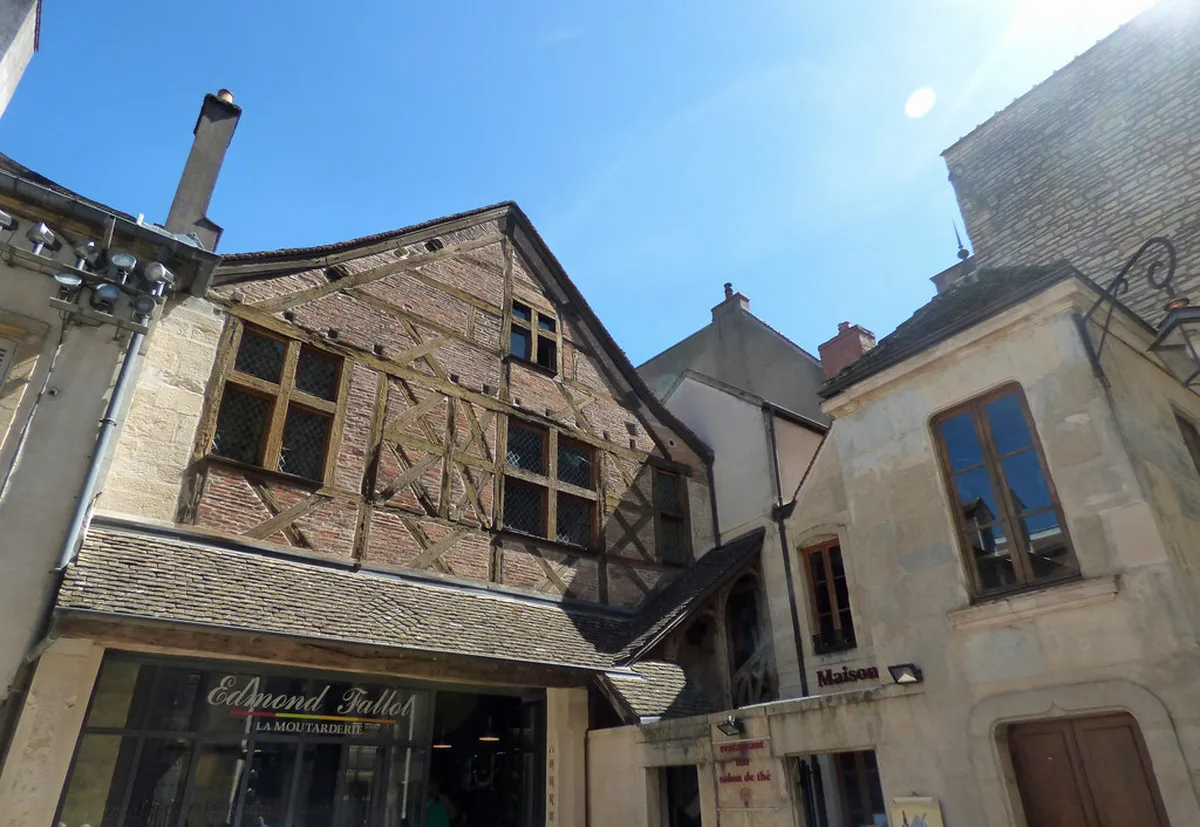
The building features classic architecture in Beaune that was common during the nineteenth-century industrial period. It uses locally sourced stone and heavy timber beams to support the heavy weight of grinding equipment. The facade shows the simple yet functional aesthetic of the early industrial revolution in this region. Large windows allow natural light to fill the production floors where workers once prepared the mustard seeds.
The interior layout was carefully designed to facilitate the complex process of making high-quality mustard products. Separate rooms were designated for soaking the seeds, grinding the paste, and aging the final mixture. This logical flow of production is still visible when you walk through the historic parts of the factory. The thick walls help regulate the temperature which is critical for maintaining the flavor of the seeds.
Many parts of the roof still feature the traditional clay tiles that are iconic to the Burgundy landscape. These tiles provide excellent insulation and protection against the changing weather patterns of the French countryside. The integration of industrial needs with regional building techniques makes the Fallot factory a unique architectural specimen. It represents a bridge between the agricultural roots of the area and its growing industrial future.
Inside the mill, the heavy stone grinders are the most important architectural and functional elements to observe. These massive millstones are set into the floor to provide maximum stability during the intense grinding process. The surrounding wooden frames show the wear and tear of over a century of continuous daily use. Each scratch on the wood tells a story about the generations of workers who labored here.
The Evolution of Mustard Production Technology
The Moutarderie Fallot building history is also a story of technological preservation in an era of automation. While other factories moved to modern steel rollers, Fallot kept using the traditional stone grinding methods. This choice required the building to maintain its original structural integrity to support the heavy stone mills. The preservation of these techniques has allowed the factory to produce a superior and unique product.
In the early twentieth century, the factory introduced electricity to power the massive stones more efficiently than before. This technological shift required new wiring and motor mounts to be installed within the historic stone walls. You can still see some of the early electrical components preserved as part of the museum tour. These small details highlight the gradual modernization of the site without destroying its historic character.
Storage was another critical aspect of the building's design that evolved over many decades of active use. Large wooden vats were replaced by stainless steel tanks to meet modern hygiene and safety regulations. The spaces were renovated to accommodate these new vessels while keeping the original room dimensions and heights. This careful balance between old and new ensures the factory meets 2025 standards for food production.
The packaging area also saw significant changes as the brand began exporting its products all over the world. What was once a small room for hand-filling jars is now a modern and efficient bottling line. Despite these updates, the core of the building remains dedicated to the slow and careful grinding process. This commitment to the past defines the character of the Fallot landmark for every visitor.
Cultural Significance of the Fallot Landmark
The Moutarderie Fallot factory is much more than just a place where people make a spicy condiment. it is a cultural icon that represents the culinary pride of the entire Burgundy region of France. Local residents view the building as a symbol of their shared heritage and long-standing gastronomic traditions. The factory provides jobs and supports the local economy while attracting thousands of tourists every single year.
Mustard from this mill has found its way onto the tables of famous chefs and world leaders. The building serves as a global ambassador for the quality and craftsmanship associated with the city of Beaune. Its presence in the city helps maintain the reputation of Burgundy as a center for fine food. The family continues to host events that celebrate the intersection of history, architecture, and fine cooking.
The site has also become an educational center for students who want to learn about industrial history. School groups often visit the factory to see how traditional crafts can survive in a modern global market. These tours teach children about the importance of preserving historic buildings and traditional family-owned business models. The building acts as a living classroom for the next generation of French citizens and visitors.
Artisans and historians frequently study the site to understand the development of nineteenth-century industrial architecture in France. The building provides a rare look at how a factory can adapt to modern needs without losing soul. It stands as a monument to the idea that some things are worth keeping exactly the same. This cultural value makes it one of the most important landmarks in the city of Beaune.
Preservation Efforts and Modern Museum Use
The Fallot family has invested heavily in the careful restoration of the factory buildings over recent years. They worked with architectural experts to ensure that every repair respected the original design and historic materials. These efforts have kept the building in excellent condition for both production and for the visiting public. Maintaining a working factory inside a historic landmark requires constant attention and significant financial investment every year.
In 2003, the company opened a modern museum circuit called the Sensations Tour for curious visitors to enjoy. This tour uses interactive technology to explain the history and science behind the production of traditional mustard. The museum was built into the existing structure to minimize the impact on the historic fabric of the site. It offers a multisensory experience that brings the industrial heritage of the building to life for everyone.
A second tour called the Discovery Tour allows guests to see the actual production area during work hours. You can watch the workers monitor the stones and fill the jars from a safe glass walkway. This transparency shows the pride the company takes in its methods and its historic working environment today. The integration of tourism and production has become a model for other historic factories in the region.
The company also created a modern tasting room and boutique within the oldest part of the building complex. Here, visitors can sample dozens of different mustard flavors surrounded by historic stone walls and wooden beams. This space serves as the final stop on the tour and connects the history to the taste. It is a perfect example of how to repurpose historic industrial space for modern commercial success.
Visitor Experience and Practical Travel Tips
Visiting the Moutarderie Fallot is a highlight for many travelers who are exploring the beautiful city of Beaune. The factory is located at 31 Rue du Faubourg Bretonnière which is a short walk from the center. You should check visiting Beaune landmarks tickets and hours before you plan your specific trip details. Booking your tour in advance is highly recommended because the slots often fill up very quickly.
The tours are available in several languages including French and English to accommodate international visitors from everywhere. Ticket prices for the museum experience generally range from 10 to 15 Euros per adult visitor. Children often receive a discount which makes this a great activity for families traveling through the Burgundy region. The boutique is free to enter if you only want to buy some world-famous mustard souvenirs.
The factory is open throughout the year but the hours can vary depending on the specific tourist season. During the peak summer months of July and August the mill stays open later in the evening hours. Spring and fall offer a more relaxed atmosphere with fewer crowds in the museum and the boutique. Most visitors spend about ninety minutes exploring the various exhibits and enjoying the delicious mustard tastings.
Photography is encouraged in most areas of the museum but may be restricted on the active production floor. Be sure to wear comfortable shoes because the historic floors can be slightly uneven in certain sections. The staff is very knowledgeable and happy to answer questions about the building or the mustard process. A visit here provides a complete sensory experience that combines history with the flavors of France.
Frequently Asked Questions
What is the best time to visit the Moutarderie Fallot building?
The best time to visit is during the spring or fall when the weather is mild. You will avoid the largest summer crowds while still enjoying all the museum exhibits and tours. Many travelers prefer the morning tours to see the factory workers in action during their shifts.
How long does a tour of the Moutarderie Fallot factory take?
A standard tour of the historic mill usually takes about sixty to ninety minutes to complete fully. This includes the interactive museum exhibits and the guided walk through the production areas of the site. You should also leave extra time to enjoy the tasting room and the boutique afterwards.
Are the tours available for English-speaking visitors in 2025?
Yes, the museum offers several tour options that are fully available in the English language for international guests. You can use audio guides or join a group led by an English-speaking guide at certain times. It is best to check the official website for the current schedule of English tours.
Is the Moutarderie Fallot building accessible for travelers with limited mobility?
The company has made significant efforts to make the modern museum areas accessible to all visitors today. However, some of the oldest parts of the building may have narrow passages or small steps to navigate. Please contact the staff ahead of time to discuss your specific needs before you arrive.
Can I buy mustard directly at the factory building in Beaune?
Yes, there is a large boutique located within the historic factory complex for all your shopping needs. You can find exclusive flavors and gift sets that are not available in regular grocery stores elsewhere. The staff can help you select the best varieties based on your personal taste preferences.
The Moutarderie Fallot building history is a fascinating journey through the industrial and culinary past of France. This landmark stands as a proud guardian of traditional techniques and beautiful Burgundian architecture for future generations. Visiting this site allows you to taste history while supporting the preservation of a local family business. Make sure to include this iconic factory on your next travel itinerary through the city of Beaune.
Whether you are a fan of history or a lover of fine food, this site offers something special. The combination of an active factory and a modern museum creates a truly unique and memorable experience. Explore the stone walls and smell the spicy seeds that have defined this building for nearly two centuries. Plan your trip to this historic landmark today and discover the soul of Burgundy mustard.
Key Takeaways
- Fallot is the last independent family-owned mustard mill in the Burgundy region.
- The building dates back to 1840 and showcases nineteenth-century industrial architecture.
- Two different tours offer interactive museum experiences and views of live production.
- The factory still uses traditional stone grinding methods to ensure high quality.
- Advance booking is essential for tours during the peak travel seasons in Beaune.
Related reads: architecturebycity.com, beaune railway station architecture, old stone granaries of beaune.