
Sainte-Madeleine Church Pipe Organ and Nave Guide
Discover the Sainte-Madeleine church pipe organ and nave in Besançon. Plan your 2025 visit to see this French masterpiece today.
On this page
Besançon holds many wonderful architectural secrets within its ancient stone walls and historic winding streets. The Sainte-Madeleine church pipe organ and nave represent a true peak of local craftsmanship and artistic dedication. This impressive site is a major highlight of Besançon religious architecture and cathedrals for modern travelers. Many visitors flock here specifically to witness the stunning 18th-century design and hear the historic musical instruments.
The church stands as a testament to the religious fervor and architectural skill of the Enlightenment era in France. You will find this majestic building located in the heart of the vibrant and historic Battant district. It offers a peaceful retreat for those who appreciate fine art, historical music, and grand ecclesiastical structures. Exploring the interior provides a unique glimpse into the cultural heritage of the Doubs region during 2025.
History of the Sainte-Madeleine Church
The famous architect Nicolas Nicole designed this impressive structure during the middle of the eighteenth century. This grand project began in 1746 to replace a crumbling medieval building that once stood on this ground. Construction work finished around 1766 after two decades of dedicated labor by local stone masons and skilled artisans. The result was a masterpiece of classical French design that still impresses visitors from around the world today.
The church is located in the famous Battant district architectural walk which is known for its narrow streets and traditional stone houses. Its exterior features two distinctive towers that define the city skyline and provide a landmark for lost travelers. These towers were actually completed much later than the main body of the church during the nineteenth century. They reflect the evolving architectural tastes of the region while maintaining a sense of historical and visual continuity.
Nicolas Nicole used local limestone to create the massive walls and decorative elements seen throughout the entire building. This specific stone gives the church a warm and inviting glow during the golden hours of the afternoon. The building has survived numerous social changes and historical conflicts throughout the long history of the French nation. Today it serves as a protected monument that continues to function as an active place of worship and community.
Walking through the main doors feels like stepping back in time to the height of French religious influence. The scale of the building reflects the importance of Besançon as a major administrative and religious center in France. Every corner of the structure tells a story about the people who built and maintained it over centuries. Understanding the history of the site enhances the visual experience for every visitor who enters these hallowed halls.
Architecture of the Majestic Nave
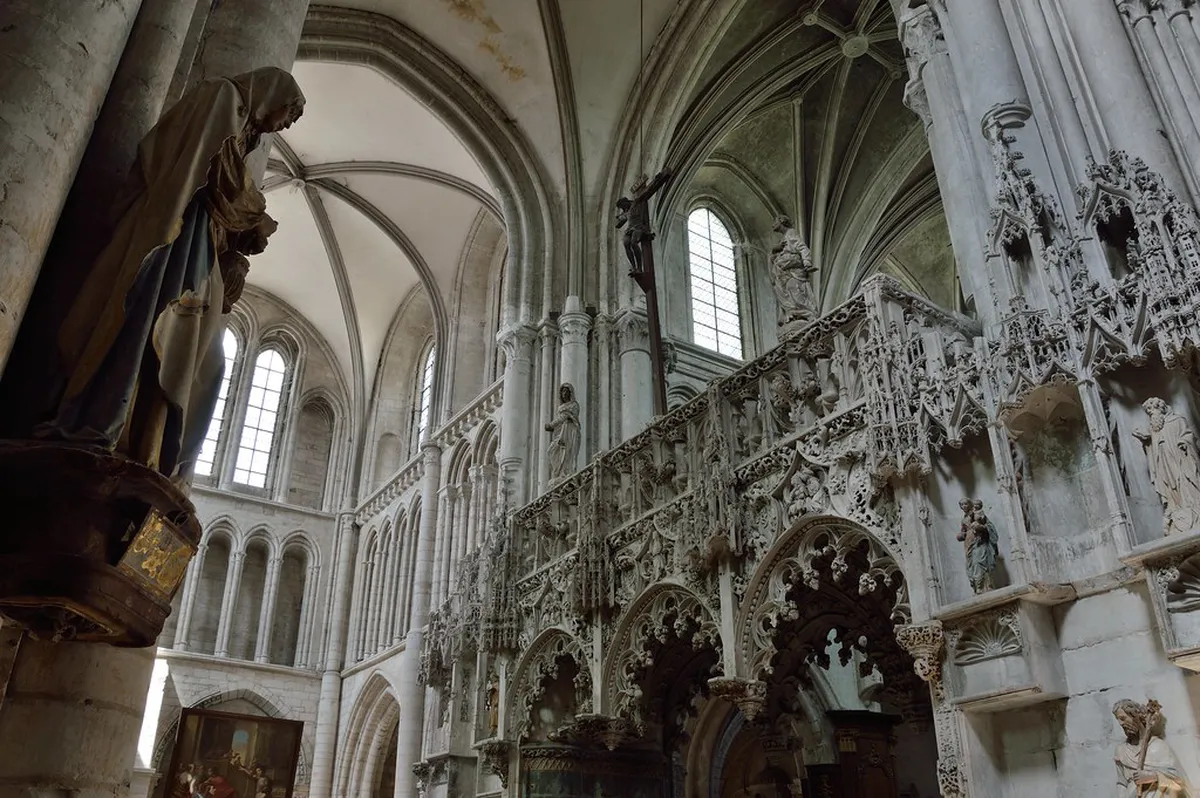
The Sainte-Madeleine church pipe organ and nave showcase incredible spatial harmony within the historic city center of Besançon. The central aisle stretches very long and wide under high stone vaulted ceilings for visitors to admire today. Ionic columns support the heavy stone roof with elegant grace while framing the view of the main altar. Large windows pour natural light into the building to illuminate the pale stone of the interior walls beautifully.
The proportions follow strict classical rules typical of the Enlightenment era to create a sense of immense calm. This mathematical approach to design ensures that the space feels balanced and welcoming to everyone who enters the doors. You will notice the intricate details on the capitals of each pillar which show the skill of 1700s masons. The floor consists of durable stone tiles that have been worn smooth by millions of footsteps over the years.
The nave serves as the spiritual heart of the building where the community gathers for important religious ceremonies. Its height creates an airy atmosphere that draws the eyes of the observer upward toward the decorative ceiling vaults. Acoustic properties in this space were carefully considered to ensure that spoken words could reach the very back rows. This design makes the church an ideal venue for both traditional religious services and modern classical music performances.
Side aisles provide a path for quiet reflection and access to several smaller chapels located along the outer walls. These smaller spaces offer a more intimate setting for prayer away from the grandeur of the main central nave. The transition between the massive central space and the smaller chapels shows the versatility of Nicole's architectural vision. Every element of the nave contributes to a feeling of timelessness and architectural excellence that defines the city.
The Callinet Pipe Organ Heritage
The pipe organ is a true masterpiece of nineteenth-century engineering and artistic design located high above the entrance. Prosper-Antoine Callinet built this magnificent instrument in 1850 using traditional methods and the highest quality local materials available. It features forty-one stops and three manual keyboards that allow musicians to create a wide variety of sounds. The wooden casing displays exquisite carvings that perfectly match the decorative motifs found throughout the rest of the church.
Musicians and historians consider this organ one of the finest examples of romantic organ building in eastern France today. It produces a rich and powerful sound that can fill the massive nave with beautiful and complex musical layers. The instrument underwent significant restoration work over the years to maintain its original mechanical integrity and tonal quality. Hearing the organ during a live performance is an unforgettable experience for any music lover visiting the city.
The organ gallery is supported by strong stone arches that blend seamlessly with the overall design of the nave. This elevated position allows the sound to project clearly without being muffled by the architectural elements of the floor. You can see the large pipes gleaming in the light when you look back toward the main church entrance. The presence of such a high-quality instrument highlights the cultural importance of music within the history of Besançon.
Local organists often perform recitals that showcase the full range of this historic Callinet masterpiece for the general public. These concerts attract visitors from across Europe who want to experience the authentic sound of a mid-nineteenth-century organ. The instrument is carefully tuned and maintained to ensure that it remains in perfect playing condition for future generations. It stands as a symbol of the intersection between mechanical innovation and artistic expression in the church.
Artworks and Interior Decorations
The nave is flanked by several beautiful side chapels that contain a wealth of religious art and historical treasures. Each chapel honors a different saint or historical figure who played a significant role in the local church community. You will find impressive eighteenth-century paintings hanging on the walls that depict important scenes from the Christian tradition. Many of these artworks specifically focus on the life of Mary Magdalene who is the patron of the church.
The main altar area features detailed marble work and gold leaf accents that catch the light during the morning. Sculptures from local artists decorate the many niches located between the heavy stone pillars of the central nave area. Take a moment to observe the stained glass windows that cast colorful patterns across the stone floor during midday. These artistic elements work together to create a cohesive and visually stimulating environment for all types of visitors.
A notable collection of religious relics is housed within the sacristy and displayed during special holidays throughout the year. The woodwork in the choir stalls is also of exceptional quality and features detailed carvings of biblical scenes. Every piece of art was chosen to inspire the faithful and reflect the glory of the local diocese. You can spend hours identifying the different symbols and hidden details carved into the various wooden and stone surfaces.
The church acts as a living museum of religious art that covers several centuries of French cultural and artistic history. Modern lighting systems have been installed to highlight the most important paintings and sculptures without damaging the delicate materials. This allows visitors to appreciate the fine brushwork and intricate textures of the historical pieces even on cloudy days. The combination of grand architecture and fine art makes the interior a true feast for the senses.
Practical Guide for Your 2025 Visit
Visiting the Sainte-Madeleine church is quite easy for most travelers staying in the city of Besançon during 2025. The church is located at Place de la Madeleine which is just a short walk from the river Doubs. Most visitors spend about forty-five to sixty minutes exploring the interior and the various side chapels in detail. There is currently no entrance fee required to enter the main nave and admire the beautiful pipe organ.
You should check the official local schedule for organ recitals if you wish to hear the Callinet instrument play. The church is typically open to the public daily from 9:00 AM until 6:00 PM throughout the entire year. Please remember to remain quiet and respectful during active prayer times or when formal religious services are occurring. Taking photographs is generally allowed but you should avoid using a flash to protect the old and delicate paintings.
The surrounding Battant neighborhood offers many small cafes where you can relax after your visit to the historic church. It is an excellent area to explore on foot because many of the streets are reserved for pedestrian traffic. You can combine a visit here with a trip to the nearby river or the local botanical gardens. Accessibility is good for most people but the old stone floors can be slightly uneven in certain small sections.
Public transportation in Besançon is very efficient and several tram lines stop within a short distance of the church. If you are driving a car you will find several underground parking garages located within a ten-minute walk. Guided tours are sometimes available during the peak summer months for those who want deeper historical and architectural insights. Always check the local tourism office website for the most up-to-date information regarding special events and closures.
Frequently Asked Questions
Is the Sainte-Madeleine church pipe organ still in use today?
Yes, the Callinet pipe organ is fully functional and used for weekly services and special concerts in 2025. You can hear its powerful sound during Sunday morning mass or scheduled musical recitals throughout the year. Local organists take great pride in maintaining this historic nineteenth-century instrument for the entire community to enjoy.
Who was the architect of the Sainte-Madeleine church in Besançon?
The church was designed by the famous French architect Nicolas Nicole during the middle of the eighteenth century. He was a local expert who contributed greatly to the development of classical architecture throughout the Franche-Comté region. His design for the nave is considered one of his most successful and enduring architectural achievements.
Can I visit the church for free in 2025?
Entry to the Sainte-Madeleine church is free for all visitors who wish to see the architecture and art. There are no tickets required to explore the nave or view the historic pipe organ during normal hours. Donations are always welcome to help with the ongoing preservation and maintenance of this beautiful historical monument.
The Sainte-Madeleine church pipe organ and nave offer a unique look into the artistic soul of Besançon and France. This site combines grand classical architecture with nineteenth-century musical engineering to create a truly memorable experience for all. Whether you are a history buff or a music lover you will find something to admire here. We hope this guide helps you plan an inspiring visit to see the beautiful architecture in Besançon very soon.
Key Takeaways
- Experience the 1850 Callinet pipe organ during a live recital for the best acoustic experience.
- Admire the Enlightenment-era design created by the local architect Nicolas Nicole in the 1700s.
- Explore the historic Battant district on foot to see the church towers from different city perspectives.
- The church is free to enter and offers a peaceful atmosphere for studying religious art and history.
Related reads: architecturebycity.com, besancon cathedral astronomical clock design, moorish revival synagogue of besancon.