
Discover Jacques-Gabriel Bridge and Loire Architecture
Learn about the Jacques-Gabriel Bridge and Loire architecture in Blois. Discover history, 18th-century design, and travel tips for your 2025 visit to France today.
On this page
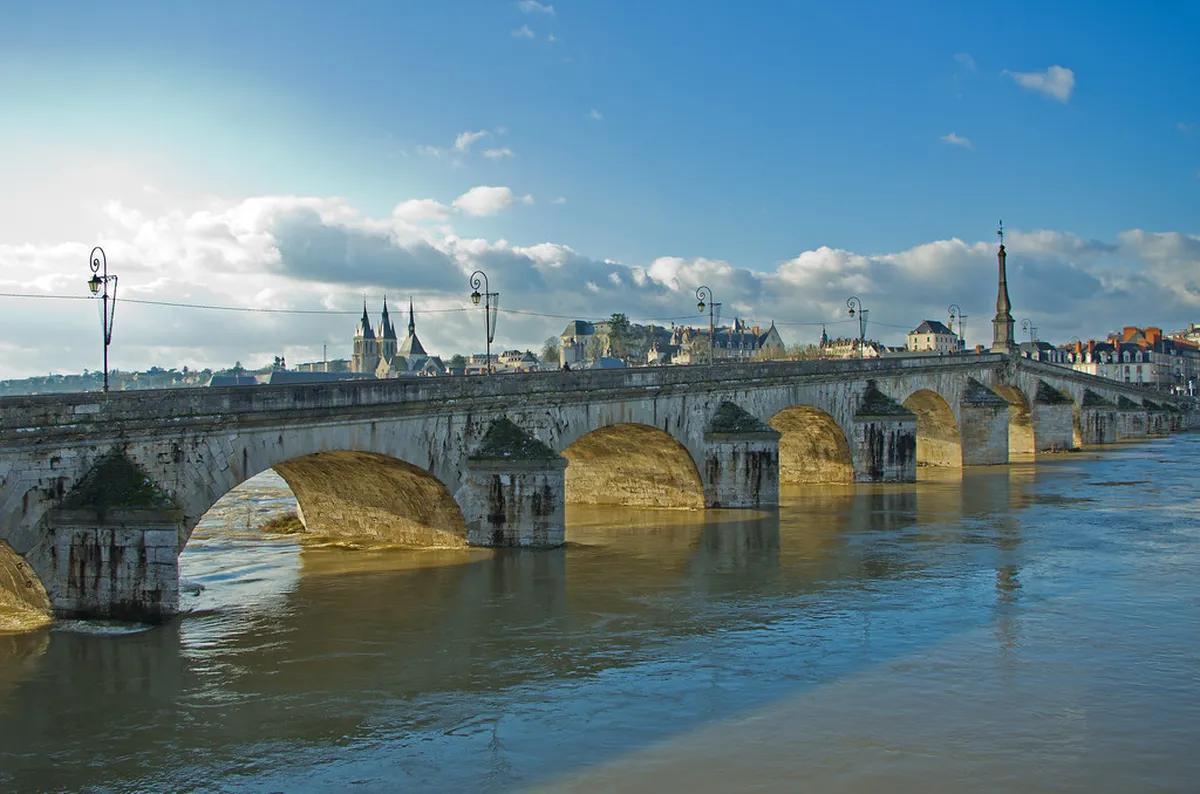
The Jacques-Gabriel Bridge and Loire architecture define the iconic skyline of the historic city Blois. This beautiful stone structure crosses the river with great grace and remarkable structural elegance. It serves as a powerful symbol of French engineering prowess and artistic vision today. Many travelers visit Blois to see this historic masterpiece during their French vacations.
Blois offers a unique glimpse into the 18th-century urban design of the Loire Valley. The bridge connects the two banks of the historic city with eleven stone arches. You can see how the river shaped the local buildings throughout the passing centuries. Start your journey into architecture in Blois by crossing this famous river landmark.
History of the Jacques-Gabriel Bridge
King Louis XIV commissioned the construction of this impressive stone bridge during the year 1716. The famous architect Jacques Gabriel designed the entire structure to ensure its long-term strength. It replaced an older medieval bridge which was lost to heavy ice and winter floods. Construction finally finished in 1724 after many years of extremely hard labor and dedication.
The bridge features eleven grand arches of varying sizes and impressive stone widths. A central stone pyramid stands tall above the flowing water line of the river. This clever design helped the bridge survive many heavy floods over the last centuries. It remains the last peaked stone bridge on the Loire river in all of France.
During the Second World War, parts of the bridge were destroyed by retreating forces. Local workers carefully restored the arches to their original state after the war ended. You can still see the blend of old and new stones in the structure today. This historic site tells a story of great resilience and French craftsmanship through time.
Features of Loire Architecture in Blois
The Loire architecture style emphasizes perfect harmony with the natural river environment of France. Builders used white tuffeau stone for most significant structures throughout the entire Blois region. This soft limestone allows for intricate carvings and fine details on many local buildings. It glows beautifully under the golden French sun during the late afternoon hours.
Many buildings along the quay reflect 18th-century classical influences and strict urban rules. These historic structures maintain a consistent height and traditional roof style across the city. You will notice steep slate roofs and many small dormer windows on every street. These features are very typical of the central Loire Valley and its architectural history.
Exploring the loire river quay development history reveals much about the growth of Blois. The city expanded rapidly as trade on the river flourished during the eighteenth century. Wealthy merchants built grand houses overlooking the water to show their high social status. These luxury homes show the incredible wealth of the past eras in this region.
Stone balconies and wrought iron railings decorate the facades of these impressive urban houses. Large windows allowed natural light to fill the spacious interior rooms for the residents. Architects designed these spaces for both function and beauty during the French Enlightenment era. Every small street near the bridge offers a new discovery for the curious traveler.
Engineering the Jacques-Gabriel Bridge
Building the Jacques-Gabriel Bridge required advanced knowledge of hydraulics and river flow patterns. Engineers had to manage the powerful currents of the Loire river during the construction. They used deep wooden piles to secure the heavy stone foundations in the riverbed. This method ensured perfect stability for the massive stone arches over the long term.
The central pyramid serves both aesthetic and structural purposes for the entire bridge span. It acts as a heavy weight to stabilize the middle section of the bridge. You can find several best architectural viewpoints in Blois to see this feature. The mathematical symmetry creates a sense of perfect balance and classical order for viewers.
Each stone arch was crafted with great precision to handle very heavy travel loads. The stones were cut specifically to fit the curved designs of the master architect. Local quarries provided the durable materials needed for such a massive stone construction project. The bridge has stood for over three centuries without significant structural failure or collapse.
Pedestrians can walk across the wide sidewalks for great views of the entire city. The bridge spans nearly three hundred meters across the wide river bed in Blois. It connects the historic center with the Vienne district on the other side today. Traffic still flows across this vital urban link for the people of Blois daily.
Best Architecture Photography Spots in Blois
Photographers flock to the river banks during the blue hour to capture the lights. The bridge lights reflect perfectly on the calm water surface during the quiet nights. You should visit the architecture photography spots in Blois for the best creative inspiration. The morning light provides a soft glow on the white tuffeau stone facades nearby.
Head to the south bank for a panoramic city view of the bridge span. From here, the bridge leads your eye directly to the tall Cathedral of Blois. The height of the bridge pyramid adds a strong focal point for your compositions. Capture the sharp contrast between the light stone and the deep blue French sky.
Walk along the Quai de l'Abbé-Grégoire for many different angles of the bridge arches. You can frame the stone arches with overhanging willow trees along the river bank. This quiet spot is perfect for capturing the essence of Blois in your photos. Use a wide-angle lens to include the entire bridge span and the river reflections.
Evening shots capture the bridge against a stunning purple twilight sky in the summer. The street lamps provide a warm yellow light on the aged stone surfaces tonight. This creates a romantic atmosphere for all of your travel photos in Blois France. Ensure you bring a tripod for the best results when shooting in low light.
Planning Your Visit to Blois in 2025
Visiting the historic bridge is completely free and open all day long for everyone. You can easily walk to the bridge from the main train station in Blois. Most visitors spend about thirty minutes exploring the structure and taking many beautiful photos. It is a central part of any walking tour through the historic city center.
Wear comfortable shoes as the stone paths can be quite uneven for some walkers. The bridge is very accessible for all types of travelers visiting the Loire Valley. Spring and fall offer the most comfortable walking weather for your 2025 vacation trip. Summer can be quite hot on the open bridge without any shade from trees.
Check local maps for nearby cafes with excellent river views of the stone bridge. You can enjoy a coffee while watching the river flow under the historic arches. Many local restaurants offer terraces overlooking the famous Jacques-Gabriel Bridge and river banks. It is the perfect place to rest your feet after a long walking tour.
Restoring the Jacques-Gabriel Bridge and Loire Architecture
Maintaining the Jacques-Gabriel Bridge and Loire architecture requires constant care and expert attention. The river environment can be harsh on the soft tuffeau stone over many years. Regular inspections ensure the structural integrity of each of the eleven stone arches today. Preservation teams work tirelessly to protect this monument for all future generations to enjoy.
Recent restoration projects have cleaned the stone surfaces to reveal their original white color. Skilled stonemasons use traditional techniques to repair any damage from weather or river erosion. This dedication keeps the bridge looking as grand as it did in the 1700s. You can see the results of these efforts during your 2025 visit to Blois.
The bridge is protected as a historic monument by the French government for its value. This status ensures that no modern changes can ruin the classical design of the site. Local residents take great pride in this iconic symbol of their city and its history. It serves as a model for successful heritage preservation in the modern world today.
Frequently Asked Questions
Who built the Jacques-Gabriel Bridge?
The bridge was built by the famous royal architect Jacques Gabriel in the eighteenth century. He was a leading figure in French architecture during the reign of King Louis XIV. The project remains one of his most significant works in the entire Loire Valley.
What material is used in Loire architecture?
The bridge is primarily constructed from local tuffeau limestone found in the Loire region. This material is known for its light color and ease of carving for builders. It provides the classic look seen in most Loire architecture throughout the historic city.
Is the bridge open to vehicle traffic?
Yes, the bridge carries vehicle traffic between the two main districts of Blois today. It also features wide sidewalks for pedestrians to enjoy safe and easy river crossings. The structure remains a vital part of the local transportation network in the city.
How long is the Jacques-Gabriel Bridge?
The bridge spans approximately 283 meters across the wide bed of the Loire river. It consists of eleven stone arches that vary in width across the entire span. This length makes it a prominent feature of the urban landscape in Blois France.
The Jacques-Gabriel Bridge and Loire architecture represent the heart and soul of Blois city. This landmark offers a window into the rich history of French engineering and design. Make sure to include this bridge on your next trip to the Loire Valley. Plan your visit to see the visiting architectural sites in Blois for an unforgettable experience.
Key Takeaways
- The bridge was completed in 1724 by the architect Jacques Gabriel.
- Traditional white tuffeau limestone is the primary material used in construction.
- The bridge is the last remaining peaked stone bridge on the Loire.
- It connects the historic center of Blois with the Vienne district.
- Best views and photography opportunities occur during the blue hour at sunset.
Related reads: architecturebycity.com.