
Vaulted Ceilings by Mansart in Blois: A Guide
Discover the stunning vaulted ceilings by Mansart in Blois. Learn about the architectural genius of François Mansart in this 2025 guide. Plan your trip now!
On this page
The Château de Blois stands as a magnificent testament to the evolution of French architectural styles over many centuries. Visitors admire the breathtaking vaulted ceilings by Mansart in Blois during their tour of the historic Loire Valley region. One of the most famous François Mansart works in Blois is found within the royal Gaston d'Orléans wing. These intricate stone structures showcase the immense talent of the famous architect during the seventeenth century.
The Genius of the Gaston d'Orléans Wing
The Gaston d'Orléans wing features some of the finest examples of classic French architecture found anywhere. Mansart intended to rebuild the entire castle but he only finished this specific wing for the prince. This structure serves as a primary example of French classicism in Blois today for all modern visitors. One of the highlights is seeing the impressive vaulted ceilings by Mansart in Blois firsthand today.
The project began in sixteen thirty-five after Gaston d'Orléans received the castle from his brother the king. Mansart brought a new vision that focused on symmetry and grand proportions for this royal residence project. Construction eventually stopped due to a lack of funds and the birth of a new royal heir. Despite being incomplete, the wing remains a masterpiece that architects from around the world still study today.
The exterior facade displays a rhythmic arrangement of pilasters and large windows that define the classical era. This orderly appearance provides a sharp contrast to the nearby flamboyant Gothic and decorative Renaissance castle wings. Mansart used high-quality white limestone which gives the building a bright and noble appearance in the sunlight. Each level of the facade follows strict mathematical rules to ensure perfect visual harmony for every viewing angle.
Walking through the grand portal leads visitors into a world of sophisticated stone carving and structural innovation. The interior spaces were designed to host the most prestigious members of the French royal court members. Every room within this wing reflects the ambition of a prince who wished to rival the king. The transition from the courtyard to the interior reveals the true scale of Mansart's grand architectural vision.
Architectural Mastery of the Grand Staircase
The grand staircase remains the centerpiece of the incredible Gaston d'Orléans wing design at the castle. It features a stunning triple-domed ceiling that demonstrates Mansart’s exceptional engineering and historical stone artistry skills. Details of this unfinished wing of the Blois castle highlight why this remains the premier architectural site in France. Visitors often pause to admire the seamless transitions between the different stone vault layers above their heads.
The staircase uses a double flight of stairs that meet at a central landing on each floor. This layout allows for efficient movement while creating a sense of drama and importance for the guests. Mansart placed large windows around the staircase to flood the stone surfaces with natural morning and afternoon light. The play of light on the white stone emphasizes the deep carvings and the smooth curved surfaces.
The upper vault of the staircase is particularly famous for its use of coffered stone decoration patterns. Each square panel is carved with intricate floral motifs that add texture without overwhelming the structural lines. This decoration follows the classical tradition but incorporates a sense of depth that was quite revolutionary then. Looking upward provides a dizzying perspective that makes the heavy stone appear almost as light as a cloud.
Mansart designed the staircase to be the symbolic heart of the wing for the royal family's use. It connects the public reception rooms on the lower floors with the private apartments located above them. The acoustics within the staircase hall are also noteworthy for their clarity and resonance during busy tours. Every step taken on these wide stone stairs feels like a journey back into the seventeenth century.
Structural Innovation in Vaulted Ceilings by Mansart in Blois
Mansart used advanced stereotomy to create the complex vaulted ceilings by Mansart in Blois for the wing. Stereotomy involves the precise art of cutting stones into specific shapes for complex arches and heavy vaults. This technique allowed him to build large spans without relying on heavy external supports or thick walls. The results are elegant stone canopies that seem to float high above the visitors in the wing.
The precision required for these stone cuts was unprecedented in French architecture during the middle seventeenth century. Each stone had to be carved to within a few millimeters to ensure the stability of the vault. Mansart worked closely with master stonemasons who understood the properties of the local tuffeau limestone quite well. This collaboration resulted in a structure that has stood for centuries without showing signs of structural failure.
The innovative use of nested domes within the staircase vaulting is a unique feature of this project. These domes distribute the weight of the roof across the walls in a highly efficient and safe manner. By reducing the thickness of the stone, Mansart achieved a lightness that was previously thought to be impossible. This mastery of physics and aesthetics solidified his reputation as the leading architect of the French nation.
Modern engineers still visit Blois to analyze how these vaults support such massive weight with minimal materials used. The mathematical principles applied here paved the way for future developments in large scale stone construction projects. Studying these ceilings reveals the hidden complexity behind what appears to be a simple and elegant design. It is a perfect blend of scientific logic and artistic expression that defines the classical French style.
The Beauty of Vaulted Ceilings by Mansart in Blois
While primarily classical, the vaulted ceilings by Mansart in Blois also display subtle influences from the Baroque period. The use of deep recessed panels and dramatic lighting creates a sense of movement within the rigid stone. This combination allows the wing to feel grand and imposing yet surprisingly dynamic and full of life. It reflects the changing tastes of the French nobility who desired both order and theatrical flair everywhere.
The symmetry found in the vaulting patterns mirrors the overall layout of the entire Gaston d'Orléans wing. Every decorative element on the left side is perfectly balanced by a corresponding element on the right. This visual balance creates a feeling of calm and stability for everyone who enters the grand space. Mansart believed that architectural order could influence the mood and behavior of the people inside the building.
The François Mansart works in Blois often feature this specific tension between strict rules and creative freedom. He followed the ancient Roman principles of architecture while adding his own unique French personality to them. The result is a style that feels timeless and universal rather than being tied to one era. This approach influenced generations of architects who sought to create buildings with lasting beauty and structural integrity.
Comparing these ceilings to those in other wings of the castle highlights the dramatic shift in architectural thought. The medieval and Renaissance sections focus on ornate surface decoration and varied shapes without a central plan. In contrast, Mansart’s work emphasizes the beauty of the structure itself through clean lines and mathematical logic. This clarity of purpose makes his vaulted ceilings stand out as the pinnacle of French design history.
Visiting the Gaston d'Orléans Wing in 2025
Travelers visiting Blois in 2025 should dedicate at least two hours to exploring this specific castle wing. Tickets for the Château de Blois currently cost around fourteen Euros for most adult visitors during the season. The castle is open daily from nine in the morning until six in the evening for public tours. You can find the Gaston d'Orléans wing located on the western side of the main courtyard.
Guided tours are available in multiple languages to help you understand the history of the vaulted ceilings better. These tours provide deep insights into the life of Gaston d'Orléans and his relationship with his architect. You can also use an interactive tablet to see digital reconstructions of the unfinished parts of the wing. These modern tools make the seventeenth-century history feel accessible and exciting for visitors of all different ages.
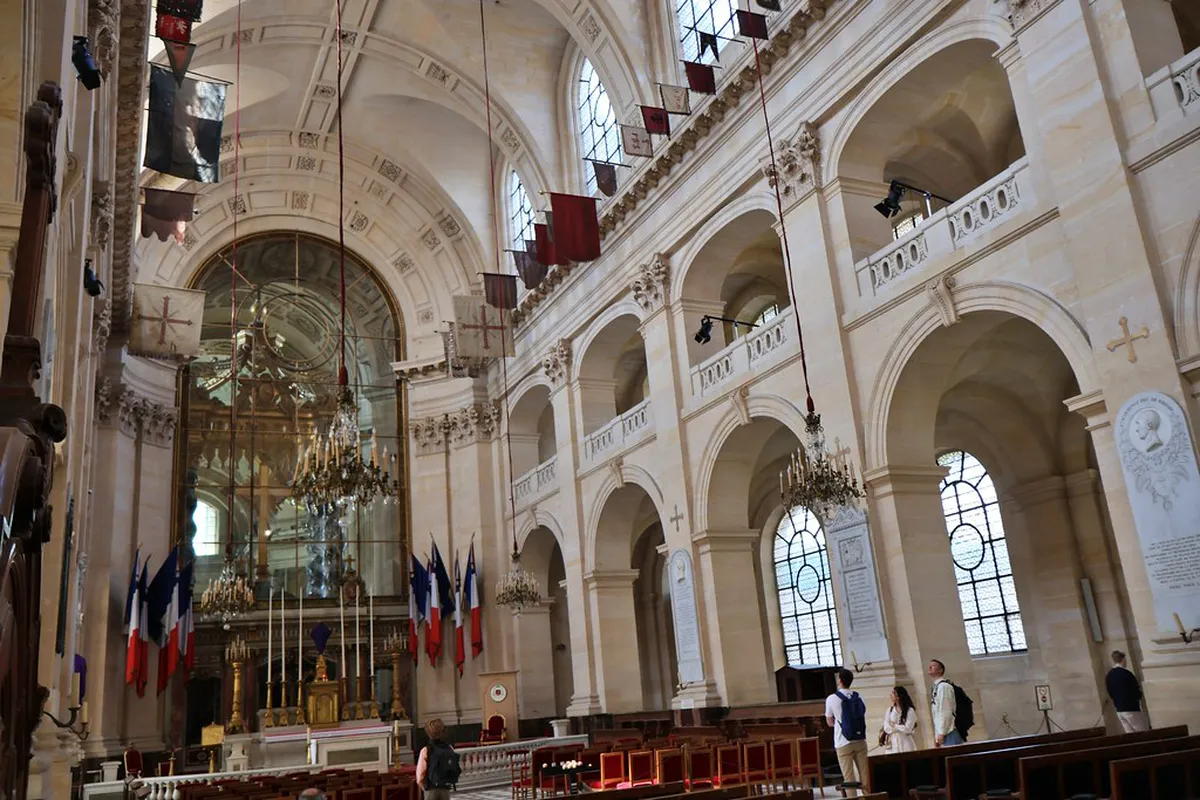
The best time to photograph the vaulted ceilings is during the early morning when the light is soft. The sunlight streams through the high windows and highlights the delicate textures of the carved white limestone surfaces. Photography enthusiasts will love capturing the stunning vaulted ceilings by Mansart in Blois from many different angles. The perspective changes with every step you take, revealing new details of Mansart's incredible stone vaulting work.
The town of Blois itself offers many other architectural treasures that complement a visit to the royal castle. After exploring the wing, you can walk through the historic streets to see medieval houses and grand mansions. The combination of royal history and local charm makes Blois a perfect destination for any architecture lover. Make sure to check the official website for any special exhibitions or closures before you start your journey.
Frequently Asked Questions
Who designed the vaulted ceilings in the Blois Castle?
The famous architect François Mansart designed the incredible vaulted ceilings in the Gaston d'Orléans wing of the castle. He worked on this major project during the mid sixteen thirties for the younger brother of the king. His work is considered a masterpiece of the French classical style that influenced many future building designs.
What makes Mansart’s vaulting technique unique in Blois?
Mansart utilized a specialized technique called stereotomy to carve and fit the stones with extreme mathematical precision. This allowed him to create expansive and elegant vaults that did not require thick and heavy supporting walls. The use of nested domes within the staircase vault is a particularly rare and impressive structural achievement.
Can I visit the Gaston d'Orléans wing throughout the year?
Yes, the Gaston d'Orléans wing is open to the public as part of the general castle tour. The Château de Blois remains open every day of the year except for Christmas Day and New Year’s. Visitors can explore the vaulted ceilings and the grand staircase during the regular operating hours of the site.
The vaulted ceilings by Mansart in Blois represent a high point in the history of French stone architecture. These structures combine scientific precision with a timeless aesthetic that continues to inspire visitors from all around the world. Planning a visit to this site in 2025 will provide you with a deep appreciation for classical design. Take the time to explore every detail of this magnificent stone masterpiece during your next trip to France.
Key Takeaways
- Mansart's wing showcases the peak of French classicism in the Loire Valley.
- The triple-domed staircase vault is a masterpiece of 17th-century stone stereotomy.
- Visitors can explore these architectural wonders daily at the Château de Blois.
Related reads: architecturebycity.com, architecture in blois, chateau de blois architectural styles.