
Cité du Vin Building Design: A Bordeaux Icon
Discover the Cité du Vin building design in Bordeaux. Explore this 2025 architectural marvel and plan your visit with our expert travel guide.
On this page
Bordeaux is famously known across the entire world for its rich history and exceptional production of fine wine. The bold Cité du Vin building design perfectly represents this prestigious legacy for modern travelers visiting the region. This shimmering structure stands proudly within the vibrant Bacalan district along the scenic banks of the Garonne River. It serves as a true masterpiece of architecture in Bordeaux for all travelers exploring the city in 2025.
Visitors from every corner of the globe come to witness the unique silhouette of this modern cultural landmark. The building serves as an immersive museum that celebrates the global heritage of wine through various interactive exhibits. You will find that the architecture itself is as much of an attraction as the informative displays inside. The flowing lines and reflective surfaces create a sense of wonder even before you step through the doors.
Choosing the right time to visit will ensure you get the most out of your architectural exploration experience. The museum offers something special in every season, but the golden light of autumn is particularly beautiful here. You can spend an entire afternoon wandering through the galleries and learning about the science of wine production. It is a must-see destination for anyone interested in the intersection of culture and modern architectural design today.
This guide provides all the essential details you need to plan a successful visit to this iconic site. We will cover the design philosophy, the materials used in construction, and the practicalities of visiting in 2025. You will also discover the best ways to enjoy the panoramic views offered from the top of the tower. Prepare to be inspired by one of the most innovative buildings in the entire country of France today.
The Vision Behind the Curve
The XTU Architects firm designed this landmark to evoke the fluid movement of wine within a glass. This iconic structure captures the very essence of the soul of the Bordeaux region and its heritage. The building design reflects the swirling motions of a wine tasting experience through its bold and curved form. Visitors often notice how the shape mimics the gnarled knots of ancient vines found in local vineyards.
The architects avoided sharp angles to create a sense of continuous flow throughout the entire massive structure. This design choice helps the building sit comfortably within its industrial surroundings while standing out as a masterpiece. Many experts consider this project a defining example of contemporary architecture in Bordeaux for the modern era. The tower stands 55 meters tall and serves as a visual beacon for travelers arriving by water.
The project required years of planning to ensure the complex geometry could actually be constructed on site. Engineers used advanced software to model the curves and ensure the stability of the large exterior panels. This innovative approach allowed the team to push the boundaries of modern building techniques in western France. The final result is a structure that feels both organic and high-tech at the very same time.
Every curve in the building design serves a specific purpose for both aesthetics and structural integrity. The base of the building houses the main exhibit areas while the tower offers spectacular panoramic views. This separation of space allows for a dynamic flow of visitors through the different levels of the museum. You will feel the energy of the design as you move through the sweeping interior corridors.
The building serves as a gateway to the city for those arriving by cruise ship along the river. Its unique silhouette has become a symbol of the urban renewal taking place in the northern districts today. Local residents take great pride in how this modern structure has revitalized the old port area of Bacalan. It represents a bold step forward while respecting the deep historical roots of the entire wine region.
Shimmering Materials and External Facade
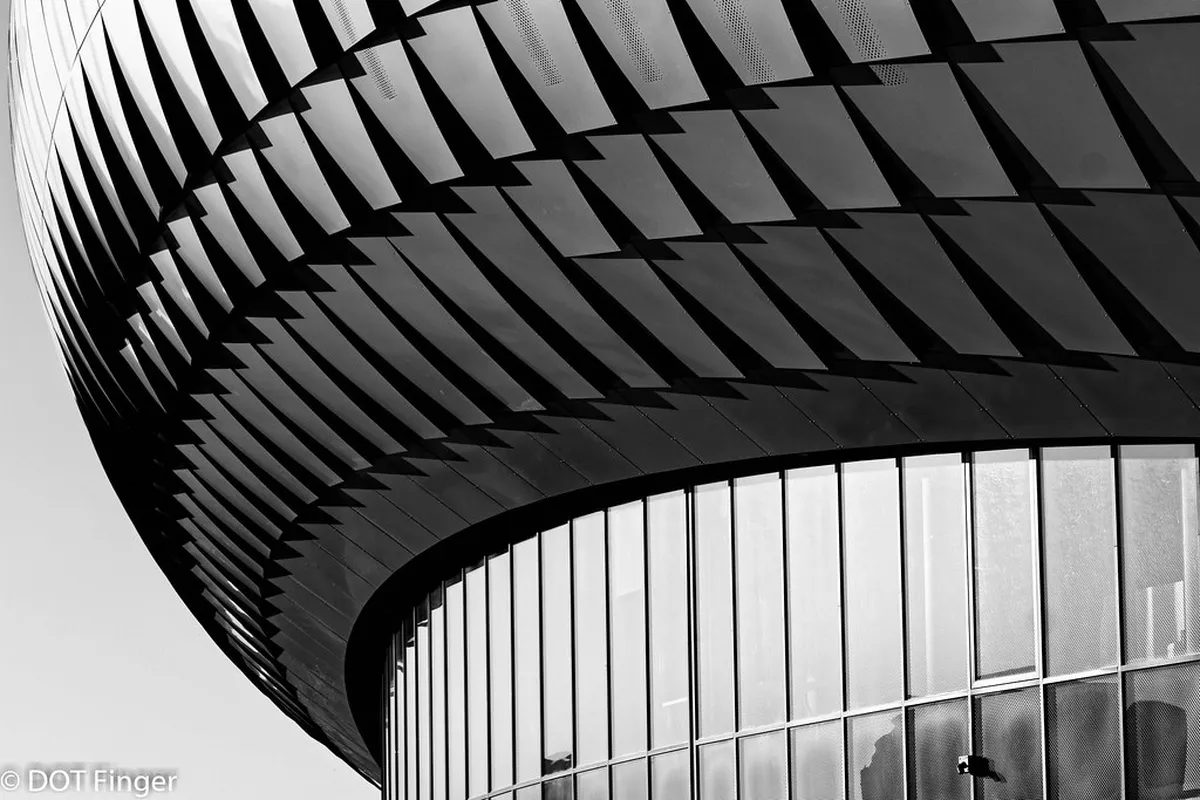
The exterior facade features nearly 2,500 individual panels made from silk-screened glass and perforated aluminum materials. These materials were chosen specifically to catch and reflect the natural light from the sky and the river. You will see different colors on the building depending on the time of day and the weather. The surface often glows with gold and silver hues that remind viewers of white wine and sun.
Each panel was carefully installed to follow the complex curves of the exterior walls without any visible gaps. This precision ensures that the building looks like a single piece of liquid metal from a long distance. The reflective quality of the glass helps the structure blend into the atmosphere of the historic port city. It creates a stunning contrast against the blue water of the Garonne River during the bright summer months.
The use of aluminum provides a durable shell that can withstand the coastal climate of the Aquitaine region. This material keeps the building looking new while requiring minimal maintenance over the many coming decades. Travelers visiting in 2025 will notice the pristine condition of the facade despite several years of exposure. The panels also help regulate the temperature inside the building by reflecting excess heat during the warm afternoons.
Architecture enthusiasts often spend hours photographing the facade from different angles to capture the unique light patterns. The interplay between the glass and metal creates a shimmering effect that changes as you walk around the site. This attention to detail makes the Cité du Vin building design one of the most photographed landmarks in France. You should bring a high-quality camera to capture the intricate details of these shimmering exterior panels.
The building looks particularly beautiful at night when the internal lights glow through the glass and metal skin. The illumination highlights the curved form and makes the structure appear to float above the dark river water. This nocturnal view is a favorite for locals who enjoy walking along the quay after the sun sets. It adds a touch of modern magic to the historical waterfront of this famous French wine capital.
Interior Layout and the Belvedere
Once you step inside the museum, you are greeted by a massive wooden structure that resembles a forest. Large laminated timber ribs sweep across the ceiling to create a warm and inviting atmosphere for all visitors. This use of wood pays homage to the traditional barrels used in the wine aging process for centuries. The interior design feels just as fluid and organic as the striking exterior of the large building.
The museum features an immersive permanent tour that guides you through the history of wine across the world. You will find interactive exhibits that engage your senses of sight, smell, and even touch during the visit. The circular layout of the galleries ensures a smooth progression through the various historical and cultural themes. This thoughtful organization makes the complex subject of viticulture easy to understand for people of all ages.
The journey through the museum culminates at the Belvedere located on the eighth floor of the tall tower. This space offers some of the best Bordeaux city views available to the general public today. You can see the historic downtown area and the modern bridges crossing the wide Garonne River from here. The 360-degree panorama provides a perfect perspective on how the city has grown over many centuries.
Your ticket price includes a tasting of world-class wines while you enjoy the views from the high Belvedere. The tasting room features a ceiling decorated with thousands of glass bottles that create a beautiful lighting effect. This final stop allows you to reflect on the architectural beauty and cultural significance of the entire museum. It is a relaxing way to end your exploration of this modern landmark in the heart of Bordeaux.
The interior spaces also include temporary exhibition rooms that host various art and history displays throughout the year. Each floor is connected by sweeping staircases and large elevators that allow for easy movement between the levels. You will find that the transitions between spaces are smooth and follow the overarching theme of fluid movement. Every corner of the interior has been designed to provide a high-quality and memorable experience for guests.
Architecture and Cité du Vin Building Design
The unique Cité du Vin building design has transformed the skyline of Bordeaux since its opening in mid-2016. This structure serves as a modern landmark that bridges the gap between traditional wine culture and contemporary urban life. You can see how the bold architectural choices reflect the innovative spirit of the entire New Aquitaine region. The building has received numerous awards for its daring design and its contribution to the local cultural landscape.
Engineers worked tirelessly to translate the organic sketches of the architects into a functional and safe public building. The structural core consists of reinforced concrete and steel to support the weight of the massive exterior panels. This hidden framework allows for the large open spaces found within the museum and the sprawling exhibition galleries. Every element of the construction was designed to handle the heavy foot traffic of millions of annual visitors.
The flow of light through the building was another critical aspect of the initial architectural and design phase. Large windows and skylights are strategically placed to illuminate the interior spaces with soft and natural daytime light. This reduces the need for artificial lighting and creates a more pleasant environment for guests exploring the exhibits. You will notice how the atmosphere changes as you move from the dark galleries into the bright tower.
The Cité du Vin building design also includes a large outdoor garden and a riverside promenade for public use. These spaces provide a transition between the dense urban environment and the fluid forms of the museum building. You can relax on the benches and enjoy the view of the shimmering facade from the water's edge. The integration of public space makes the landmark a valuable asset for the local community and tourists.
Visiting this site offers a deep appreciation for how modern design can celebrate and enhance local historical traditions. The building is not just a museum but a living monument to the global culture and history of wine. You will leave with a better understanding of how architecture can shape our perception of a famous region. It remains one of the most significant architectural achievements in France during the early twenty-first century.
Sustainable Features of the Museum
Sustainability played a central role in the development of the Cité du Vin building design from the start. The architects used passive energy techniques to reduce the overall environmental footprint of the massive cultural center. Large openings in the facade allow for natural ventilation and reduce the need for mechanical cooling systems. This approach ensures the building remains comfortable for guests while consuming significantly less energy than traditional structures.
The heavy concrete base of the building provides thermal inertia to help regulate the temperature throughout the year. During the winter, the structure retains heat to keep the galleries warm for the many daily visitors. In the summer, the design protects the interior from the harsh sun to maintain a cool and pleasant climate. These smart engineering choices demonstrate how modern landmarks can be both beautiful and environmentally responsible in 2025.
Rainwater is collected from the large roof and used for various maintenance tasks around the museum grounds. This system helps conserve local water resources and reduces the demand on the municipal supply in Bordeaux. The surrounding landscape features native plants that require very little irrigation to thrive in the regional climate. These small details contribute to the overall goal of creating a truly sustainable destination for international travelers.
The museum also promotes eco-friendly practices through its educational programs and partnerships with green wine producers. You will learn how the wine industry is adapting to climate change during your tour of the exhibits. This commitment to the environment reflects the values of the modern city and the wider Aquitaine region. It makes the Cité du Vin a model for future architectural projects across the country of France.
Every aspect of the building operations has been optimized to ensure the highest standards of energy and resource efficiency. From LED lighting to advanced waste management, the facility is a leader in green museum management today. You can feel good about visiting a landmark that takes its responsibility to the planet very seriously. This focus on sustainability ensures that the building will remain a positive legacy for many future generations.
Frequently Asked Questions
Who designed the Cité du Vin building in Bordeaux?
The famous XTU Architects firm designed the building with Anouk Legendre and Nicolas Desmazières leading the project. They worked closely with local engineers to bring the complex and swirling vision to life in 2016. The design has since won several international awards for its innovative use of materials and organic form.
What is the meaning behind the building's unique shape?
The shape represents the soul of wine and the fluid movement of liquid swirling inside a glass. It also mimics the gnarled appearance of vine stocks that grow in the famous vineyards of Bordeaux. This combination of metaphors creates a structure that is both contemporary and deeply connected to local tradition.
How much does it cost to visit the museum in 2025?
An adult ticket for the permanent exhibition and the Belvedere tasting costs 22 Euros during the 2025 season. You can often find discounted rates for students, children, and large groups when booking on their website. It is best to purchase your tickets in advance to ensure your preferred entry time.
What are the opening hours for the Cité du Vin?
The museum is generally open daily from 10:00 AM to 6:00 PM during the quieter winter months. In the peak summer season, the closing time is often extended to 7:00 PM for all visitors. We suggest checking their official website for any holiday closures or special evening events before you visit.
The Cité du Vin building design remains a shining example of how architecture can celebrate local culture and history. You should definitely include this landmark on your travel itinerary for your next trip to the city of Bordeaux. Plan your visit today to experience the stunning beauty and educational exhibits found within this world-class wine museum. Don't forget to enjoy the beautiful sunset from the Belvedere while sipping on a glass of regional wine.
Key Takeaways
- Experience the fluid curves designed by XTU Architects.
- Enjoy panoramic views from the eighth-floor Belvedere.
- Learn about global wine history through immersive exhibits.
- Book tickets online to save time during your visit.
Related reads: architecturebycity.com, meca bordeaux architecture, herzog de meuron matmut atlantique stadium.