
Mériadeck District Brutalism: A Bordeaux Guide
Explore Mériadeck district brutalism in Bordeaux. Learn about iconic architecture, history, and travel tips for your 2025 visit. Explore the city now!
On this page
The Mériadeck district brutalism offers a striking contrast to the historic charm of Bordeaux. Visitors often expect only 18th-century limestone when they arrive in this famous French city. However, this neighborhood showcases a bold and modern side of urban design. It represents a significant shift in architectural thinking from the mid-20th century. You will find massive concrete structures that dominate the local skyline today.
This guide explores why the Mériadeck district brutalism is a must-see for every modern architecture lover. We will look at the history, the key buildings, and the unique layout of the area. The district serves as the administrative core for the entire Gironde region. It remains one of the largest examples of brutalist planning in all of France. Planning your 2025 trip to this unique area will provide deep cultural insights.
The neighborhood was born from a desire to modernize the city during the 1960s and 1970s. Architects wanted to solve traffic problems and create efficient working spaces for the public. They used raw concrete and geometric shapes to define the new landscape. These designs were meant to be functional and impressive at the same time. You can still feel the ambition of those original creators as you walk around.
The History of Mériadeck Urban Planning
The story of Mériadeck begins with a major urban renewal project in the early 1960s. Before this time, the area was a densely packed neighborhood with many old buildings. City officials decided to clear the site to make room for modern government offices. They hired visionary architects to design a completely new district from the ground up. This massive change transformed the local landscape into a showcase for modern design.
The project followed the principles of the history of Mériadeck urban planning which prioritized efficiency. Leaders wanted to move the city's administrative functions into one central and accessible location. This decision led to the creation of several massive concrete towers and government halls. Construction continued through the 1970s and 1980s to finish the primary vision. It remains a powerful symbol of French modernization efforts during that era.
Early residents had mixed feelings about the loss of the old medieval street patterns. However, the new district provided better services and much more space for growing businesses. Architects focused on using raw materials to express the strength of the local institutions. The result was a landscape filled with sharp angles and heavy structural elements. You can see these historical layers as you explore the different sectors today.
In 2025, the area continues to evolve while keeping its core brutalist identity intact. Many of the original buildings are now recognized as important cultural heritage sites. Preservation efforts ensure that the unique concrete facades remain in good condition for future generations. Walking through the district feels like visiting an open-air museum of 20th-century history. It is a vital part of the story of Bordeaux's growth.
Iconic Brutalist Landmarks in Mériadeck
One of the most impressive sites is the Cité Administrative tower complex. These buildings rise high above the city and feature repetitive window patterns in grey concrete. They house many government offices and define the skyline of the district for miles. The scale of these structures shows the confidence of the architects in that period. You should take a moment to admire the sheer size of the concrete columns.
Another essential stop is the Hotel de Ville Mériadeck facade near the central park area. This building displays a fascinating mix of glass and heavy concrete slabs in a geometric style. It serves as a modern extension of the city's main administrative headquarters. The design creates a unique visual rhythm that is typical of the Mériadeck district brutalism. Many photographers come here to capture the play of light on the rough surfaces.
The Hotel de Région is another masterpiece of the brutalist style in this neighborhood. It features a bold design with layers of concrete that seem to float over the ground. Large glass panels allow natural light to fill the internal workspaces during the day. This building demonstrates how architects balanced heavy materials with the need for bright interiors. It is a great example of the high-quality construction found in the area.
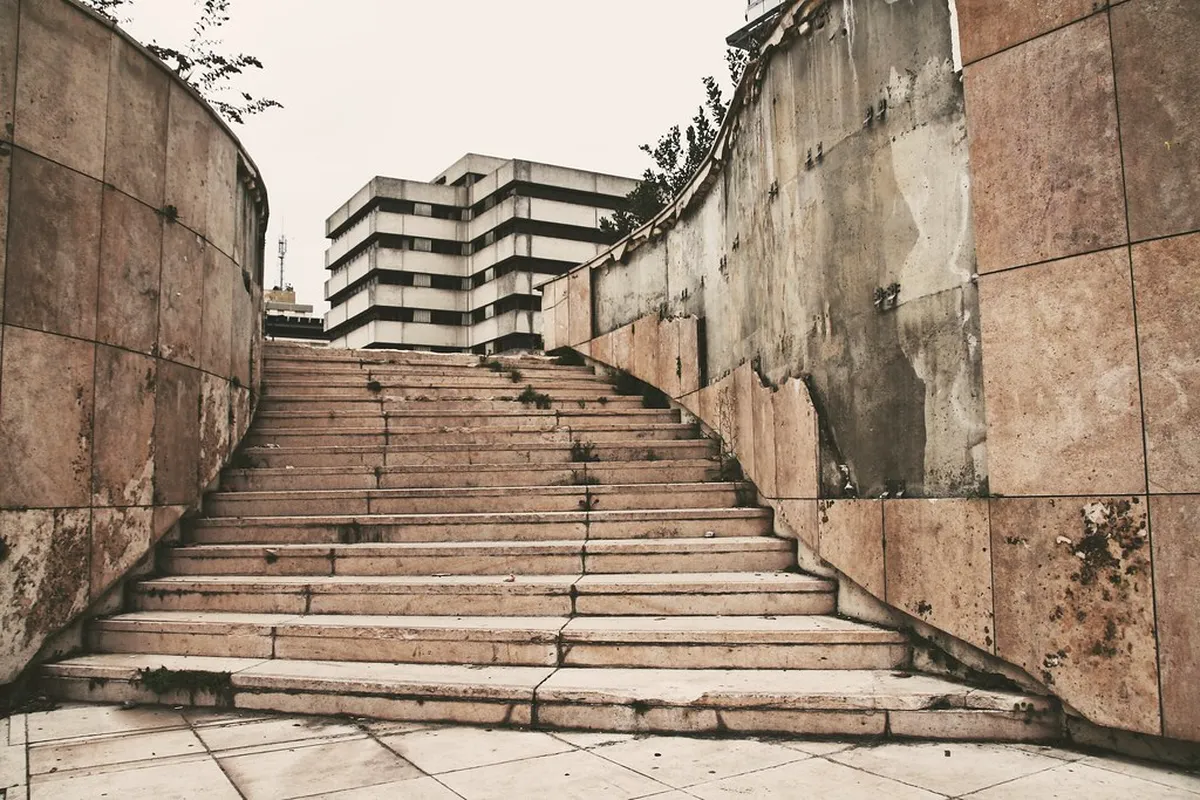
Do not miss the central shopping mall which sits at the heart of the district. It blends functional commercial space with the surrounding brutalist aesthetic quite seamlessly. The mall provides a hub for local workers and residents to gather and shop. It features large open plazas and wide concrete staircases that connect different levels. The interior has been updated, but the external brutalist shell remains very visible.
The Design Concept of the Elevated Deck
A key feature of Mériadeck is the use of an elevated pedestrian deck system. This design concept was very popular in urban planning during the 1970s across Europe. It separates walking paths from the busy car traffic on the lower street levels. This separation creates a quieter and safer environment for people moving through the district. You can walk across the entire area without ever crossing a traditional road.
You can learn more about this by taking a Bordeaux modernist walking tour to see the layout. The deck allows for large public squares and green spaces to exist above the garages. This creates a multi-layered city experience that feels very different from the historic center. Looking down from the walkways gives you a unique perspective on the city's infrastructure. It is a clever way to manage space in a crowded urban environment.
The concrete walkways are often lined with trees and benches for people to enjoy. These spaces offer a peaceful escape from the noise of the main city boulevards. Maintenance crews work hard to keep these areas clean and accessible for all visitors. In 2025, new lighting has been added to make the paths safer at night. The deck system remains a functional part of the district's daily operations.
However, navigating the different levels can sometimes be a bit confusing for first-time visitors. You should look for the color-coded signs that point toward the main landmarks. There are many ramps and elevators available to help people with limited mobility. The design encourages exploration and offers many hidden corners to discover. Take your time to find the best viewpoints from the upper deck levels.
Navigating the Mériadeck District in 2025
Getting to the Mériadeck district is very easy using the local tram system. Line A stops directly in the center of the neighborhood at several locations. You can reach the area from the main historic district in just ten minutes. Trams run frequently throughout the day and into the late evening hours. This makes it a convenient destination for a quick afternoon architectural tour.
The cost of a single tram ticket is currently 1.80 euros in 2025. You can also purchase a day pass if you plan to visit multiple areas. Many visitors choose to combine a trip here with a visit to nearby museums. The Museum of Fine Arts is located just a short walk from the district's edge. This allows you to see both classical and modern culture in one single trip.
While you are there, consider visiting the local gardens located near the administrative buildings. These green spaces provide a beautiful contrast to the grey concrete of the brutalist structures. You will find locals eating lunch on the grass during warm summer days. The gardens are free to enter and stay open until sunset every day. They offer some of the best spots for a relaxing break during your tour.
Most government buildings are not open to the public for interior tours on weekdays. However, you can appreciate the stunning exterior designs from the public walkways at any time. Some buildings offer special access during the annual European Heritage Days in September. If you visit in 2025, check the local tourism office for updated event schedules. The district is always active and full of life during business hours.
Frequently Asked Questions
Is the Mériadeck district worth visiting for tourists?
Yes, it is definitely worth a visit if you enjoy unique architecture and urban history. It provides a sharp contrast to the typical 18th-century style found elsewhere in the city. You can see a different side of the local culture and history here. It is one of the most interesting examples of architecture in Bordeaux from the modern era.
What is the best time of day to photograph the brutalist buildings?
Late afternoon is the best time to capture the textures of the raw concrete. The low sun creates long shadows that emphasize the geometric shapes of the towers. You will see the buildings glow with a unique grey light during the golden hour. Early morning is also good if you want to avoid the crowds of office workers.
Are there any guided tours available for the Mériadeck district?
Local groups often organize specialized walking tours that focus on the district's modernist history. These tours provide deep insights into the planning decisions made during the 1960s. You can find more information at the main tourism office near the opera house. Some independent guides also offer private tours for small groups interested in brutalism.
The Mériadeck district brutalism remains a fascinating and essential part of the identity of Bordeaux. It shows how the city successfully embraced modernization while preserving its historic roots nearby. You will find incredible photo opportunities and unique urban spaces throughout this concrete landscape. Visiting in 2025 allows you to see how these spaces have adapted to modern life. Be sure to check out the Bordeaux city views and viewpoints from the elevated decks for the best experience.
Key Takeaways
- Visit the Cité Administrative towers for the best examples of raw concrete design.
- Use the elevated pedestrian deck to explore the area safely away from traffic.
- Take Tram Line A for a quick and affordable ten-minute trip from the center.
- Combine your visit with the nearby Museum of Fine Arts for a full day of culture.
- Photograph the buildings during the late afternoon for the best lighting effects.
Related reads: architecturebycity.com.