
Villa Rothschild Cannes Design: A Belle Époque Icon
Discover the elegant Villa Rothschild Cannes design and its history. Explore this iconic Belle Époque landmark in 2025 with our expert guide. Plan your visit today!
On this page
Villa Rothschild stands as a premier architectural gem on the sunny French Riviera today. The exquisite Villa Rothschild Cannes design reflects the immense wealth of the late nineteenth century. This estate provides a unique window into the luxurious lifestyle of the European elite. Visitors in 2025 can still appreciate the grand scale of this historic Mediterranean property.
The villa is situated in the prestigious Quarter of Cannes, surrounded by lush landscapes. Its construction in 1881 marked a significant moment for regional architectural development and high society. This landmark serves as a primary example of the Belle Époque villas of Cannes style. Understanding its design requires looking at both the structural form and the natural surroundings.
Neoclassical Influence on Villa Rothschild Cannes Design
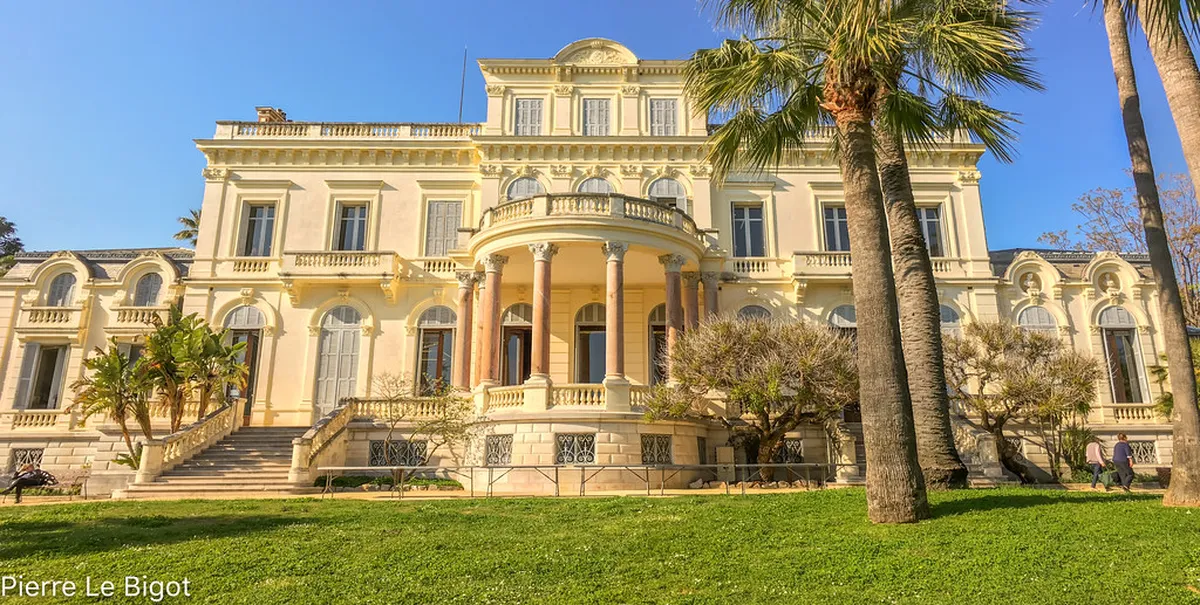
The primary structure features a symmetrical facade typical of the popular Neoclassical movement. Architect Charles Baron designed the villa to display balance, harmony, and immense structural prestige. He utilized large limestone blocks to provide the building with a sense of lasting strength. These materials were sourced from local French quarries to ensure a high level of craftsmanship.
Corinthian columns frame the main entrance, creating a grand sense of arrival for every esteemed guest. The windows are tall and narrow, allowing plenty of natural light to reach the inner halls. Traditional pediments sit above the doorway to emphasize the classical roots of the building design. This layout reflects the disciplined aesthetic preferred by the Rothschild family during that prosperous era.
The exterior details include delicate carvings and molded cornices that catch the soft morning light. These elements contrast beautifully against the solid stone walls of the main residence building. Every corner of the facade was carefully planned to project an image of timeless architectural stability. It remains one of the most photographed examples of architecture in Cannes for enthusiasts.
The Role of Mediterranean Landscape Architecture
The gardens surrounding the villa are just as important as the stone structure itself. They were designed to serve as an outdoor extension of the interior living spaces. Wide gravel paths lead visitors through a diverse collection of exotic and native plant species. These green spaces provide a tranquil escape from the bustling city streets of modern Cannes.
Cedar trees and palm groves offer shade during the hot summer months on the coast. The landscape architects used terraced levels to manage the natural slope of the estate grounds. This technique creates different viewing platforms for looking out over the blue Mediterranean Sea. Water features like fountains add a cooling element to the garden environment during the day.
Maintaining these gardens requires significant care to preserve the original 1881 vision of the estate. The botanical variety reflects the global interests of the original owners and their botanical passions. You can find rare species that were brought to France from distant tropical climates. These gardens integrate seamlessly with the overall Villa Rothschild Cannes design to create a unified masterpiece.
Interior Grandeur and Historical Preservation
Inside the villa, the design transitions from external power to internal refinement and artistic grace. Massive marble staircases connect the various levels of the home with effortless visual flow. The high ceilings are decorated with intricate plasterwork and hand-painted gold leaf accents. Every room was intended to showcase fine art and host the most exclusive social gatherings.
Today, the building houses the Mediatheque Noailles, which is the main municipal library of the city. This transformation allowed the public to access the historic interiors while preserving the original layout. Modern bookshelves sit alongside antique fireplaces and original wood paneling from the nineteenth century. This successful reuse project ensures the building remains useful for the local community in 2025.
The grand ballroom now serves as a quiet reading room for students and history researchers. Large chandeliers still hang from the ceiling, reminding visitors of the villa's past social glory. Many original fixtures have been restored to their former shine by skilled local French artisans. This careful preservation work makes visiting historic Cannes villas a truly educational and inspiring experience.
Cultural Significance in the 21st Century
Villa Rothschild continues to be a cultural anchor for the city of Cannes and its residents. It hosts various literary events, art exhibitions, and educational workshops throughout the calendar year. The combination of a public library and a historic monument creates a vibrant atmosphere. People of all ages gather here to enjoy both literature and the surrounding architectural beauty.
The villa represents a bridge between the glamorous past and the functional present of the city. It serves as a reminder of the international families who helped build the reputation of Cannes. Tourists often visit the site to study the evolution of luxury residential design in France. The estate remains a symbol of the high standards set during the Belle Époque period.
In 2025, the villa remains a top priority for local heritage protection and urban planning. Efforts to maintain the structural integrity of the stone walls are ongoing and very meticulous. These projects ensure that future generations can admire the craftsmanship of the original 1881 builders. The villa is a testament to the lasting power of thoughtful and high-quality design.
Frequently Asked Questions
What architectural style is the Villa Rothschild in Cannes?
The Villa Rothschild features a distinct Neoclassical style with significant Belle Époque influences. It was designed by architect Charles Baron and completed in 1881. The design emphasizes symmetry, grand columns, and ornate limestone carvings on the exterior facade.
Who lived in the Villa Rothschild originally?
Baroness Betty de Rothschild originally commissioned and lived in this magnificent estate during the late 1800s. She wanted a winter residence that reflected the family's status and love for fine art. The villa served as a hub for the European elite for many decades.
Can the public visit the interior of the villa today?
Yes, the public can visit the interior because it now serves as a municipal library. You can enter the building during regular library hours to see the preserved historical rooms. Admission to the gardens is also available for those who want to explore the grounds.
What are the opening hours for the villa in 2025?
The villa is generally open from Tuesday through Saturday for the public to enjoy. Hours typically range from 10:00 AM to 6:00 PM, but they may vary during holidays. It is best to check the local city website for the most current schedule.
The Villa Rothschild remains an essential stop for anyone interested in classic French architecture. Its blend of Neoclassical structure and lush Mediterranean gardens creates a truly unique atmosphere. Visit this landmark in 2025 to experience the lasting legacy of the Rothschild family. You will walk away with a deeper appreciation for the historic beauty of the Riviera.
Key Takeaways
- Villa Rothschild is a masterpiece of Neoclassical design from 1881.
- The building now functions as the Mediatheque Noailles library.
- The gardens feature exotic plant species and stunning sea views.
- Admission to the estate is accessible to the general public.
- The villa is located at 1 Avenue Jean de Noailles in Cannes.
Related reads: architecturebycity.com.