
Rotonde Ferroviaire SNCF Architecture in Chambéry
Explore the Rotonde Ferroviaire SNCF architecture in Chambéry. Discover this 2025 guide to industrial heritage and railway design in France. Book your tour today!
On this page
The Rotonde Ferroviaire SNCF architecture stands as a crowning jewel within the historic city of Chambéry today. This massive locomotive roundhouse represents the height of early twentieth-century engineering and industrial design in France. Visitors to Chambéry in 2025 can still witness the incredible metal structure in its original working condition.
It remains an essential part of the Chambéry industrial architecture landscape for tourists and historians. The building serves as a powerful reminder of the importance of the Savoie region to French rail history. Modern travelers will find the site both architecturally stunning and mechanically fascinating during their visit.
The Historical Context of the Roundhouse
Construction of this facility began in 1906 to support the growing railway network across the Alpine region. Engineers designed the roundhouse to service heavy steam locomotives during the golden age of French rail travel. The project required several years to complete because of its massive scale and complex structural requirements.
The building survived many historical challenges including the heavy bombings during the Second World War in April 1944. Fortunately, the main structural elements remained intact and allowed for quick repairs after the conflict ended. This resilience highlights the superior craftsmanship of the original building teams and their industrial design choices.
Today, it remains the largest and most complete metal roundhouse still standing in all of France. The site achieved official historical monument status during the late twentieth century to ensure its long-term protection. This designation helps preserve the unique architecture in Chambéry for future generations to enjoy and study.
The Paris-Lyon-Méditerranée railway company originally funded the project to improve their maintenance operations in the mountains. Their investment created a landmark that eventually defined the northern landscape of the city for over a century. Walking through the doors feels like stepping back into a time of steam and iron power.
Technical Features of the SNCF Architecture
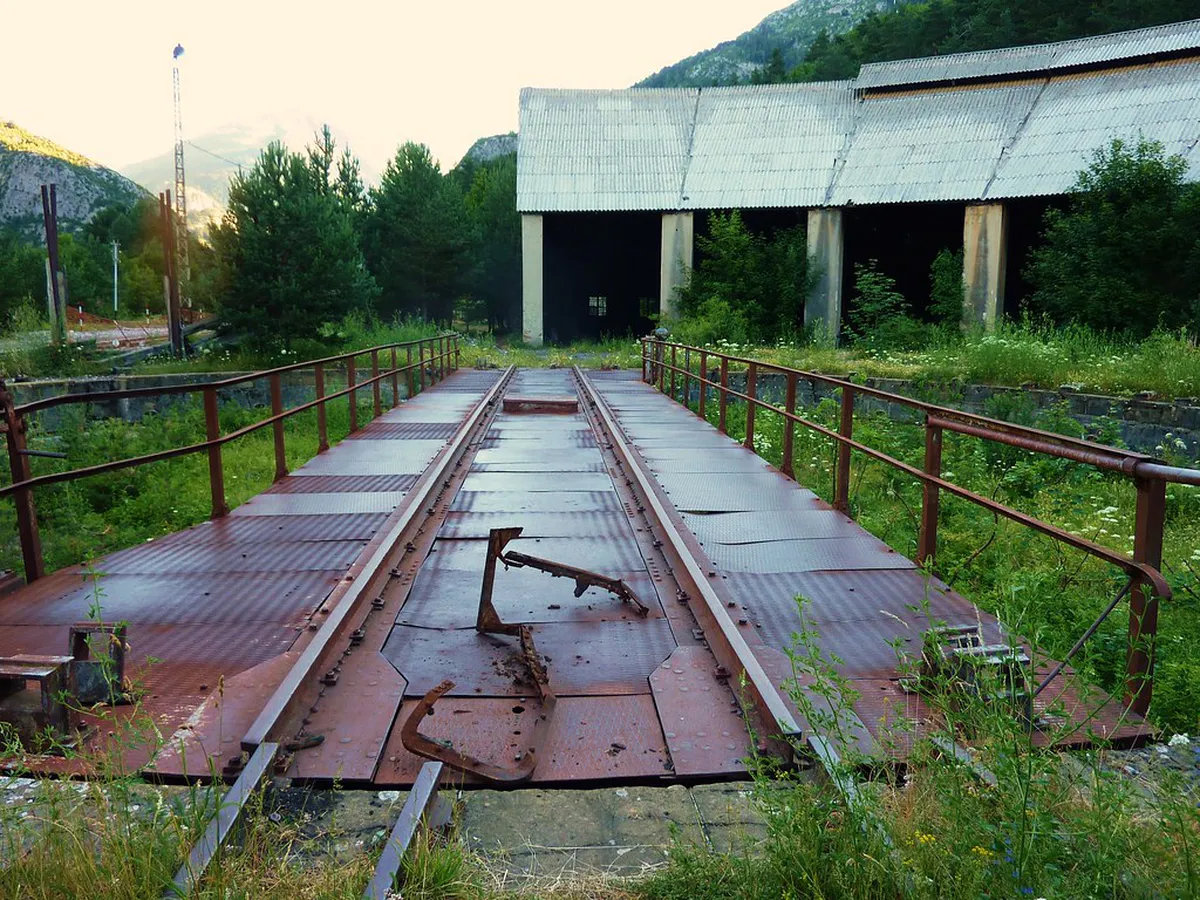
The structure features a massive central turntable measuring twenty-two meters in length for moving heavy train cars. This rotating platform allows technicians to position locomotives into any of the thirty-six radiating indoor service tracks. The mechanical precision required for such a large moving part was revolutionary for the early twentieth century.
Thirty-six radial tracks extend from this central point to provide storage for dozens of historic locomotives. Each track leads into a specialized workshop bay where engineers could perform deep maintenance on the engines. This layout maximizes the use of space while providing easy access to every part of the fleet.
The entire building spans a diameter of one hundred and ten meters across the northern railway yard. This design allowed for efficient maintenance and storage of the region's increasing fleet of powerful steam engines. You can truly appreciate the scale of this achievement when standing directly in the center of the hall.
- Total Diameter: 110 meters of riveted steel.
- Surface Area: 9,500 square meters of covered space.
- Track Capacity: 36 individual maintenance and storage bays.
- Construction Date: Built between 1906 and 1910.
Innovations in Rotonde Ferroviaire SNCF Architecture
The Rotonde Ferroviaire SNCF architecture utilizes a self-supporting metal frame without any internal masonry weight-bearing walls. This approach allows for a completely open floor plan that facilitates the movement of massive railway equipment. The lack of interior columns makes the central space feel incredibly vast and surprisingly lightweight for its size.
Its articulated roof allows the structure to expand and contract naturally during the changing seasonal temperatures. This innovation reflects the Gustave Eiffel influence in Chambéry through its complex lattice work and rivets. Such engineering was necessary to handle the extreme temperature fluctuations found in the French Alps.
Large glass panels around the perimeter provide natural illumination for the mechanical teams working inside the building. This design reduces the need for artificial lighting while creating a beautiful play of shadows across the steel. The combination of glass and iron represents the peak of industrial aesthetics during the Belle Époque period.
Engineers used over five hundred tons of steel to create the intricate dome that covers the central turntable. Every piece was hand-riveted to ensure maximum strength and durability against the weight of heavy winter snow. The result is a masterpiece of functional design that has lasted for over one hundred years.
Preservation Efforts and Tourism in 2025
The French government officially recognized the roundhouse as a historical monument in the year nineteen eighty-four. Ongoing restoration projects ensure that the steel structure remains safe for the public to visit in 2025. These efforts focus on cleaning the metalwork and maintaining the integrity of the original glass panels.
Local associations organize regular guided tours to showcase the impressive collection of historic rolling stock stored here. Visitors can walk among vintage locomotives and learn about the evolution of rail technology over the decades. These tours provide a rare look at the inner workings of a functioning industrial heritage site.
Learning about this site offers deep insights into the history of the region beyond its mountain village charm. The roundhouse serves as an educational hub for students interested in civil engineering and historic preservation techniques. It remains a living monument that continues to serve the railway while welcoming curious travelers from around the world.
Tourists should check the local visitor center for specific opening hours and tour availability during their stay. Most visits require advance booking because of the active nature of the surrounding SNCF maintenance facility. Seeing the turntable in motion is a highlight that many visitors remember long after their trip ends.
Frequently Asked Questions
Can I visit the inside of the Chambéry roundhouse?
Yes, guided tours are available through the local tourism office and various historical railway associations. Tours usually last ninety minutes and provide access to the turntable and several historic train carriages. You must book these sessions in advance to ensure entry to the active railway site.
How do I get to the SNCF roundhouse site?
The roundhouse sits adjacent to the main Chambéry railway station and is easily accessible by foot. Visitors should follow signs toward the technical maintenance yard located on the north side of the tracks. It is a short ten-minute walk from the city center and the main transport hub.
Is there an entry fee for the historical tour?
Entry typically costs between five and ten euros depending on the type of guided tour you choose. These funds directly support the continued preservation and maintenance of the historic industrial equipment and building. Discounts are often available for students, children, and large groups visiting the facility.
What locomotives are currently stored inside the building?
The facility houses several historic steam engines and early electric locomotives from different eras of French rail. You can see the famous 2CC2 3402 electric engine and various vintage passenger cars during your visit. The collection changes occasionally as different pieces undergo restoration or move to other museum sites.
Is the roundhouse still used for modern trains?
While it primarily serves as a museum, the SNCF still uses parts of the site for maintenance. The central turntable remains functional and occasionally moves modern locomotives between different service tracks in the yard. This mix of history and modern utility makes it a unique site in France.
The Rotonde Ferroviaire SNCF architecture provides a unique look into the industrial might of the French railway. It bridges the gap between functional engineering and artistic expression in a way few modern buildings can. Make sure to include this site on your itinerary when you visit this beautiful city in 2025. You will gain a new appreciation for the metal bones that supported the growth of modern Europe.
Key Takeaways
- The roundhouse is the largest metal railway rotunda still standing in France.
- Guided tours provide access to 36 tracks and a massive functional turntable.
- The building showcases incredible steel engineering influenced by the style of Gustave Eiffel.
- Advance booking is required to visit this active SNCF historical monument site.
Related reads: architecturebycity.com, repurposing old factories in chambery.