
Explore Église Saint-Pierre Gothic Features in 2025
Discover the Église Saint-Pierre gothic features in Chartres. Explore the architectural heritage of the Basse-Ville in 2025. Visit this medieval gem today!
On this page
Église Saint-Pierre is a stunning medieval church located in Chartres. It stands as a prime example of the architectural heritage of the Basse-Ville district. Many travelers miss this site while focusing on the city's main cathedral. However, the Église Saint-Pierre gothic features offer a unique look at French history. This church was once part of a powerful Benedictine abbey called Saint-Père-en-Vallée.
Visiting this site in 2025 allows you to see incredible craftsmanship from centuries ago. The building showcases how medieval builders mastered light and height through stone. You will find a peaceful atmosphere that is perfect for quiet reflection and study. Let us dive into the details of this magnificent architectural treasure in France.
History of the Architectural Heritage of the Basse-Ville
The lower part of Chartres is known as the Basse-Ville for its river location. This area grew around the Eure River and supported many local industries centuries ago. It represents a vital part of the architectural heritage of the Basse-Ville through its ancient structures. The monks of Saint-Père established their monastery here to remain close to the water. This strategic position helped the abbey grow wealthy and influential during the Middle Ages.
Construction of the current church building began in the late twelfth century. Builders worked through several phases to complete the choir and the nave. Frequent fires in the city forced architects to rethink their designs multiple times. You can see how the style evolved from early gothic to later periods. This long construction history makes the church a living museum of medieval design.
The abbey served as a center for learning and religious life for generations. It survived numerous conflicts and changes in French society over hundreds of years. Today, the church remains a testament to the skill of ancient stone masons. Walking through the surrounding streets gives you a sense of medieval daily life. The Basse-Ville district still feels like a step back into the fourteenth century.
Preservation efforts have kept the original spirit of the monastery alive for modern visitors. Local authorities work hard to maintain the stone walls and decorative elements today. Visiting in 2025 provides a chance to see these restoration projects in person. The church stands as a proud symbol of the city's enduring cultural identity. You will appreciate the quiet beauty found away from the main tourist crowds.
Defining Église Saint-Pierre Gothic Features and Style
The Église Saint-Pierre gothic features are defined by their elegance and structural balance. You will notice the soaring pointed arches that draw your eyes toward the heavens. These arches allow the roof to be much higher than older romanesque buildings. The transition from heavy walls to light structures is visible throughout the entire nave. Architects used stone expertly to create a feeling of immense weightless space.
The triforium is one of the most remarkable parts of the interior design. This middle level of the wall features delicate stonework and narrow passageways. It creates a sense of depth and rhythm along the length of the church. Builders used the triforium to bridge the gap between the arches and windows. This feature demonstrates the high level of technical skill present in the thirteenth century.
Ribbed vaulting is another essential element of the Église Saint-Pierre gothic features seen today. These stone ribs distribute the weight of the ceiling down to the massive pillars. This system allows for thinner walls and much larger windows in the upper levels. You can see the intricate patterns formed by the crossing ribs on the ceiling. Each section of the vault reflects a masterclass in medieval engineering and math.
The pillars inside the church are composed of multiple smaller shafts bundled together. These clustered columns provide both strength and a beautiful vertical visual flow. They guide the viewer's gaze from the floor up to the high vaulted ceiling. This verticality is a hallmark of the gothic style found across northern France. The consistency of the design shows a clear vision from the master builders.
Evolution of Stained Glass Artistry in Saint-Pierre
The windows of Saint-Pierre are world famous for their incredible color and detail. Most of the glass dates from the late thirteenth and early fourteenth centuries. These panels tell stories from the Bible and the lives of various saints. The stained glass artistry of Chartres is visible in every vibrant blue and red pane. Light filters through these windows to create a mystical glow inside the sanctuary.
Unlike the cathedral, the glass here shows a transition to the radiant gothic style. You will see more yellow and silver stain used in the later windows. This technique allowed artists to create more realistic figures and complex scenes. The windows in the choir are particularly famous for their high level of preservation. They offer a rare look at how medieval people visualized their faith and history.
The large windows fill the entire space between the structural buttresses of the church. This creates a wall of light that seems to defy the laws of physics. Each window tells a unique story that would have been understood by medieval pilgrims. You can spend hours studying the tiny details of the glass and stone. The colors change throughout the day depending on the position of the sun.
Restoration teams have cleaned many of the panels to reveal their original brilliance. Modern technology helps experts protect the glass from pollution and weather damage in 2025. You can now see the fine lines and expressions of the figures clearly. This work ensures that future generations can enjoy the beauty of these ancient masterpieces. The glass remains the crowning jewel of the church's interior decorations.
Structural Engineering and Exterior Flying Buttresses
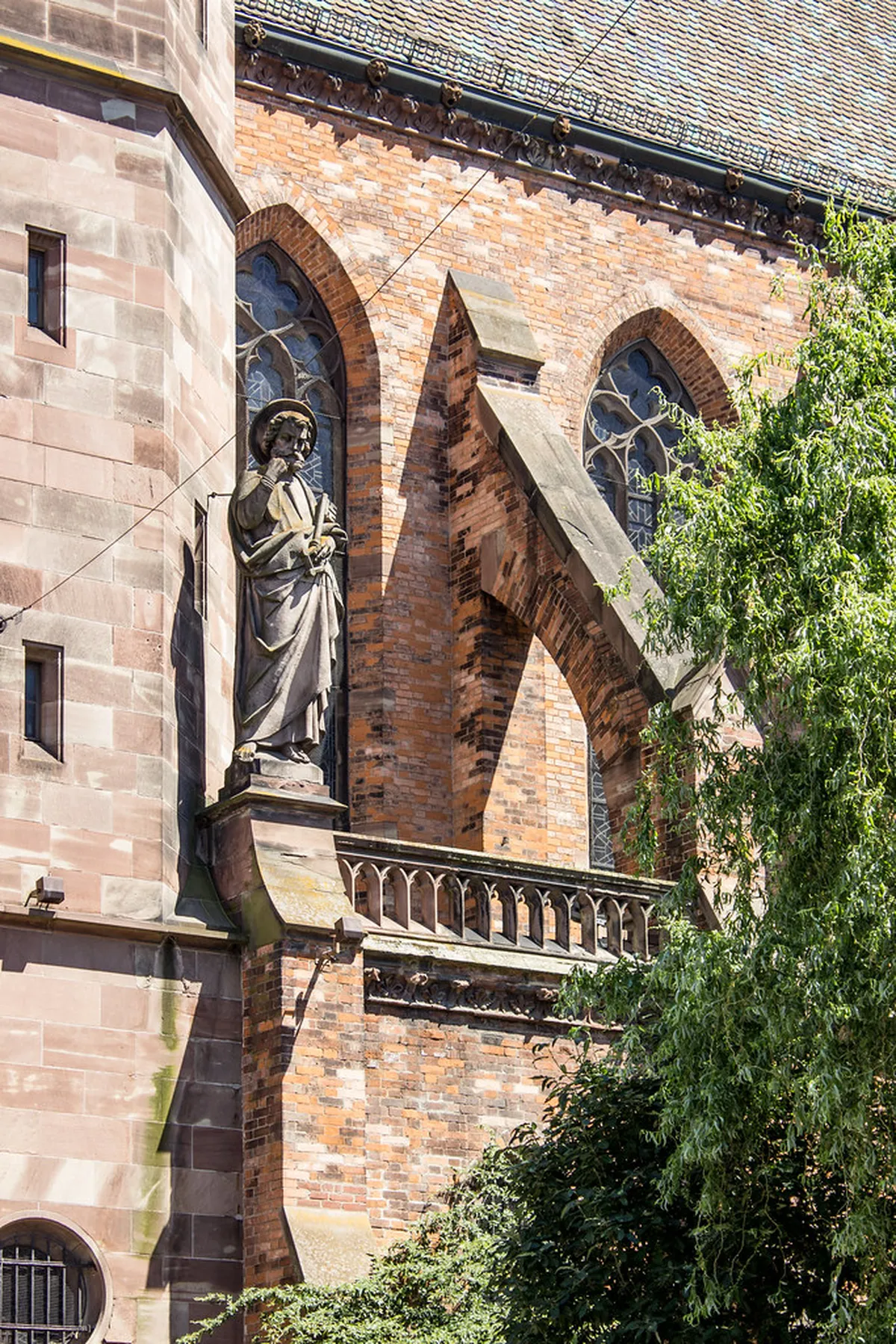
The exterior of the church displays the raw power of medieval construction techniques. You can see the massive flying buttresses that support the high stone walls. These external arches carry the weight of the roof away from the sanctuary. This engineering feat allows the interior to remain open and filled with light. The buttresses give the building its distinct and complex silhouette on the skyline.
Each buttress is carefully carved to match the aesthetic of the entire church structure. You will notice small pinnacles on top of the supports for added stability. These stone weights help push the force of the roof directly into the ground. It is a perfect marriage of functional engineering and beautiful artistic design. Builders in the Middle Ages understood these complex physics without modern computers.
The gargoyles and decorative carvings on the exterior serve a practical purpose as well. These stone creatures act as water spouts to lead rain away from the walls. This prevents the delicate limestone from eroding over hundreds of years of French weather. You can find many different animals and mythical figures carved into the stone. Each one adds a bit of personality to the massive gray stone walls.
Walking around the outside of the church reveals the scale of the monastery complex. You can see where the old cloister once connected to the main church building. The stonework shows different layers of history from various centuries of renovation work. It is helpful to view the church from across the Eure River for perspective. This view highlights how the structure dominates the lower part of the city.
Visiting Église Saint-Pierre in Chartres Today
Planning a visit to see the Église Saint-Pierre gothic features is very easy. The church is located just a short walk from the main train station. Most visitors find that two hours is enough time to explore the interior. Entry to the church is usually free for all members of the public. You should check the local architecture in Chartres guides for current opening times.
The quiet nature of this church makes it a favorite for many photographers. You can often capture the light through the stained glass without many people around. Please remember to remain respectful of the religious services held within the building. Photography is generally allowed but you should avoid using a flash inside. The best time to visit is during a sunny morning for the best light.
The surrounding neighborhood of the Basse-Ville offers many charming cafes and small shops. You can enjoy a meal by the river after your tour of the church. Many of these buildings are also historic and date back to the same era. Walking the narrow streets is the best way to experience the local atmosphere. The area is very safe and pedestrian-friendly for travelers of all ages.
In 2025, several information panels have been added to help explain the history. These signs provide context about the abbey and the construction of the nave. You can learn about the different bishops and monks who shaped the building. The city of Chartres continues to invest in making its history accessible. It is a wonderful addition to any trip to the Loire Valley region.
Frequently Asked Questions
What are the most famous Église Saint-Pierre gothic features?
The most famous features include the flying buttresses and the triforium. The fourteenth-century stained glass is also a major highlight for visitors. These elements showcase the high technical skill of medieval French architects.
How old is the Église Saint-Pierre in Chartres?
The church dates primarily from the twelfth through the fourteenth centuries. It was built on the site of an even older monastery. Most of the structure you see today was finished by 1320.
Is Église Saint-Pierre different from Chartres Cathedral?
Yes, Saint-Pierre was an abbey church for monks while the cathedral served the bishop. It is smaller and more intimate than the massive cathedral on the hill. The architectural styles reflect different phases of the gothic period.
Can I see the stained glass windows for free?
Yes, the church is typically open to the public without an entry fee. You can view all the stained glass from the floor of the nave. Donations are often welcome to help with the ongoing maintenance costs.
Église Saint-Pierre is an essential stop for anyone interested in medieval history and design. The Église Saint-Pierre gothic features provide a deep look at the evolution of French style. You will love the stunning glass and the peaceful atmosphere of the Basse-Ville. Make sure to include this gem in your 2025 travel plans for Chartres. Experience the magic of the Middle Ages by visiting this historic landmark today.
Key Takeaways
- The church features world-class 14th-century stained glass windows.
- Flying buttresses allow for a light and airy interior space.
- It is located in the historic Basse-Ville district near the river.
- The site is often much quieter than the main Chartres Cathedral.
- Admission is generally free for all visitors in 2025.
Related reads: architecturebycity.com, historic wash houses of chartres, bridges of the eure river.