
Bastide Town Planning in France: A Montferrand Guide
Learn about bastide town planning in France. Explore the medieval Montferrand district in 2025. Discover historic architecture with our comprehensive guide today!
On this page
Bastide town planning in France represents a significant shift toward organized urban development during the Middle Ages. These settlements emerged during the thirteenth century to provide better housing and trade opportunities for growing populations. Architects designed these towns using a strict grid system that differed from the organic growth of older cities. Many of these historic layouts remain visible today in regions like the Auvergne and the South. Visitors to Clermont-Ferrand can still see these ancient planning techniques within the beautiful and historic Montferrand district.
The creation of these towns helped French rulers establish stronger political control over their vast rural territories. Bastide town planning in France focused on economic prosperity by placing a large market square at the center. This strategic design allowed for efficient tax collection and improved the overall safety of the local residents. Merchants often traveled from distant regions to sell their goods in these modern and well-ordered medieval marketplaces. Today, these urban gems offer a fascinating glimpse into the architectural ingenuity of the medieval French people.
The Origins of Bastide Town Planning in France
Historians identify bastide town planning in France as a revolutionary architectural movement that changed the European landscape. It began in the southwest but soon spread to other French territories like the scenic Auvergne region. During this period, kings and local lords wanted to expand their influence by building new and functional towns. They offered land and special freedoms to attract skilled workers and farmers to these newly established urban centers. This growth led to a standard design that combined military defense with efficient commercial needs for everyone.
The development of these towns required careful logistical coordination between the ruling lords and the master architects. Every new settlement followed a specific set of rules that prioritized order and accessibility for the residents. Bastide town planning in France ensured that all houses were built with similar dimensions to promote local fairness. These standardized lots allowed the town to grow quickly while maintaining a clean and professional aesthetic. The success of this model eventually influenced urban design across many other parts of medieval Western Europe.
Strategic locations were chosen based on their proximity to existing trade routes and reliable water sources. Bastide town planning in France emphasized the importance of geographic advantages for the long-term survival of the town. Builders often constructed these towns on elevated ground to provide a better vantage point against potential invaders. The layout of the streets was intended to direct traffic toward the central market and the church. This intentional design created a strong sense of community and encouraged frequent interaction between the local townspeople.
Today, these towns serve as living museums that highlight the cleverness of medieval engineers and their planning methods. Bastide town planning in France continues to inspire modern urban planners who value walkable and organized city centers. By visiting these historic sites, you can appreciate the balance between historical preservation and functional modern living. Many towns have kept their original grids intact, allowing you to walk the same paths as medieval merchants. Explore these unique settlements to understand how early French society organized itself for growth and mutual protection.
Urban Grid Patterns in Medieval Bastide Settlements
The core of bastide town planning in France is the use of a rigid and functional grid system. Streets were laid out in straight lines that crossed each other at perfect right angles during construction. This geometry made it easy for residents to navigate the town and find the main central square. The grid also allowed for the efficient distribution of water and drainage throughout the entire urban area. Architects used precise measuring tools to ensure that every street maintained a consistent width for horse carriages.
Main streets were typically wider to accommodate large crowds and heavy carts moving toward the busy marketplace. Secondary streets provided quieter access to private homes and smaller workshops located away from the main noise. Bastide town planning in France used this hierarchy of roads to manage the daily flow of city life. Pedestrians could easily move between different neighborhoods without getting lost in a maze of dark and narrow alleys. This level of organization was very advanced compared to the crowded cities built in earlier centuries.
The central square acted as the heart of the grid and served as the primary commercial hub. Surrounding buildings often featured covered galleries or arcades where merchants could display their goods regardless of weather. Bastide town planning in France focused on making the market square accessible from all four corners of the town. This central focus ensured that all business activities remained visible and easy for the local authorities to monitor. Public meetings and social events also took place in this open space throughout the long medieval years.
Structural uniformity was another key feature of the grid design found in these historic French towns. Every residential block was divided into equal plots of land for the families who moved into the area. Bastide town planning in France prevented wealthy citizens from claiming too much space at the expense of others. This democratic approach to urban design helped build a more stable and cooperative community for the new residents. You can still see the remains of these identical plots when viewing the towns from an aerial perspective.
Medieval Architecture of Montferrand District Layout
The medieval architecture of Montferrand district showcases the finest examples of planned urban design in Clermont-Ferrand. This area was founded by the Count of Auvergne to compete with the neighboring city of Clermont. The layout follows the classic bastide model with straight streets and a highly organized residential structure for citizens. You will notice that the streets are remarkably wide for a town built during the twelfth century. Walking through this district feels like stepping back into a world of medieval order and architectural precision.
The defensive walls of Montferrand were designed to protect the wealth generated by its thriving merchant class. Builders used local volcanic stone to create strong fortifications that could withstand long sieges from enemy forces. Bastide town planning in France often incorporated these sturdy walls directly into the outermost ring of the town. This integration provided a seamless blend of residential space and military security for the people living there. Today, parts of these walls still stand as a reminder of the district's powerful and strategic past.
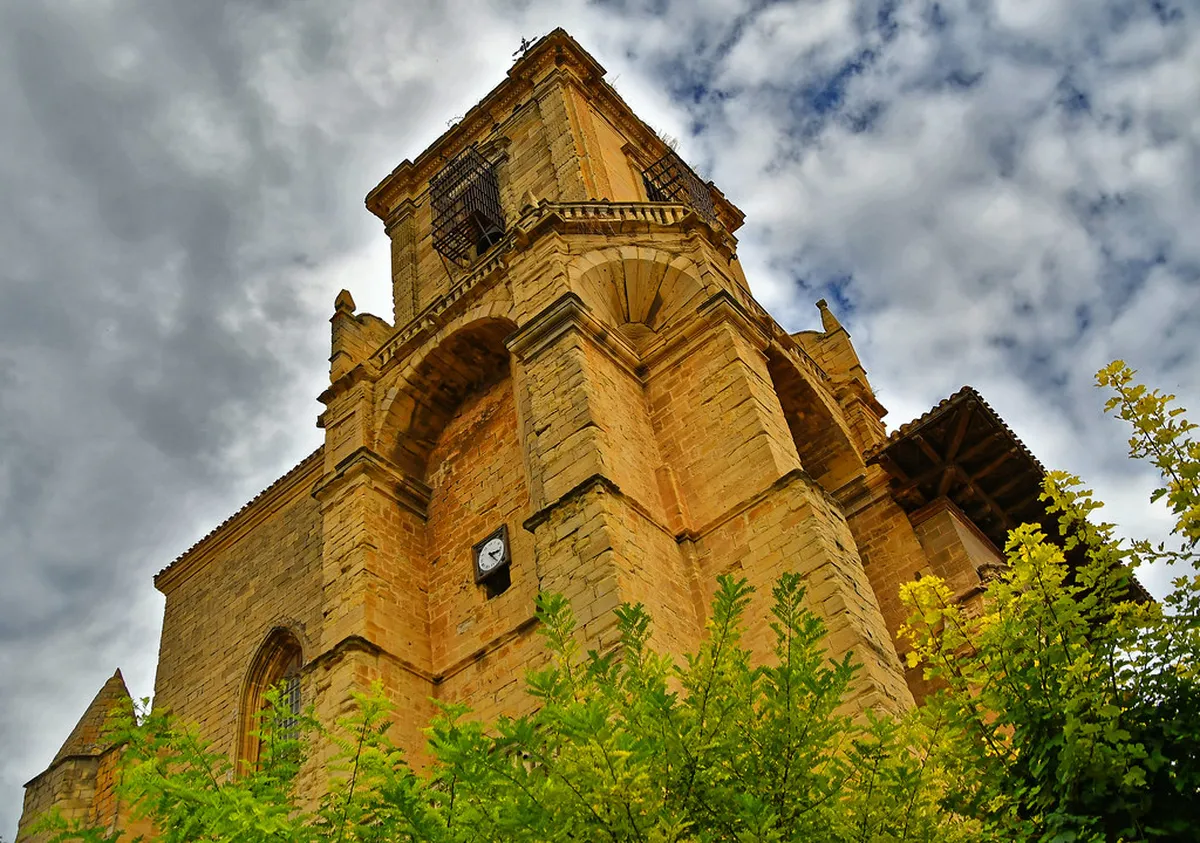
Religious buildings played a central role in the physical and social layout of the historic Montferrand district. The Church of Notre-Dame-de-Prospérité stands as a magnificent example of the gothic style popular during that era. Architects placed the church near the center of the town to ensure it remained a focal point for all. Bastide town planning in France always reserved a prominent location for the local parish to serve the community. The church steeple provided a useful landmark for travelers approaching the town from the surrounding Auvergne countryside.
Residential mansions in this district reflect the growing prosperity of the middle class during the late Middle Ages. Many houses feature elegant stone carvings and beautiful courtyards that were hidden away from the busy main streets. The timber-framed houses in Clermont-Ferrand provide a stunning contrast to the heavy volcanic stone used in larger buildings. These smaller homes show how common residents adapted the grid layout to fit their own unique living needs. Exploring these side streets reveals the intricate details of daily life in a medieval bastide town.
Defensive Structures and Public Squares
Bastide town planning in France integrated defense into every aspect of the urban grid to protect the population. High stone walls and deep moats were standard features for most of these newly built medieval settlements. Sentries could walk along the top of the walls to monitor the surrounding landscape for any potential threats. The corners of the town often featured reinforced towers to provide extra protection against organized military attacks. These features turned the entire town into a massive fortress that was very difficult for enemies to capture.
The gates of the bastide were strategically placed at the ends of the main intersecting streets for control. These heavy wooden or metal doors were closed every night to ensure the safety of the sleeping residents. Bastide town planning in France used these gateways as checkpoints for merchants entering the town to sell goods. Guards would collect taxes and inspect the quality of the products before allowing anyone into the market square. This system maintained order and funded the continuous maintenance of the town's impressive defensive structures.
Public squares served a dual purpose as both commercial centers and strategic assembly points for the local militia. If an enemy breached the outer walls, the open square allowed the defenders to organize a counterattack. Bastide town planning in France ensured that the square was large enough to hold the entire town population. This design facilitated quick communication between the town leaders and the citizens during times of high emergency. Wells were often located in the square to provide a reliable water supply during a long siege.
- Central market squares were designed for maximum visibility and ease of trade.
- Defensive walls often followed a rectangular pattern to match the internal grid system.
- Public wells and fountains provided essential water for residents and their livestock.
- Covered walkways protected merchants and shoppers from the intense sun and rain.
Visiting Historic Bastide Districts in 2025
Planning a trip to see bastide town planning in France is an excellent choice for history enthusiasts in 2025. The Montferrand district in Clermont-Ferrand offers a peaceful atmosphere that is perfect for a slow afternoon walk. You can explore the streets for free and enjoy the unique atmosphere of this ancient medieval urban layout. Many of the historic buildings have been restored to their former glory for the enjoyment of modern visitors. Guided tours are available for those who want to learn more about the specific architectural details found here.
Most architectural walking tours in the area start near the central square or the main historic church. These tours typically cost around fifteen to twenty euros and last for approximately two hours of exploration. You will learn about the historic preservation of Montferrand and how the district has changed over the centuries. The best time to visit is during the spring when the weather is mild and the crowds are smaller. Remember to wear comfortable shoes as the old cobblestone streets can be quite uneven for walking.
Local shops and small cafes are located throughout the district, offering a taste of authentic Auvergne culture and food. You can find traditional pastries and local cheeses that have been made in this region for many generations. Bastide town planning in France created spaces that are still ideal for small businesses to thrive today. Many of these shops are housed in buildings that date back to the fourteenth or fifteenth centuries. Supporting these local artisans helps ensure that the historic character of the district remains vibrant and alive.
For the best photography, visit the district during the golden hour just before the sun sets in the evening. The light reflects beautifully off the dark volcanic stone used in many of the oldest medieval structures. Bastide town planning in France creates long, straight perspectives that are perfect for capturing dramatic and interesting photos. You can see the clear lines of the streets as they lead toward the mountains in the distance. This unique urban geometry provides endless opportunities for creative shots of the historic French landscape.
Frequently Asked Questions
What is the main feature of bastide town planning in France?
The main feature is a strict grid layout with streets crossing at right angles. This design centers around a large market square used for trade and social gatherings. It offered a organized alternative to the chaotic growth of older medieval cities in Europe.
When were the bastide towns first built in France?
Most bastide towns were built between 1220 and 1350 during a period of rapid urban expansion. They were primarily established in the southwest and central regions to promote trade and secure borders. These towns represented a new way of thinking about urban life and governance.
Can I visit a bastide town in Clermont-Ferrand today?
Yes, the Montferrand district is a prime example of this planning style within the city. You can walk through its historic streets and see the original grid pattern from the Middle Ages. It remains one of the best-preserved medieval districts in the entire Auvergne region of France.
Bastide town planning in France remains a testament to the organizational skills of medieval architects and ruling lords. By visiting the Montferrand district in 2025, you can witness the lasting legacy of these historic urban designs. The grid patterns and central squares continue to function as vital parts of the local community today. Plan your visit to Clermont-Ferrand soon to experience this fascinating architectural history for yourself. We hope this guide helps you appreciate the beauty and logic of medieval French town planning.
Key Takeaways
- Bastide towns use a strict grid system for better organization.
- The central market square is the heart of every bastide design.
- Montferrand is a perfectly preserved bastide district in Clermont-Ferrand.
- These towns were built for both military defense and economic trade.
- Visiting in 2025 offers a unique look at medieval urban life.
Related reads: architecturebycity.com, architecture in clermont ferrand, volcanic gothic style of clermont ferrand cathedral.