
Viollet-le-Duc Restoration in Clermont-Ferrand Guide
Explore the historic Viollet-le-Duc restoration in Clermont-Ferrand. Learn about the Volcanic Gothic style and plan your 2025 visit. Discover French history now!
On this page
The dark silhouette of Clermont-Ferrand Cathedral defines the city skyline during the current year of 2025. This masterpiece owes its final form to the nineteenth-century Viollet-le-Duc restoration in Clermont-Ferrand. The cathedral stands as a rare example of a completed Gothic masterpiece in southern France. Its dark stone creates a dramatic atmosphere that remains unique among the great French cathedrals today.
This striking visual identity stems directly from ancient lava flows of the nearby Chaîne des Puys volcanoes. Visitors from around the world come to admire the intricate carvings and soaring spires of this building. The architectural journey of this site spans several centuries of religious and artistic development in the region. Understanding the restoration efforts helps travelers appreciate the complex history of this iconic French landmark.
The Material Heritage of Volvic Stone
The cathedral is famous for its dark color because builders used local volcanic stone for the walls. This material comes from nearby quarries and provides exceptional strength for supporting heavy Gothic vaults. Architects chose this specific stone for its ability to resist erosion over many hundreds of years. You can learn more about the Pierre de Volvic construction properties that make these structures so durable today.
The charcoal gray hue of the stone creates a somber yet majestic aesthetic for the entire city. Builders in the medieval era found the stone easy to carve into very fine decorative shapes. This allowed for the creation of delicate window tracery and complex sculptural details on the facade. The stone maintains its sharp edges even when exposed to harsh mountain weather for several centuries.
Local craftsmen have mastered the art of working with this volcanic material since the middle ages. The use of Volvic stone represents a deep connection between the natural landscape and urban architecture. Modern visitors often remark on how the building seems to rise naturally from the volcanic earth itself. This material choice remains the most distinctive feature of the regional architectural identity in central France.
Maintenance of the stone surfaces requires specialized knowledge passed down through generations of French stonemasons. Periodic cleaning ensures that the dark facade remains vibrant rather than appearing dull or neglected over time. Conservation teams work hard to protect the porous surface from the effects of modern industrial pollution. Their efforts preserve the dramatic visual impact of the cathedral for future generations of travelers to enjoy.
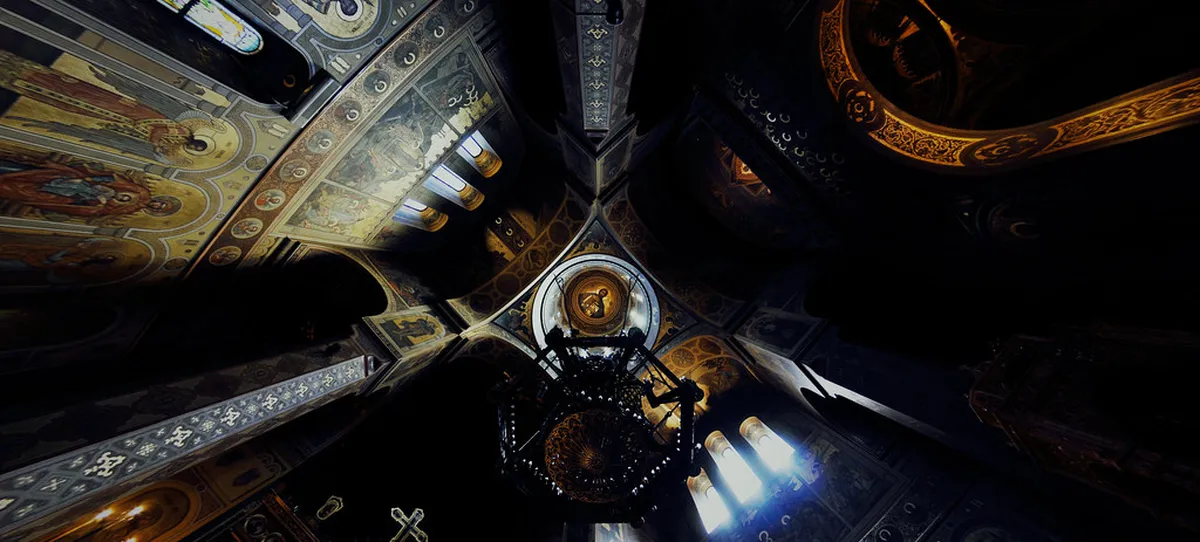
The interior of the cathedral also features this dark stone, which creates a unique play of light. Sunlight through the stained glass appears more intense against the background of the charcoal gray volcanic walls. This contrast heightens the spiritual atmosphere for worshippers and tourists who enter the sacred space. The material heritage of the cathedral remains a point of pride for the people of Clermont-Ferrand.
Viollet-le-Duc Restoration in Clermont-Ferrand Methods
The famous architect Eugene Viollet-le-Duc arrived in the city during the middle of the nineteenth century. He wanted to complete the cathedral in a style that matched the original medieval design plans. This ambitious project remains the most significant Viollet-le-Duc restoration in Clermont-Ferrand to this day. He focused his efforts on finishing the western facade which had remained incomplete for many centuries.
His approach involved a deep study of the Volcanic Gothic style of Clermont-Ferrand Cathedral to ensure stylistic harmony. He added the two massive western spires that now dominate the horizon of the Auvergne region. These spires reach nearly one hundred meters into the sky and serve as a local navigational landmark. His work successfully blended the new additions with the existing thirteenth-century structure of the main nave.
Critics sometimes argued that his restoration methods were too creative or not historically accurate enough for some. However, his vision provided the city with a finished masterpiece that feels unified and structurally sound. He used modern engineering techniques to ensure the new spires would not collapse under their own weight. This balance of ancient aesthetics and modern technology defines his lasting legacy in the field of architecture.
The restoration project took several decades to complete and required a massive workforce of skilled local laborers. Viollet-le-Duc supervised every detail of the construction from the foundation to the tips of the spires. He insisted on using the same volcanic stone to maintain the visual consistency of the entire building. This dedication to material unity is why the transition between old and new parts is seamless.
Today, historians view his work as a vital contribution to the preservation of French national heritage sites. The cathedral would look very different today without the intervention of this visionary and controversial French architect. His designs helped define the romantic image of the Gothic cathedral for the modern era of tourism. Visitors in 2025 can still see his initials carved into certain sections of the stone masonry.
Structural Stability and Modern Engineering
Completing the cathedral required more than just artistic vision and beautiful stone carvings on the outside. Viollet-le-Duc had to reinforce the existing foundations to support the weight of the new western towers. He used hidden iron supports to provide extra stability to the tall and narrow Gothic arches inside. This innovative use of metal allowed for higher ceilings without increasing the thickness of the stone walls.
The architect carefully calculated the wind loads that the new spires would face at such high altitudes. These engineering choices have allowed the cathedral to survive major storms and environmental changes over the years. Modern engineers still study his blueprints to understand how he solved complex structural problems in the nineteenth century. His work ensured that the cathedral remains safe for the thousands of people who visit annually.
Protecting the building from moisture is another critical aspect of maintaining structural integrity over long periods. The restoration included advanced drainage systems to move rainwater away from the delicate volcanic stone surfaces quickly. Small gargoyles serve both as decorative elements and as functional waterspouts for the roof during heavy rain. These practical features demonstrate the clever integration of form and function in high Gothic architectural design.
Regular inspections in 2025 help identify any small cracks or shifts in the massive stone structure early. Technology like laser scanning helps conservators monitor the movement of the towers with extreme mathematical precision. These modern tools complement the traditional methods used during the original Viollet-le-Duc restoration in Clermont-Ferrand. Keeping the building stable is a constant task for the dedicated team of city heritage experts.
The combination of medieval masonry and nineteenth-century engineering makes the cathedral a fascinating case study for students. Each stone was placed with careful consideration for the overall balance of the entire religious structure. The result is a building that feels light and airy despite being made of heavy volcanic rock. This structural success is a testament to the skill of everyone involved in the restoration project.
Decorative Elements and Gothic Authenticity
The exterior of the cathedral is covered in intricate carvings that represent stories from the Christian Bible. Viollet-le-Duc added many of these decorative elements during the restoration to enhance the Gothic character of the site. He employed local artists to create gargoyles that appear both frightening and whimsical to the modern observer. These sculptures help to give the building its unique personality and legendary status in the region.
Stained glass windows within the cathedral date back to the thirteenth century and offer a colorful contrast. The restoration work included careful cleaning and repair of these fragile glass panels to preserve their brilliance. Some newer windows were added during the nineteenth century to fill gaps in the original medieval layout. The result is a stunning display of light that changes throughout the day as the sun moves.
The interior furniture and the altar also reflect the neo-Gothic tastes of the restoration period in France. Viollet-le-Duc designed many of the choir stalls and metalwork pieces to match the surrounding stone architecture. These details create a sense of total immersion for visitors walking through the quiet and cool nave. Every small handle and latch was chosen to fit the overall historical theme of the building.
Symbolism plays a major role in the design of the spires and the various decorative roof finials. Many of these shapes represent the connection between the earthly world and the heavens above the city. The architect used these details to guide the eye of the viewer upward toward the sky. This verticality is a hallmark of the Gothic style that he worked so hard to complete.
Visitors can find hidden details by looking closely at the bases of the many interior stone columns. Some carvings depict local plants and animals found in the Auvergne mountains surrounding the city of Clermont-Ferrand. These small touches ground the grand cathedral in its specific geographic and cultural context for the local community. Discovering these secrets is a highlight for anyone taking a deep dive into the local history.
Visiting the Cathedral Grounds in 2025
Planning a visit to the cathedral in 2025 allows you to experience the full scale of this restoration. The building is open to the public for most of the day without any entrance fees required. Morning is the best time to see the sun hitting the western spires for the best photos. You will find the atmosphere inside to be peaceful and perfect for quiet contemplation or historical study.
The area surrounding the cathedral is filled with charming cafes and shops located in historic medieval buildings. Walking through these narrow streets gives you a sense of how the city looked during the restoration era. You can see the dark volcanic stone used in many smaller homes and public fountains nearby. This creates a unified architectural experience that extends well beyond the walls of the cathedral itself.
Those interested in learning more should consider booking the architectural walking tours of Clermont-Ferrand available this summer. These tours provide expert insight into the specific techniques used during the Viollet-le-Duc restoration in Clermont-Ferrand. Guides can point out the subtle differences between the medieval foundations and the nineteenth-century additions. This context makes the visit much more meaningful for those who enjoy learning about French history.
Photography enthusiasts will find endless subjects among the shadows and highlights of the black volcanic stone facade. The contrast between the dark building and the bright blue sky of the Auvergne is truly spectacular. Try to capture the intricate details of the gargoyles from the public square located directly in front. The scale of the spires is best captured from a distance to show their height properly.
Be sure to check the local schedule for any special concerts or religious services held inside the cathedral. The acoustics of the high Gothic vaults make musical performances an unforgettable experience for every listener. Respectful behavior is expected at all times as the cathedral remains an active place of worship today. This living history is what makes the site so special for residents and tourists alike.
Frequently Asked Questions
Why is the Clermont-Ferrand Cathedral black?
The cathedral is black because it was built using local volcanic stone known as Pierre de Volvic. This stone is naturally dark gray and becomes darker over time when exposed to the elements. It is extremely durable and allows for the very fine carvings seen on the facade.
Who was the main architect of the cathedral restoration?
Eugene Viollet-le-Duc was the primary architect responsible for the nineteenth-century restoration and completion of the cathedral. He designed the iconic twin spires and finished the western facade. His work ensured the building finally looked like a complete Gothic masterpiece.
When was the Viollet-le-Duc restoration in Clermont-Ferrand completed?
The major restoration and construction of the spires took place between 1866 and 1884. This project finished the work that had been paused since the middle ages. It transformed the city skyline and preserved the building for the future.
Is it free to enter the Clermont-Ferrand Cathedral?
Yes, entry to the main nave of the cathedral is free for all visitors in 2025. There may be small fees for specific guided tours or access to certain restricted areas. Please check the local schedule for opening hours before you arrive.
The Viollet-le-Duc restoration in Clermont-Ferrand created a lasting symbol of architectural pride and regional identity. This dark volcanic masterpiece continues to inspire visitors with its dramatic height and intricate Gothic details today. You should plan a visit to see how nineteenth-century vision saved a medieval treasure for modern times. Discover the unique beauty of the Auvergne region by exploring this incredible cathedral during your next trip.
Key Takeaways
- The cathedral is built from unique black volcanic stone from Volvic.
- Viollet-le-Duc finished the twin spires in the nineteenth century.
- The restoration successfully blended modern engineering with medieval Gothic aesthetics.
- Visitors can enjoy free entry to the cathedral throughout the year 2025.
Related reads: architecturebycity.com, architecture in clermont ferrand, gothic spires and gargoyles of notre dame de lassomption.