
Chalk Pit Excavations in Champagne: Epernay Guide
Discover the history of chalk pit excavations in Champagne. Explore Epernay's underground architecture in 2025 and book your cellar tour today!
On this page
Epernay hides a vast and secret world of chalk pit excavations in Champagne today. These deep quarries now serve as grand and historic aging cellars for famous wine houses. They represent a unique feat of historical engineering and resourcefulness in the heart of France.
Visitors to Epernay in 2025 will find miles of winding tunnels deep underground. The chalk soil provides the perfect environment for storing delicate and expensive sparkling wines. Understanding this underground architecture of champagne cellars is essential for all curious travelers.
History of Chalk Pit Excavations in Champagne
The history of these excavations starts with the ancient Roman Empire during their long reign. Workers carved into the soft white stone to build early Epernay structures and durable homes. These deep holes became the primary foundation for a future and massive global wine industry.
People soon realized that the chalk offered amazing insulation properties for all types of storage. Farmers used the cool pits to keep food fresh during the very hot summer months. This practice eventually caught the attention of early and innovative sparkling wine producers in France.
The chalk pits provided a stable environment that few other places could match or replicate. They protected the glass bottles from the harsh sunlight and fluctuating outdoor temperatures of the seasons. Builders began connecting these isolated pits to create long and continuous storage galleries for bottles.
Today, these tunnels represent a significant part of the rich cultural heritage of the country. They show how ancient mining techniques paved the way for modern and successful industrial practices. The massive chalk pit excavations in Champagne remain as solid as they were many hundreds of years ago.
The Underground Architecture of Champagne Cellars
Designing the underground architecture of champagne cellars required great skill and very high precision. Architects had to ensure that the tunnels could withstand the massive pressure of the earth. They used vaulted ceilings to distribute the immense weight of the soil and buildings above.
Many cellars in Epernay feature beautiful stone masonry and some very intricate decorative carvings. These details demonstrate the wealth and prestige of the various wine houses found in France. The white walls reflect light and create a sense of vast and open subterranean space.
Ventilation shafts were carefully placed to allow fresh air to flow through the deep depths. These shafts are often hidden within the landscaping of the beautiful vineyards and private gardens. Proper airflow prevents the buildup of moisture that could damage the delicate wine labels over time.
Staircases leading into the pits are often steep and carved directly from the solid rock. Modern houses have added elevators to help visitors access the deeper levels much more comfortably. The blend of old and new architecture makes these tours incredibly fascinating for all history lovers.
Engineering Challenges in Epernay’s Subterranean Network
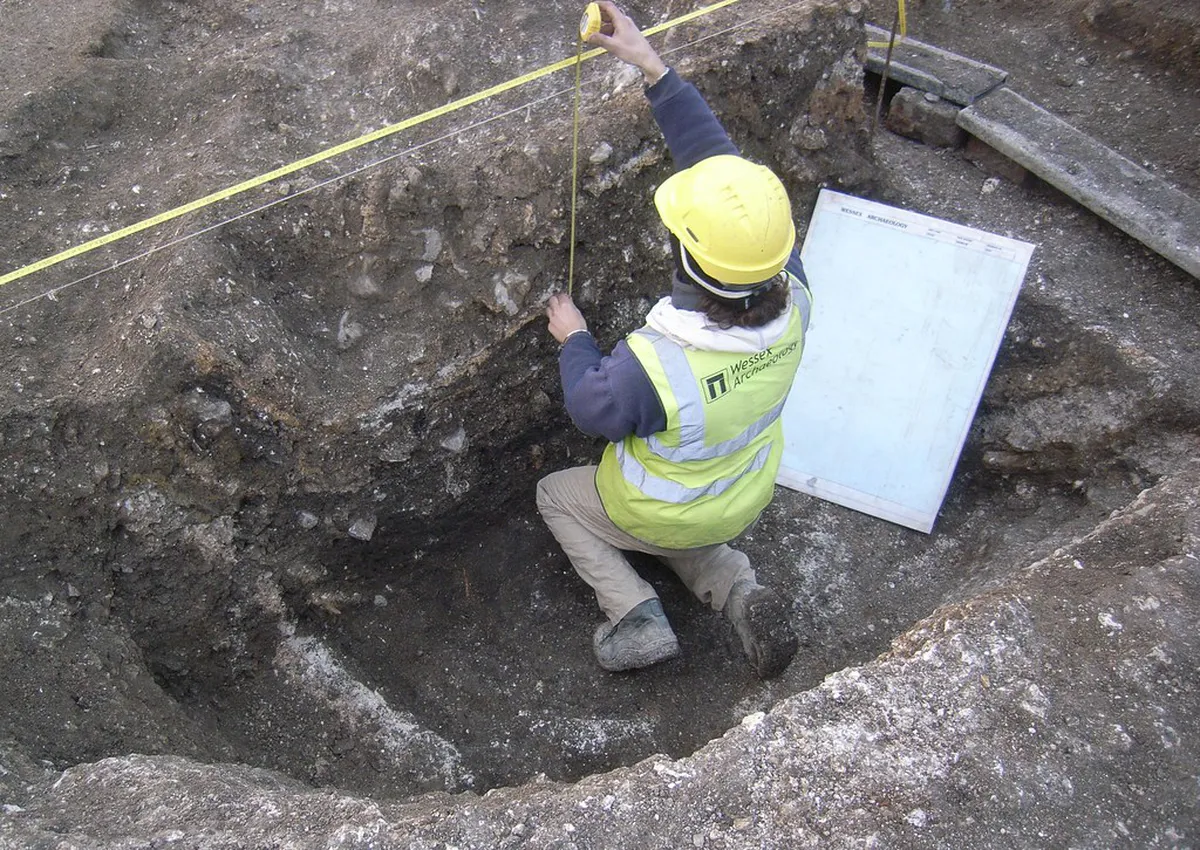
Engineers faced difficult tasks when expanding the chalk pit excavations in Champagne during the past. They had to map the city streets to avoid digging under vital and sensitive public infrastructure. This required early surveyors to use advanced mathematical formulas for accurate and safe tunnel placement.
The soft nature of the chalk made digging relatively fast and easy for the workers. However, it also meant that they had to monitor for any potential cracks and ground shifts. Structural reinforcements were added wherever the rock appeared too thin or unstable for long-term safety.
You can learn about architecture in Epernay by observing these diverse and clever construction methods. Different eras used different materials like brick or local stone to strengthen the deep tunnels. Each section of the cellar network tells a story of technological evolution and industrial progress.
Water management was another major concern for the architects during the long construction process. They designed drainage systems to prevent the tunnels from flooding during very heavy rain periods. This careful planning has kept the cellars dry and functional for several centuries of use.
Notable Examples: Mercier Cellar Tunnel Engineering
The Mercier house is famous for its grand vision and massive underground projects in Epernay. They wanted to create a cellar that could impress visitors from all around the globe. This led to the creation of exceptionally wide and very tall tunnel structures for storage.
You should explore the Mercier cellar tunnel engineering during your visit to the city. They even commissioned artists to carve giant bas-reliefs directly into the soft and white chalk walls. These artworks depict the history of the house and the complex winemaking process through time.
The house used an automated train to move guests through their vast and winding galleries. This innovation made it easier for people to see the true scale of the excavations. It remains a popular attraction for families and history buffs visiting the Champagne region today.
The engineering team had to solve complex logistical problems to build such large underground spaces. They moved thousands of tons of chalk to the surface during the initial digging phase. Much of this material was then used for other construction projects around the city.
Atmospheric Conditions in the Deep Chalk Pits
The natural environment inside the massive chalk pit excavations in Champagne is perfectly and naturally balanced. Humidity stays at a constant level of nearly ninety percent throughout the entire calendar year. This high moisture prevents the wine from evaporating through the wooden barrel staves over time.
Temperature control is another vital feature provided by the thick layers of natural white chalk. The thermometer rarely moves from the ideal ten degrees Celsius even during the hottest summer heatwaves. This stability allows the yeast to work slowly and create very fine and delicate bubbles.
Darkness is strictly maintained in the cellars to protect the wine from any light strike. Special orange-tinted lights are used during tours to minimize the impact on the aging bottles. These conditions ensure that every bottle of champagne reaches its full potential for the drinkers.
The silence within the deep galleries creates a peaceful atmosphere for the long aging process. Vibrations from the trains and cars above are absorbed by the dense and thick chalk soil. This stillness is often described as the true soul of the traditional champagne production method.
Practical Tips for Exploring Epernay's Underground
Visiting the chalk pit excavations in Champagne requires some preparation for the best possible experience. Most cellars are quite chilly, so you should bring a warm sweater or a light jacket. Wear comfortable walking shoes as the floors can be uneven and slightly damp in some areas.
Booking your tours in advance is highly recommended during the busy and popular summer months. Many houses have limited space and their popular time slots fill up very quickly each day. You can find many booking options on the official websites of the major wine houses.
Photography is usually allowed, but you should avoid using a flash near the aging wine. The low light levels make it a challenge to capture the perfect subterranean photo of the tunnels. Try to stay with your guide to hear the fascinating stories about the historical excavations.
Many tours end with a tasting session of the different sparkling wines produced on the site. This is a great chance to learn about the flavors and the complex blending process. You can also purchase bottles to take home as a souvenir of your trip.
Frequently Asked Questions
Why were these chalk pits originally dug in Epernay?
Romans and early locals dug these pits to extract building stone for construction projects. The soft chalk was easy to carve and very durable for building many local homes. Later, wine producers found these deep cavities perfect for storing their delicate sparkling wines.
How cold are the champagne cellars in Epernay?
The cellars maintain a constant temperature of about ten to twelve degrees Celsius all year. This coolness is natural and stays the same during both the summer and winter months. Visitors should always bring a light jacket or sweater for their underground walking tours.
Can I visit the chalk pit excavations in Champagne today?
Many famous wine houses offer guided tours of their underground tunnel networks for visitors. You can walk through the historic galleries and see the aging wine bottles in person. It is best to book these tours online before you arrive in Epernay during 2025.
The chalk pit excavations in Champagne are a testament to human ingenuity and nature's gifts. These underground marvels continue to define the identity of Epernay for travelers visiting in 2025. Explore the depths of the city to witness this incredible architectural legacy for yourself soon. Experience the history and taste the excellence of these world-famous sparkling wines this year.
Key Takeaways
- Chalk pits were originally created as quarries for Roman building materials.
- Constant humidity and 10-degree temperatures provide the perfect environment for wine aging.
- Innovative engineering like Mercier's tunnels allowed for massive storage and early wine tourism.
- Visitors should prepare for chilly conditions and book tours well in advance for 2025.
Related reads: architecturebycity.com, architectural design of ventilation shafts.