
Château de la Marquetterie Design: An Épernay Gem
Explore the Château de la Marquetterie design in 2025. Discover this eclectic mansion in Épernay and plan your visit to the Champagne region today!
On this page
The Château de la Marquetterie design showcases the artistic heritage of the famous Champagne region in 2025. This stunning mansion sits on a hillside overlooking the historic village of Pierry near the city of Épernay. Travelers visit this site to admire the harmony between nature and human construction in rural France. It remains a significant example of the eclectic style mansions in Épernay today.
The property offers a unique glimpse into the lives of the French nobility and wine producers. Its striking silhouette serves as a landmark for those exploring the winding roads of the Marne Valley. Every corner of the estate tells a story of survival and refined luxury across several centuries. You will find that the architectural details reflect the prestigious status of the Taittinger family owners.
The Historical Legacy of the Estate
The history of this site begins long before the current Château de la Marquetterie design was fully realized. Monks from the Benedictine order originally settled on these fertile lands during the early eighteenth century. They recognized the potential of the soil for creating some of the world's finest sparkling wines. Their early efforts established the agricultural importance of this specific location in the heart of France.
The estate underwent a massive transformation when the building was reconstructed in the elegant Louis XV style. This era introduced the refined proportions and decorative elements that define the property in the modern age. The architecture reflects the transition from simple functional buildings to grand residences for the wealthy elite. You can still see original structural elements that survived the turbulent years of the French Revolution.
General de la Marquetterie acquired the property and gave it the name that visitors recognize around the world. He was a distinguished military figure who appreciated the serene beauty of the surrounding hills and vineyards. His family maintained the estate with great care until the Taittinger family purchased it in the 1930s. This acquisition marked a new chapter in the preservation of this remarkable architectural monument.
Today, the mansion serves as a symbol of the long-standing connection between the land and its people. It has hosted many famous figures and hosted countless celebrations for the global wine community over time. The historical narrative of the house is just as compelling as its physical beauty and grand appearance. Each room within the structure holds memories of the families who shaped the history of the region.
Key Elements of the Château de la Marquetterie Design
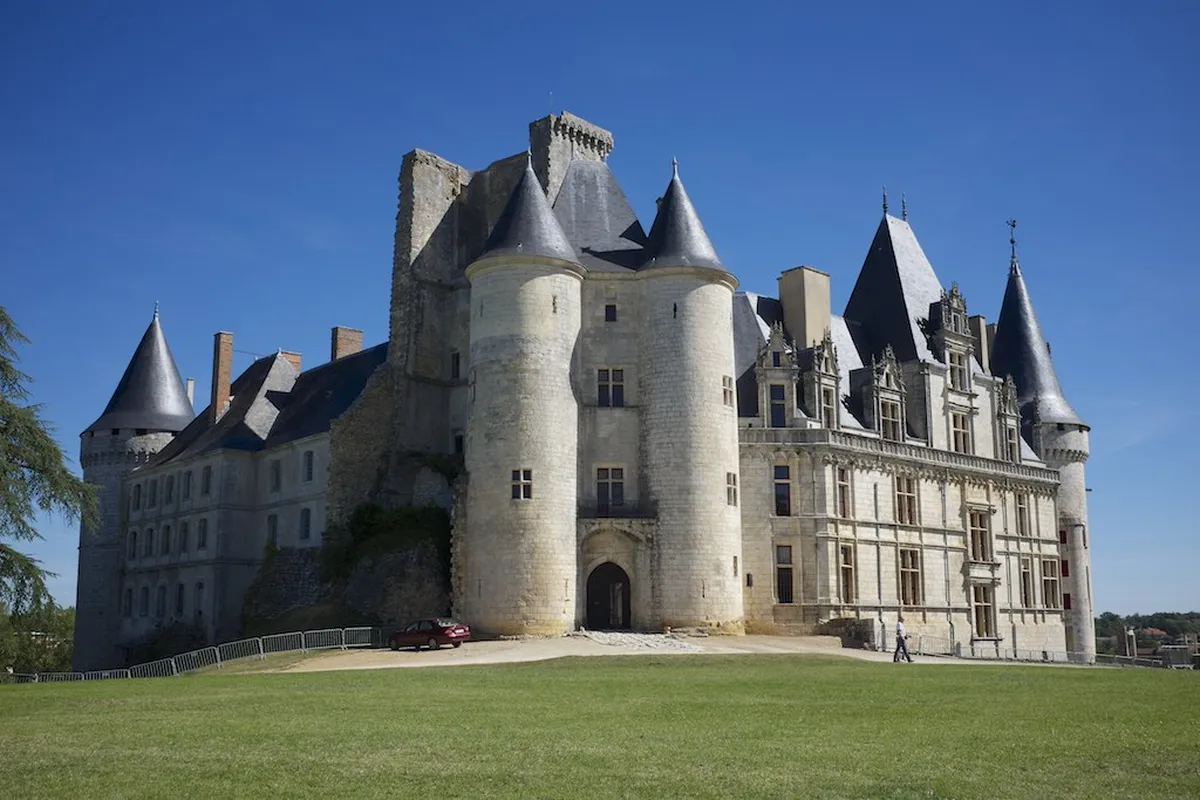
The Château de la Marquetterie design is characterized by its perfect symmetry and classic French aesthetic principles. Architects utilized local limestone to create the warm and inviting facade that greets visitors upon their arrival. This specific stone choice ensures that the building blends seamlessly into the natural landscape of the valley. The light-colored masonry reflects the sunlight beautifully during the long summer afternoons in northern France.
The roof of the mansion is another standout feature of the overall architectural composition of the building. It uses traditional blue slate tiles which provide a sharp contrast to the cream-colored stone of the walls. Tall chimney stacks rise from the roofline to create a sense of verticality and grandeur for the house. These elements are typical of high-end architecture in Épernay and the surrounding countryside.
Large windows are placed strategically across the facade to allow natural light to flood the interior living spaces. These openings also provide the residents with stunning views of the vineyards that stretch toward the horizon. The window frames are often painted in soft colors to complement the natural tones of the limestone masonry. Such attention to detail highlights the sophistication of the original designers who worked on this historic project.
Decorative carvings and ornamental details can be found around the main entrance and along the upper cornices. These features showcase the skill of the local craftsmen who built the mansion using traditional eighteenth-century techniques. You will notice subtle floral motifs and classical patterns that add a touch of elegance to the exterior. These small touches contribute significantly to the overall charm and prestige of the entire estate.
Exploring the Eclectic Exterior Architecture
The exterior of the property demonstrates why it is considered one of the finest eclectic style mansions. It combines elements of classical French design with local architectural traditions specific to the Marne department region. This mixture of styles creates a visual experience that is both familiar and uniquely distinctive to this site. The result is a mansion that feels grounded in history while expressing a very personal sense of style.
A grand staircase leads up to the main entrance and serves as a focal point for the facade. The stone steps are wide and welcoming to symbolize the hospitality of the families who lived here. Iron railings with gold accents provide a touch of royal luxury to the outdoor spaces of the home. These railings were carefully restored to ensure they maintain their original beauty for future generations to enjoy.
The surrounding gardens were designed to act as an extension of the indoor living areas of the house. Gravel paths wind through perfectly manicured lawns and seasonal flower beds that change throughout the calendar year. These green spaces provide a sense of order and tranquility that matches the formal design of the building. You can spend hours walking through the grounds to discover different perspectives of the grand mansion walls.
There is a unique checkerboard pattern visible in the way the vineyards are planted around the main house. This visual design gave the estate its name because it resembles the intricate art of wood marquetry. The layout is both a functional agricultural choice and a stunning artistic statement for the entire property. It creates a rhythmic pattern that draws the eye across the hills toward the distant forest edges.
The Interior Craftsmanship and Decor
The interior of the mansion is just as impressive as the famous Château de la Marquetterie design outside. High ceilings and ornate plasterwork create an atmosphere of space and luxury in the main reception rooms. Every room is filled with period furniture that reflects the history of the house and its various owners. You will feel as if you have stepped back in time as you move through the halls.
The dining room features a massive wooden table where many important business and political decisions were once made. Large crystal chandeliers hang from the ceiling to illuminate the space during evening dinners and formal holiday events. The walls are covered in silk wallpaper and fine paintings that depict scenes from the local French countryside. These elements work together to create a cohesive and sophisticated aesthetic for the interior of the mansion.
Private rooms on the upper floors offer a more intimate look at the daily lives of the inhabitants. Each bedroom is decorated with unique fabrics and antique pieces that tell a personal story of the past. The floors are made of polished oak that creaks slightly under your feet as you explore the space. It is clear that no expense was spared in the decoration of these private and personal quarters.
The cellars beneath the house are perhaps the most important part of the entire architectural layout of the property. They were carved directly into the chalk soil to provide the perfect temperature for aging fine sparkling wine. These underground tunnels stretch for a significant distance and hold thousands of bottles from different vintage years. Visiting these cellars is an essential part of any architectural tours of Champagne estates in the region.
The Role of the Vineyards in Design
The vineyards are not merely a source of income but a vital part of the overall estate design. They are arranged in a way that emphasizes the natural contours of the hills near the village. This careful planting ensures that the vines receive the maximum amount of sunlight during the growing season. The green leaves provide a vibrant backdrop for the cream-colored walls of the mansion during the summer.
The relationship between the building and the land is central to the identity of the entire Marquetterie estate. Architects and gardeners worked together to ensure that the house did not overpower the natural beauty of the site. Instead, the mansion acts as a crown for the hill, overlooking the valley with a sense of pride. This balance is a key characteristic of the most successful rural estates in northern France.
Seasonal changes transform the appearance of the vineyards and the mansion throughout the months of the year. In the spring, the new growth creates a bright green carpet that surrounds the historic stone structures. Autumn brings a golden hue to the leaves which matches the warm tones of the local limestone masonry. Even in winter, the bare vines create a graphic and minimalist pattern against the cold white snow.
Sustainable farming practices are now a major focus for the team that manages the land in 2025. They use modern techniques to preserve the health of the soil and the local ecosystem for the future. These efforts ensure that the estate remains a productive and beautiful site for many more generations to come. The commitment to the land is reflected in the high quality of the wine produced here.
Practical Guide for 2025 Visitors
Visiting the estate in 2025 requires some advance planning to ensure you have the best possible experience during your trip. Most tours must be booked several weeks in advance through the official website of the Taittinger wine house. Prices for a standard tour and tasting usually range from 50 to 100 Euros per person today. These tours provide deep insights into the history and the unique Château de la Marquetterie design features.
The estate is located just a short ten-minute drive from the center of the city of Épernay. You can also reach the site by taking a local taxi or using a private tour service. Parking is available on the grounds for those who choose to drive their own vehicles to the mansion. The roads leading to the property are well-maintained and offer scenic views of the surrounding Marne Valley.
It is recommended to wear comfortable walking shoes as the tour includes a visit to the underground cellars. The temperature inside the cellars remains a constant 10 to 12 degrees Celsius regardless of the outside weather. Bringing a light jacket or sweater is a good idea even during the warm summer months in France. Most tours last approximately ninety minutes and include a tasting of several different types of champagne.
The best time to visit is during the late spring or the early autumn when the weather is mild. You will avoid the largest crowds and have more time to explore the gardens and the vineyard paths. Many visitors enjoy taking photographs of the mansion from the lower part of the hill during the sunset. The golden light creates a magical atmosphere that is perfect for capturing the beauty of the estate.
Frequently Asked Questions
Can I visit the interior of the mansion during a tour?
Yes, most scheduled tours include a visit to the main reception rooms of the historic mansion. You will see the dining room and several salons that are filled with period furniture. However, the private living quarters on the upper floors are generally closed to the public.
Is the Château de la Marquetterie design accessible for people with mobility issues?
The estate has made efforts to improve accessibility for all visitors over the last few years. The ground floor and the gardens are mostly accessible for those using wheelchairs or walking aids. However, the underground cellars have many steps and may be difficult for some guests to navigate.
What is the significance of the name Marquetterie?
The name refers to the French word for marquetry, which is an intricate form of wood inlay art. It was chosen because the vineyard layout resembles a beautiful checkerboard pattern on the hillside. This unique visual feature has become the defining characteristic of the entire estate's identity.
The Château de la Marquetterie design remains a shining example of French architectural excellence and viticultural history. From its monastic origins to its current status as a Taittinger flagship, the estate continues to inspire. Whether you admire the stone facade or the deep chalk cellars, the property offers a rich experience. Plan your visit to this Épernay treasure in 2025 to witness the magic of Champagne firsthand.
Key Takeaways
- The mansion features a unique 18th-century Louis XV style with eclectic regional influences.
- Tours in 2025 offer access to historical reception rooms and deep underground chalk cellars.
- The estate name is derived from the checkerboard vineyard pattern resembling marquetry art.
Related reads: architecturebycity.com, neo renaissance vs neo classical in epernay, decorative masonry in champagne mansions.