
Maison Belle Époque Architecture in Épernay
Explore Maison Belle Époque architecture in Épernay. Discover Perrier-Jouët’s heritage and stunning designs in 2025. Start your tour today!
On this page
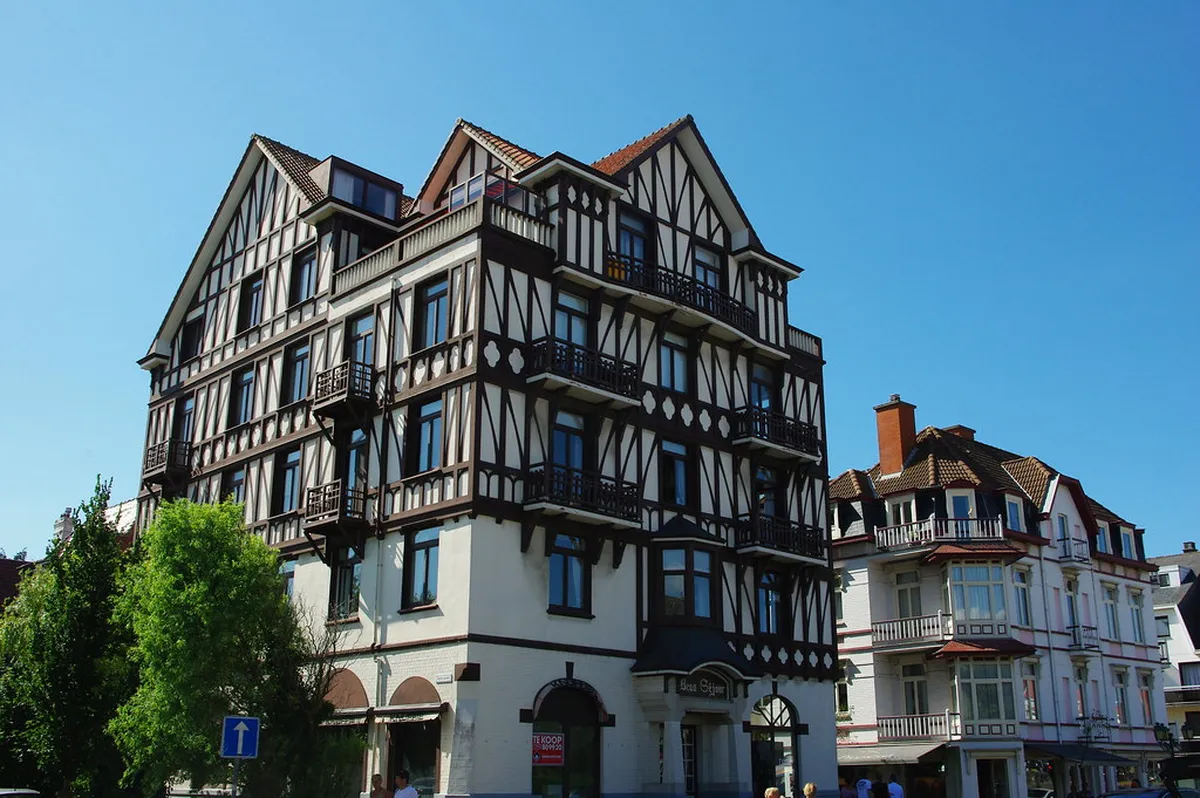
Maison Belle Époque architecture defines the unique elegance of the city of Épernay. This historic building represents the absolute pinnacle of luxury in France today. Travelers visit this site to experience true French heritage during their 2025 holidays. You can explore many examples of architecture in Épernay during your next stay.
The Historical Context of the Belle Époque
The Belle Époque era lasted from the late 1800s until 1914 in France. This period brought immense wealth to the famous Champagne region of northern France. Architects used this wealth to create elaborate and highly decorative private mansions. Maison Belle Époque architecture emerged as a primary symbol of this regional prosperity.
The building was originally constructed for the Gallice family during the year 1850. It reflects the neoclassical trends that dominated early French residential building design. Later additions added the ornate details we admire today in 2025. These designs often featured local limestone and intricate ironwork on the exterior.
Many owners wanted to show off their status through unique building design. They hired famous architects to create unique and lasting impressions for visitors. These homes were built along the famous Avenue de Champagne architecture strip. Each house competed to be more beautiful than the next property.
The era focused on beauty, optimism, and significant technological progress in construction. Builders used new techniques to support larger windows and more open interiors. This changed how people lived and entertained in these grand French houses. The mansion remains a perfectly preserved example of this optimistic historical period.
Architectural Features of Maison Belle Époque
The façades of these buildings often use soft and bright white limestone. This material allows for fine carving and very delicate ornamental floral details. Maison Belle Époque architecture uses symmetry to create a great sense of balance. You will notice large windows that let in plenty of light today.
The ironwork on the balconies shows incredible craftsmanship and artistic skill. These metal pieces often feature floral patterns and flowing, organic natural curves. Such details are characteristic of the high-end residential styles found in Épernay. Artisans spent months perfecting these unique and hand-forged decorative elements.
Inside, the rooms feature high ceilings and polished dark wooden floors. The layout was designed for hosting grand parties and large social events. Modern visitors can see these preserved features during private tours in 2025. The transition between indoor and outdoor spaces remains very fluid and natural.
Structural integrity was a priority for the original builders of the mansion. They used heavy stone blocks to ensure the building would last centuries. The roof features traditional slate tiles that protect the structure from rain. These elements combine to create a timeless and sturdy architectural masterpiece.
Perrier-Jouët and the Art Nouveau Connection
The Perrier-Jouët family transformed this mansion into a private museum of art. They focused on the Art Nouveau movement which gained popularity much later. This style heavily influenced the Maison Belle Époque architecture over many long decades. You can view the Perrier-Jouët Art Nouveau collection inside the house.
The collection includes original furniture and glassware from many famous French artists. Emile Gallé created many of the floral designs used on champagne bottles. These patterns match the architectural motifs found throughout the grand residential house. It creates a unified aesthetic between the building and the fine art.
You might also see some Hector Guimard influences in Épernay within the structure. Guimard was known for his work on the Paris Metro entrances. His organic style influenced several parts of the mansion's exterior ironwork design. This makes the property a rare and valuable gem of design.
Art Nouveau brought a sense of movement to the static stone walls. Designers used curves to mimic the stems of vines and exotic flowers. These details are visible in the window frames and the grand staircase. The mansion is now home to the largest Art Nouveau collection.
Restoring Heritage in the Modern Era
Maintaining Maison Belle Époque architecture requires constant care and expert local knowledge. Specialist craftsmen work tirelessly to preserve the limestone and historical iron. They use traditional methods to ensure the building stays authentic in 2025. These efforts keep the history of Épernay alive for future generations.
The process of restoring historic Champagne houses is often very expensive and complex. Owners must follow strict rules to protect the heritage status of buildings. They often use local materials to match the original construction perfectly. This dedication ensures that the mansion remains a top tourist site.
Today, the mansion serves as a guest house for very important visitors. It offers a glimpse into the lifestyle of wealthy wine merchants. Guests can enjoy the perfect blend of history and modern comfort. The restoration work has successfully modernized the interior systems very discreetly.
Digital scanning helps architects track the condition of the stone walls today. This technology allows for precise repairs without damaging the original materials. Many experts consider this building a model for heritage preservation in France. It continues to inspire architects who work on historical restoration projects.
The Role of Limestone in Épernay Structures
Limestone is the foundation of Maison Belle Époque architecture in this region. This stone was quarried from the local hills found around the city. It is soft enough for carving but remains very durable over time. Many buildings in Épernay use this specific and beautiful white stone.
Builders chose this material because it reflects the natural light beautifully. It gives the mansion a bright and very clean physical appearance. The stone acts as a natural insulator for the large interiors. This keeps the house cool during the hot French summer months.
Maintaining the limestone requires regular professional cleaning and careful repair work. Dust and pollution can damage the soft surface over many years. Experts use gentle techniques to preserve the original stone carvings safely. This work ensures the mansion looks new for visitors in 2025.
Large blocks of stone provide immense structural stability to the entire house. These blocks were carved by hand during the middle nineteenth century. You can see the tool marks on some older interior sections. This craftsmanship is rare in modern construction projects found today.
The Significance of the Estate Gardens
The gardens surrounding the mansion are equally impressive and very beautiful. They were designed to complement the Maison Belle Époque architecture perfectly. The layout includes manicured lawns and many seasonal flower beds. Visitors can walk through these peaceful spaces throughout the year 2025.
The gardens feature several elegant statues and historic stone fountains from the era. These artistic elements add to the romantic and peaceful atmosphere of the property. Large oak trees provide plenty of shade for the many outdoor walking paths. The overall design follows the classic and structured French formal garden style.
Landscape architects worked closely with the house builders originally. They wanted a seamless flow between the home and the surrounding nature. This garden design highlights the symmetry of the main limestone building. It serves as a lush green frame for the ornate façade.
There are specific zones for different types of local French plants. Roses are a popular choice for the garden borders here. The sweet scent of flowers fills the air during the summer. This makes the estate a truly sensory experience for every guest.
Frequently Asked Questions
When was the Maison Belle Époque built?
The main structure was originally built in 1850 for local residents. It has undergone several renovations to enhance its decorative French features. The building remains a prime example of nineteenth-century residential design.
Can tourists visit the interior of the mansion?
Tours are usually limited to private guests and organized wine events. You should check the official schedule before planning your trip in 2025. Most people enjoy viewing the stunning exterior from the main avenue.
What defines the Maison Belle Époque architecture style?
This style is defined by neoclassical symmetry and ornate Art Nouveau details. It features high-quality limestone, elaborate ironwork, and large, elegant windows. The style represents the wealth and optimism of the pre-war era.
Maison Belle Époque architecture is a must-see for any design lover. It tells the story of wealth, art, and champagne in Épernay. Plan your visit in 2025 to see this incredible landmark yourself. Book a local tour to discover more hidden architectural gems today.
Key Takeaways
- Visit the Avenue de Champagne to see the best façades.
- Look for the Art Nouveau ironwork on the balconies.
- Book a private tour in advance for 2025 visits.
- Notice the local limestone used in the construction.