
Moët & Chandon Mansion Facade: Épernay Guide
Explore the stunning Moët & Chandon mansion facade in Épernay. Discover 2025 architecture tips and booking secrets for this French landmark today!
On this page
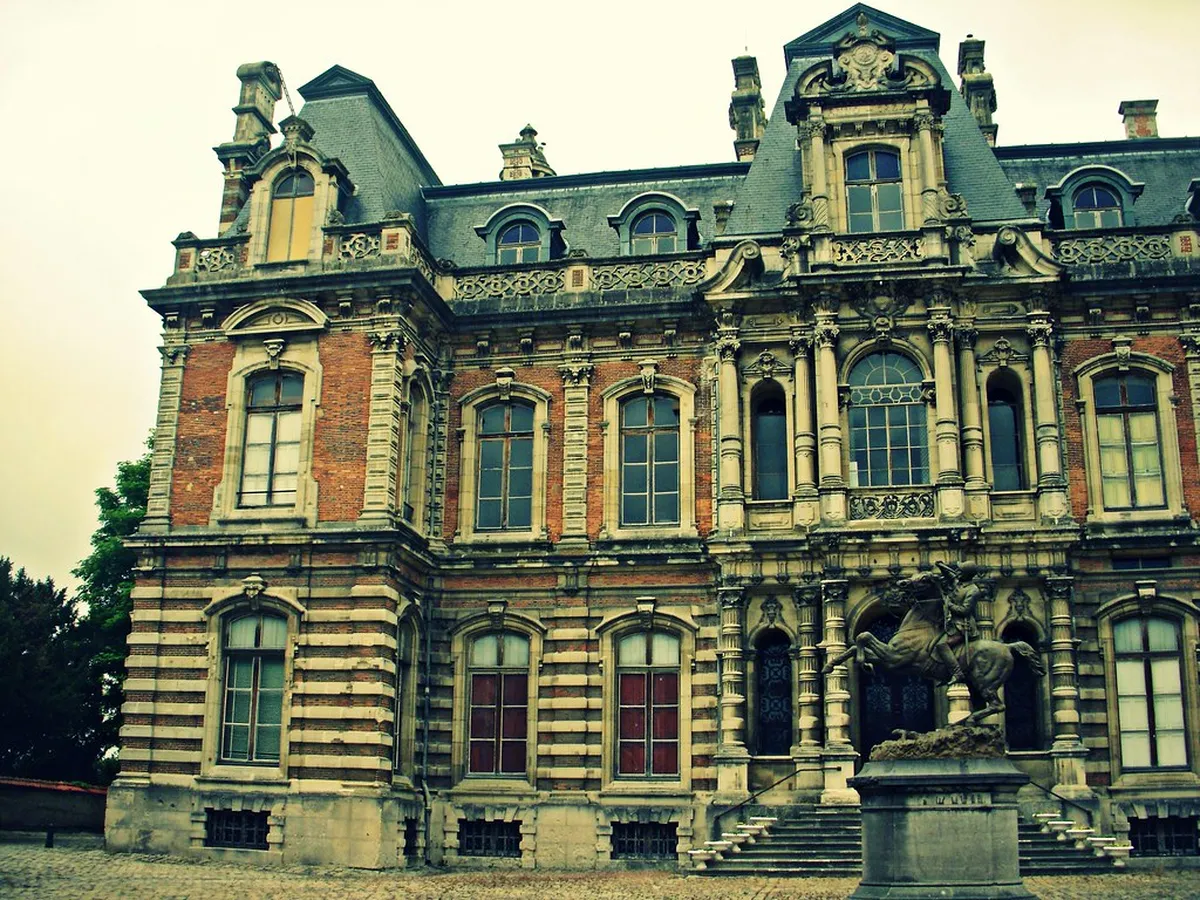
The Moët & Chandon mansion facade serves as a breathtaking example of 18th-century French architectural design and luxury. This iconic structure represents the prestige and global influence of the world's most famous champagne house today. Visitors to the city often stop to admire the symmetry and balance of this grand neoclassical masterpiece.
The golden limestone walls shimmer under the morning sun on the famous Avenue de Champagne in Épernay. Each decorative detail on the facade tells a story of the region's prosperous winemaking and social history. You will find that the building remains a focal point for travelers exploring the historic Champagne region.
The History of the Moët & Chandon Mansion Facade
The Moët family established this magnificent estate during the middle of the 18th century to showcase their wealth. They commissioned architects to design a building that matched the superior quality of their famous sparkling wine products. This structure has hosted many influential historical figures including emperors and world leaders throughout the following centuries.
Emperor Napoleon Bonaparte visited this site several times during his reign to meet with Jean-Rémy Moët personally. His friendship with the Moët family helped elevate the brand to an international status that remains strong today. The facade stands as a permanent testament to the golden era of French champagne production and elite society.
Exploring the architecture in Épernay reveals how this specific mansion influenced other local builders during the Victorian era. Many nearby structures attempted to replicate the grand scale and elegant proportions of this particular private residence. It survived major conflicts and remains a well-preserved symbol of the city's unique cultural and industrial heritage.
Today, the mansion continues to serve as the official reception center for the prestigious Moët & Chandon brand. Staff maintain the exterior stone and decorative ironwork with incredible precision to preserve its original historical character. You can feel the weight of history as you stand before the grand entrance on the main road.
Features of Avenue de Champagne Architecture
The Avenue de Champagne architecture is world-famous for its incredible concentration of luxury mansions and deep wine cellars. Each grand house along this historic street tells a unique story of commercial success and high artistic ambition. The Moët & Chandon facade remains the most recognizable and frequently photographed landmark on this entire expensive boulevard.
Neoclassical elements define the primary aesthetic of these grand merchant houses built during the 18th and 19th centuries. You will notice perfectly symmetrical windows and ornate wrought-iron balconies that highlight the wealth of the original owners. These designs became standard for the champagne industry during the massive economic boom of the late 1800s period.
Key architectural highlights of the Moët estate include:
- Symmetrical window arrangements that provide a sense of balance and formal order to the main exterior.
- Intricate wrought-iron railings that feature custom designs representing the prestige of the Moët and Chandon families.
- Grand pediments located above the central windows which feature classical sculptures and traditional French heraldic symbols.
Local artisans used premium white limestone from nearby quarries to create these impressive and very durable facade structures. This specific building material gives the mansions a warm and creamy glow during the sunny hours of the day. It creates a cohesive and professional look across the entire length of this protected UNESCO world heritage site.
Architectural Elements of the Main Entrance
The main entrance provides a spectacular view of the entire Moët & Chandon mansion facade for arriving international guests. Large wooden double doors invite visitors into a world of refined luxury and centuries of French winemaking tradition. The stone carvings located directly above the entrance show the incredible level of craftsmanship available during that time.
Look closely at the delicate pilasters flanking the central doorway to appreciate the subtle vertical lines of the design. These decorative elements add a significant sense of height and royal grandeur to the relatively modest two-story structure. They reflect the heavy influence of ancient Greek and Roman styles on French architects during the neoclassical movement.
The central courtyard area enhances the visual impact of the mansion facade by providing a formal paved transition zone. This open space allows for a spacious buffer between the busy modern street and the private historic house. This specific layout was very common for high-status French residences belonging to the wealthy merchant and noble classes.
Visitors often notice the small ornamental details like the carved rosettes and classical moldings around the upper window frames. These small touches demonstrate the extreme attention to detail that defined the luxury market during the 1700s era. The entrance remains the perfect place to start your architectural tour of this massive champagne production estate.
The Role of Underground Architecture
The beauty of the Moët & Chandon mansion facade hides an even larger world of construction located directly below. Beneath the primary mansion lie twenty-eight kilometers of chalk tunnels designed specifically for aging the finest champagne bottles. The underground architecture of champagne cellars is truly a breathtaking feat of engineering and manual labor.
These deep cellars maintain a constant cool temperature throughout the entire year without the need for modern cooling systems. This natural climate control is absolutely essential for the delicate secondary fermentation process required for high-quality sparkling wines. The rough stone walls reflect the unique geological history of the Champagne region and its ancient prehistoric seabed.
Guests can descend into these mysterious tunnels through a hidden staircase located inside the main reception of the mansion. The transition from the sunny limestone facade to the dark chalk cellars creates a very memorable sensory experience. It highlights the dual nature of these estates as both grand homes and functional industrial winemaking facilities.
The vaulted ceilings in the lower levels show the incredible skill of the original stone masons and cellar workers. These arches support the weight of the massive mansion and the busy street traffic located directly above them. Exploring these depths provides a complete understanding of why this specific architectural style developed in the Épernay region.
Photography Tips for the Best Views
Capturing a perfect photo of the Moët & Chandon mansion facade requires careful planning and the right environmental timing. Bright morning light provides the best possible illumination for the white limestone surfaces and the dark metal details. You should aim to arrive early in the day to avoid the large crowds of daytime tour groups.
Position yourself on the opposite side of the Avenue de Champagne to capture a full wide-angle view of the facade. This specific perspective allows you to frame the entire symmetrical design within a single high-quality photographic shot. Using a steady tripod will help you capture the sharpest details of the intricate stone carvings and moldings.
Golden hour during the late afternoon also creates stunning visual effects on the old stone of the mansion facade. The warm orange light highlights the deep textures of the carvings and creates long shadows across the private courtyard. Your 2025 travel photos will look professional if you use these natural lighting conditions to your full advantage.
Try to include some of the green foliage or the iconic brand signage in the corner of your frame. These elements provide context and color contrast against the neutral tones of the historic 18th-century French limestone walls. A low-angle shot can also make the building look even more imposing and grand for your social media.
Frequently Asked Questions
Where is the Moët & Chandon mansion facade located?
You can find this iconic building at 20 Avenue de Champagne in the city center of Épernay, France. This central location makes it very easy for tourists to find while walking through the historic district. Most visitors arrive here after a short walk from the local Épernay train station.
Can I tour the inside of the Moët & Chandon mansion?
Yes, the house offers several guided tours that include a look at the historic reception rooms and cellars. These tours provide deep insights into the history of the facade and the families who lived there. It is highly recommended to book your tickets online well in advance for 2025.
What is the best time of year to visit Épernay?
Late spring and early autumn offer the most pleasant weather for walking along the famous Avenue de Champagne today. The gardens surrounding the mansions are in full bloom during the months of May and June each year. Harvest season in September brings a unique energy to the city and the surrounding local vineyards.
The Moët & Chandon mansion facade remains a must-see destination for every lover of architecture and French wine culture. Its elegant neoclassical design and deep historical roots define the unique spirit of the city of Épernay today. Plan your 2025 trip now to experience the grandeur of this legendary champagne estate in person.
Key Takeaways
- Arrive during the early morning for the best photography lighting on the limestone.
- Book your cellar and mansion tours online several weeks before your planned visit.
- Look for the symmetrical neoclassical details that define the 18th-century French style.
Related reads: architecturebycity.com, unesco world heritage champagne houses, 19th century merchant mansions.