
Renaissance Stonework in Champagne: Portal Secrets
Discover technical details of Renaissance stonework in Champagne. Explore the Portal of Saint-Martin in Épernay with this expert guide for 2025 travelers.
On this page
The Portal of Saint-Martin is a true gem of Épernay. It showcases stunning Renaissance stonework in Champagne from the sixteenth century. This site offers a rare look at French architectural history today. It stands as the only survivor of the original Saint-Martin church.
Visitors in 2025 can admire the intricate details on this historic gate. The portal represents a transition from medieval styles to Renaissance elegance. It serves as a testament to the artistic wealth of this region. Expert stone carvers spent years perfecting every line of this masterpiece.
Historical Context of the Saint-Martin Portal
Construction began around 1540 during the reign of King Francis I. This era marked a significant shift in French building traditions. The portal served as the main entrance to a large parish church. Today, it remains a solitary landmark in a quiet city square.
The original church suffered heavy damage during various European wars. Most of the structure faced demolition in the early twentieth century. Only this ornate entrance was saved due to its high artistic value. It stands as a vital piece of the Portal of Saint-Martin Épernay history.
Historians consider this gate one of the finest examples of regional craft. It reflects the growing influence of Italian design on French soil. The church once dominated the local skyline for hundreds of years. Now, it offers a peaceful spot for architectural study and reflection.
Local authorities maintain the site as a protected historical monument. It provides a direct link to the sixteenth-century prosperity of the city. Walking through the square feels like stepping back into a different time. It is a must-see for anyone visiting the Champagne region.
Technical Analysis of Renaissance Carving
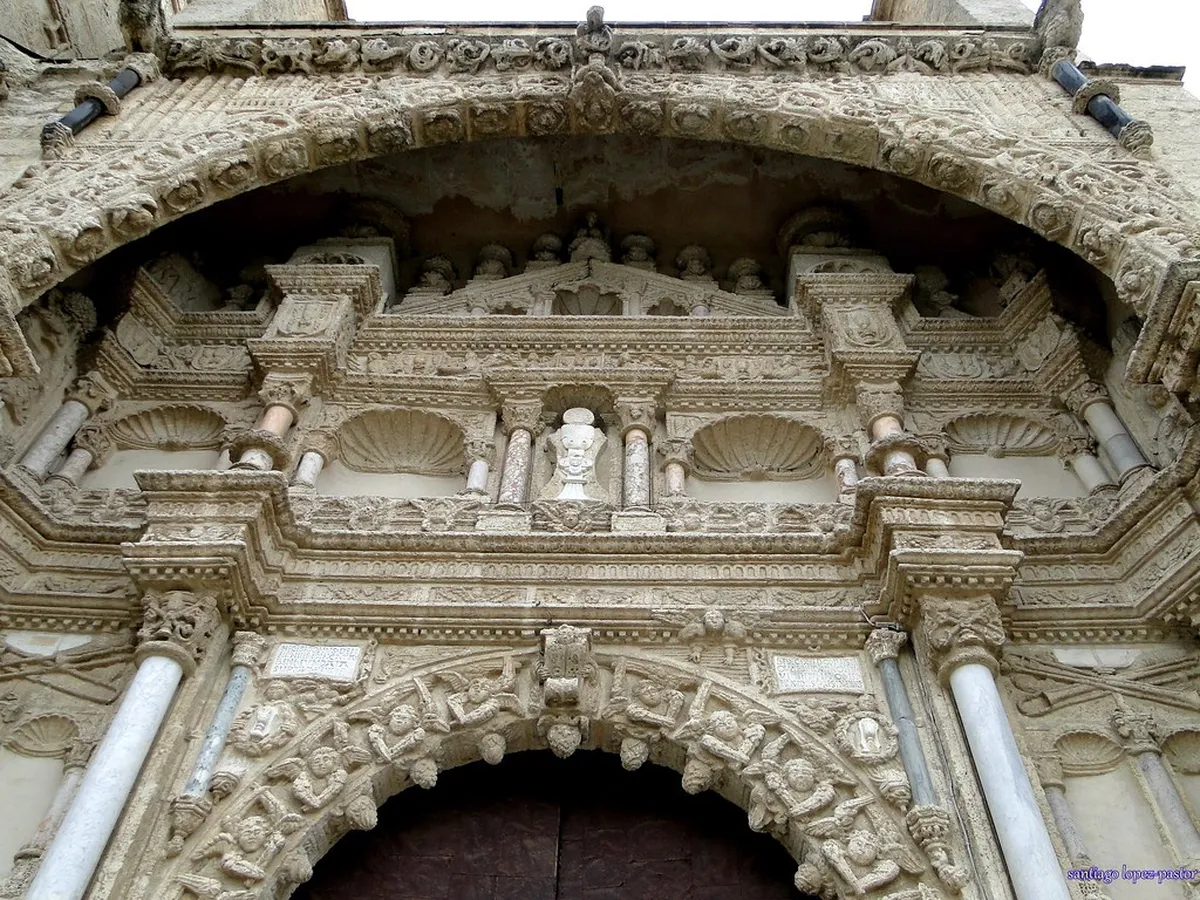
The stonework features high-relief carvings typical of the French Renaissance period. Artisans used soft limestone from nearby hills for these intricate details. This material allowed for extremely fine patterns and smooth textures. The craftsmanship remains visible despite centuries of weathering and natural erosion.
Floral motifs and mythical creatures adorn the entire stone surface. You will notice acanthus leaves and delicate scrolls along the side pillars. These elements demonstrate the high level of skill possessed by local masons. Every curve follows a strict mathematical plan for visual balance.
- Limestone: Sourced from local Lutetian quarries for durability.
- High Relief: Deep carvings that create dramatic shadows at sunset.
- Motifs: Classical figures mixed with local flora and fauna.
The depth of the carvings creates a three-dimensional effect for viewers. This technique was quite advanced for the mid-sixteenth century era. It requires a deep understanding of light and shadow to execute. Each segment of the stone tells a silent story of devotion.
Classical Orders and Design Symmetry
The portal follows the classical orders reintroduced during the Renaissance period. Fluted columns support the heavy upper sections of the gate structure. These columns feature Corinthian capitals with very detailed leaf patterns. The overall design emphasizes a sense of geometric harmony and balance.
A triangular pediment sits at the very top of the portal. This feature is a hallmark of ancient Greek and Roman influence. It provides a formal frame for the central archway entrance. Many oldest buildings in Épernay lack this specific level of classical detail.
The proportions follow the golden ratio used by master Renaissance builders. Each segment relates perfectly to the size of the entire piece. This creates a sense of calm and order for the observer. It stands in contrast to the more chaotic Gothic styles.
The symmetry of the portal is nearly perfect across its vertical axis. This precision highlights the technical expertise of the original design team. Engineers in 2025 still marvel at the accuracy of these measurements. It remains a masterclass in structural aesthetics and formal design.
Materials Used in the Renaissance Stonework
Local Lutetian limestone forms the primary building block of this portal. This material is famous for its warm and golden hue. It hardens significantly over time when it is exposed to air. This characteristic makes it ideal for long-lasting outdoor decorative structures.
The stone was transported from quarries located just outside the city. Large blocks were carefully shaped before being lifted into final position. Small gaps between stones were filled with a traditional lime mortar. This allows the structure to breathe during changing weather conditions.
In 2025, the stone shows a beautiful patina from natural aging. This color varies from soft cream to a deeper ochre tone. It reacts beautifully to the soft light of the Champagne sunrise. The natural minerals in the stone provide a subtle sparkle.
The choice of material reflects the geological heritage of the local area. Many famous wine cellars are carved into this same limestone layer. It provides a consistent architectural language across the entire city landscape. This material bond connects the surface world with the underground.
Preservation Challenges for the Portal
Conservation teams work regularly to clean the delicate stone surface. They use gentle water sprays to remove soot and modern pollution. These efforts ensure the architecture in Épernay remains preserved for future generations. Acid rain remains a primary concern for the fine carvings.
Restoration experts must avoid using harsh chemicals on the limestone blocks. Such substances can cause the stone to flake or change color. They use specialized tools to repair small cracks in the masonry. This careful maintenance prevents water from entering the core structure.
Visitors are encouraged to view the portal from a respectful distance. Touching the stone can transfer harmful oils from human skin. These oils trap dirt and speed up the process of decay. Local signs remind tourists of the fragile nature of this monument.
The city has installed subtle lighting to highlight the portal at night. These lights use low-heat bulbs to protect the stone surface. They allow visitors to enjoy the Renaissance stonework after the sun sets. It creates a magical atmosphere in the historic town center.
Symbolism and Renaissance Motifs
The carvings on the portal contain many hidden symbols and meanings. Shell motifs represent the concept of pilgrimage and spiritual travel. Figures of angels watch over the entrance to the former church. These symbols were intended to educate the largely illiterate local population.
Vines and grapes appear frequently in the decorative stone borders. These motifs celebrate the agricultural wealth of the surrounding Champagne region. It is a rare example of secular and religious themes mixing. The detail in the stone fruit is incredibly lifelike and vibrant.
Geometric patterns signify the order of the universe in Renaissance thought. Squares and circles repeat in a rhythmic pattern across the stone. These shapes represent the perfection of divine creation to the viewer. They provide a structural framework for the more organic floral elements.
Studying these symbols provides insight into the sixteenth-century mind. Every carving served a specific purpose in the overall visual narrative. Modern historians continue to decode the complex messages hidden in stone. It remains a fascinating subject for any art lover.
Frequently Asked Questions
Where is the Portal of Saint-Martin located in Épernay?
The portal is located in a square near the town center. It is easily accessible on foot from the main station. Look for the Place Saint-Martin to find this historic site.
Is there a fee to see the Renaissance stonework?
No, there is no entrance fee to visit the portal. It is a public monument located in an open square. You can view the carvings at any time of day.
What is the best time to photograph the portal?
Late afternoon offers the best light for detailed photography. The sun hits the carvings at an angle to create shadows. This highlights the depth of the Renaissance stone work perfectly.
How long should I spend at the site?
Most visitors spend about twenty to thirty minutes here. This allows enough time to examine the fine details closely. It is a great stop on a walking tour.
The Portal of Saint-Martin is an essential stop for architecture lovers. Its Renaissance stonework in Champagne offers a unique look at the past. Make sure to include this site on your 2025 travel itinerary. You will appreciate the incredible skill of the ancient French masons.
Key Takeaways
- The portal is the last remnant of a 16th-century church.
- It features intricate Lutetian limestone carvings in high relief.
- The design showcases a mix of Italian and French styles.
- The site is free to visit and centrally located in Épernay.
Related reads: architecturebycity.com, remnants of saint martin abbey.