
La Piscine Museum Building History Guide
Explore the La Piscine Museum building history in Roubaix. Discover Art Deco design and industrial heritage in 2025. Plan your French trip today!
On this page
Welcome to the stunning city of Roubaix near Lille. You will find a unique art space inside an old swimming pool. This guide covers the La Piscine Museum building history in great detail. It is a world-class example of creative reuse in France.
The museum is formally known as the Musée d'Art et d'Industrie André-Diligent. It serves as a beacon for art lovers and architecture enthusiasts alike. Many travelers visit Lille specifically to see this beautiful Art Deco site. You can experience the perfect blend of water and sculpture here.
The Social Vision of Jean-Baptiste Lebas
Roubaix was a booming textile center at the start of the twentieth century. The local workers lived in crowded conditions without access to proper sanitation. Mayor Jean-Baptiste Lebas decided to build a temple dedicated to hygiene. He believed that the working class deserved access to beautiful public spaces.
Lebas chose a site near the heart of the city's industrial district. This location made the facility accessible to the thousands of laborers. The project was part of a broader movement to improve urban living. It reflected a deep commitment to the welfare of the local community.
The architect Albert Baert received the prestigious commission to design the bathhouse. He was a prominent figure known for his work in northern France. Baert spent years planning every detail to ensure the building was stunning. The site remains a core part of the industrial heritage architecture Roubaix-Lille region today.
Construction began in 1927 during a period of economic growth for textiles. Skilled craftsmen used the finest materials to create the elaborate mosaics. The project took five years to complete due to its complexity. It officially opened its doors to the public in the year 1932.
Designing an Art Deco Masterpiece
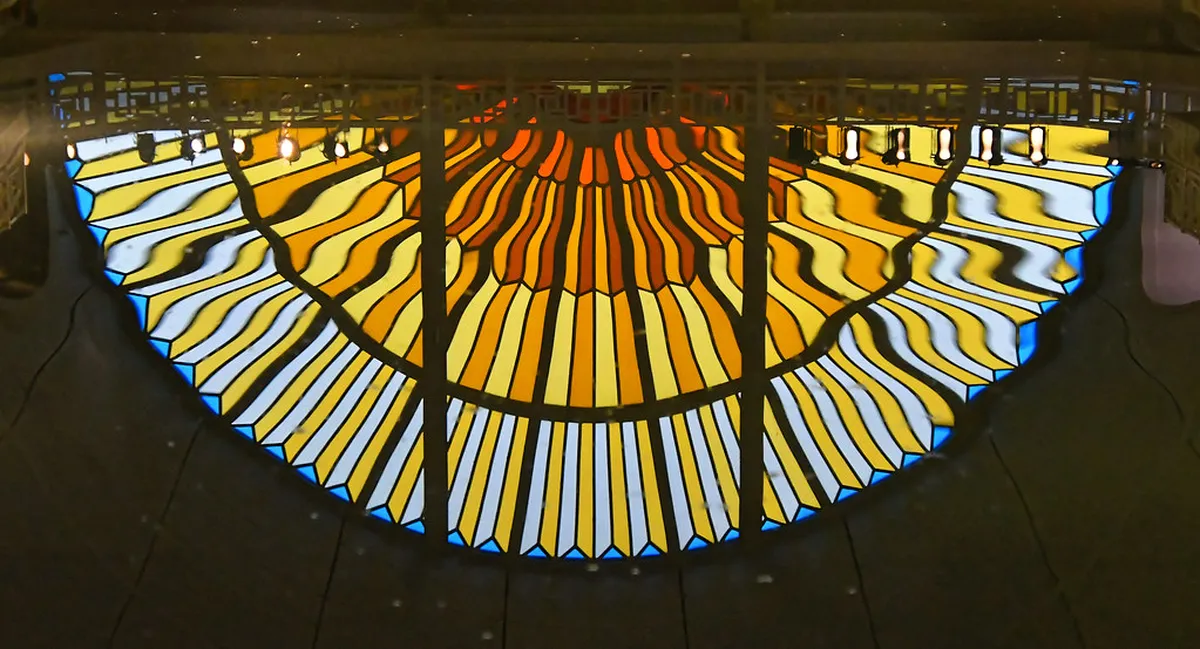
The architecture of the pool is famous for its massive stained-glass windows. These windows represent the rising and setting sun at each end. They cast colorful light across the water throughout the day. This effect creates a religious atmosphere within a secular public building.
Albert Baert drew inspiration from the layout of a Cistercian abbey. The pool mimics the shape of a nave in a church. This choice elevates the act of bathing to something spiritual. It is one of the most famous Art Deco buildings in Lille and its suburbs.
Original mosaic tiles still line the floors and walls of the space. These decorative elements highlight the craftsmanship of the early thirties. Visitors can see the intricate patterns that once welcomed bathers daily. It is a rare survivor of French interwar period architecture.
The swimming pool was much more than a place for exercise. It functioned as a social hub for the local community for decades. People from all walks of life came here to wash. The building combined modern engineering with traditional artistic flair perfectly.
The Transition from Pool to Museum
The swimming pool closed its doors to swimmers in 1985 for safety. Its structure had suffered from the humid environment over many years. The city faced a choice between demolition or a new purpose. Local leaders decided to preserve the building for future generations.
In 1990, the conversion into a museum officially began under careful supervision. Architect Jean-Paul Philippon led the massive renovation project for the city. He aimed to maintain the original spirit while creating modern galleries. The result is a seamless transition from bathhouse to art gallery.
Walking through the museum feels like a journey back in time. The old shower cabins now serve as small display cases for art. You can see delicate ceramics and textiles behind the original doors. This clever reuse of space keeps the history alive.
The main pool area is the heart of the entire museum. A narrow strip of water remains in the center for effect. Sculptures stand along the edges as if they are preparing to dive. The acoustics of the high ceiling add to the experience.
The 2018 Expansion and Modern Features
The museum reopened in 2001 to massive international acclaim and praise. However, its popularity meant that the space soon became too small. A large expansion project was launched to house growing art collections. This new wing opened in 2018 to accommodate more visitors.
The expansion added 2,300 square meters of new exhibition space. It includes a gallery dedicated to the history of Roubaix itself. You can also find a new workshop area for educational programs. The modern addition complements the brick industrial style of the original.
One highlight is the reconstruction of the sculptor Henri Bouchard’s studio. This space brings his massive stone works into a natural setting. It allows visitors to see the scale of industrial-era artistic production. The museum now manages to tell multiple stories simultaneously.
If you enjoy modernist design, consider visiting the nearby Villa Cavrois modernist masterpiece as well. Both sites show the architectural richness of the Lille metropolitan area. They represent different facets of northern France's design legacy. The museum expansion ensures the site remains relevant.
Interior Details and Artistic Collections
The museum collection focuses largely on the 19th and 20th centuries. You will find works by famous artists like Rodin here. There is also a strong emphasis on the local textile history. Roubaix was once the world capital of wool production.
Lighting plays a crucial role in how the art is viewed. The sun streams through the eastern window every morning. In the evening, the western window glows with a warm light. These natural changes make every visit feel completely unique.
Visitors can explore the fashion and textile galleries on the upper floors. These displays honor the industrial past of the surrounding city. You will see how clothing design evolved over the last century. The curation bridges the gap between industry and fine art.
The garden area provides a peaceful retreat for museum guests. It features several modern sculptures and local plant species. You can enjoy the view of the museum's brick exterior here. It is a perfect spot for reflection after your tour.
Practical Tips for Your 2025 Visit
La Piscine is located at 23 Rue de l'Espérance in Roubaix. You can reach it easily by taking the Lille Metro. Get off at the Gare Jean-Lebas station for a walk. The museum is open from Tuesday to Sunday every week.
Adult tickets usually cost around 11 to 15 Euros in 2025. Prices may vary depending on the current temporary exhibitions. We recommend booking your tickets online to avoid long queues. Guided tours are available in several languages for tourists.
Plan to spend at least three hours exploring the different wings. There is a lovely restaurant located in the old tea room. It serves local northern French dishes in a historic setting. The gift shop offers unique souvenirs based on the design.
The museum is fully accessible for visitors with limited mobility today. Elevators and ramps connect the different levels of the bathhouse complex. Staff members are very helpful and can provide assistance. It is a family-friendly destination with activities for children.
Frequently Asked Questions
When was the La Piscine Museum building constructed?
The building was constructed between 1927 and 1932. It served as a public swimming pool for fifty years. Architect Albert Baert designed it in a stunning style. It reopened as a museum in 2001.
What is the primary style of the museum architecture?
The museum is a prime example of Art Deco design. It features ornate mosaics and symbolic stained-glass windows. The design mimics the layout of a traditional abbey. It is a landmark in the Lille metropole.
Is the swimming pool still filled with water?
A small portion of the pool remains filled with water. This feature helps maintain the original atmosphere of the site. However, the water is strictly for decorative purposes today. Sculptures are placed beautifully along the water's edge.
How do I get to La Piscine from central Lille?
You can take the Metro Line 2 toward Roubaix. The journey from Lille Flandres takes about twenty-five minutes. Exit at the Jean Lebas station to reach it. It is an easy trip for visitors.
The La Piscine Museum building history is a story of beauty. This site proves that old industrial spaces have second lives. Visit Roubaix in 2025 to see this architectural jewel. You will leave with a deep appreciation for heritage.
Key Takeaways
- The museum is housed in a former 1930s Art Deco swimming pool.
- Massive stained-glass windows symbolize the rising and setting sun.
- The 2018 expansion added significant space for modern art and history.
Related reads: architecturebycity.com, architecture in lille.