
Rem Koolhaas Euralille Masterplan Guide
Explore the Rem Koolhaas Euralille masterplan in Lille. Learn about this 2025 architecture hub and plan your visit with our expert guide today.
On this page
The Rem Koolhaas Euralille masterplan stands as a testament to the power of bold urban design. This massive project transformed the city of Lille into a major European transit hub during the late 1990s. Visitors to Lille in 2025 will find a city that blends history with this modern hub. This case study examines how the masterplan redefined the physical and social landscape of the region.
The project serves as a vital bridge between the historic center and new suburban areas of the city. Rem Koolhaas used the concept of urban congestion to define the intense energy of the entire space. You can explore the Euralille contemporary architecture hub to see these concepts in person. The site remains a primary example of how high-speed rail can drive significant economic growth.
The Bold Vision for Euralille
The Rem Koolhaas Euralille masterplan rejected traditional European city planning methods from the very beginning. Koolhaas embraced the concept of Bigness to manage the massive scale of the new TGV train station. He wanted to create a sense of urban density that would attract international business and travel. The plan focuses on the flow of people through large and deeply interconnected urban spaces.
The design of the masterplan intentionally avoids the quaint feeling of many older European city centers today. Koolhaas chose to emphasize the speed and scale of modern transportation within the heart of Lille. This approach creates a unique atmosphere where trains and pedestrians move in a synchronized urban dance. The masterplan remains a controversial yet highly successful model for modern European urban development projects.
Koolhaas used various layers of infrastructure to build a multi-level experience for every visitor to the site. Pedestrians move on elevated walkways while high-speed trains rush through tunnels directly beneath their feet. This vertical separation allows for a high density of activities within a relatively small urban footprint. The result is a vibrant district that feels both futuristic and highly functional for daily commuters.
The vision also included the integration of vast commercial spaces and public plazas across the entire site. These areas provide places for people to gather and interact outside of their offices or transit hubs. Koolhaas believed that the mixture of different functions would create a more resilient and active urban environment. Today, the district continues to serve as the economic heart of the northern French region.
Key Landmarks of the Masterplan
The Euralille site features work from several world-renowned architects who collaborated under the guidance of Rem Koolhaas. One of the most famous structures is the Jean Nouvel Tour Lille Europe. This glass tower stands tall over the train station tracks and reflects the changing French sky. It offers a striking visual anchor for the entire northern side of the masterplan area.
Christian de Portzamparc also designed a nearby tower with a very distinctive and recognizable L-shape. This building is often called the ski boot due to its unique silhouette on the Lille city skyline. It provides high-quality office space while contributing to the architectural diversity of the modern business district. These towers represent the high-density goals that Koolhaas set for the original urban masterplan.
The Zenith concert hall is another key part of the Rem Koolhaas Euralille masterplan design. This oval building can host thousands of people for musical events and large cultural gatherings in Lille. The use of corrugated metal and glass creates a raw and industrial aesthetic for the large hall. It stands as a symbol of the cultural rebirth that the project brought to the region.
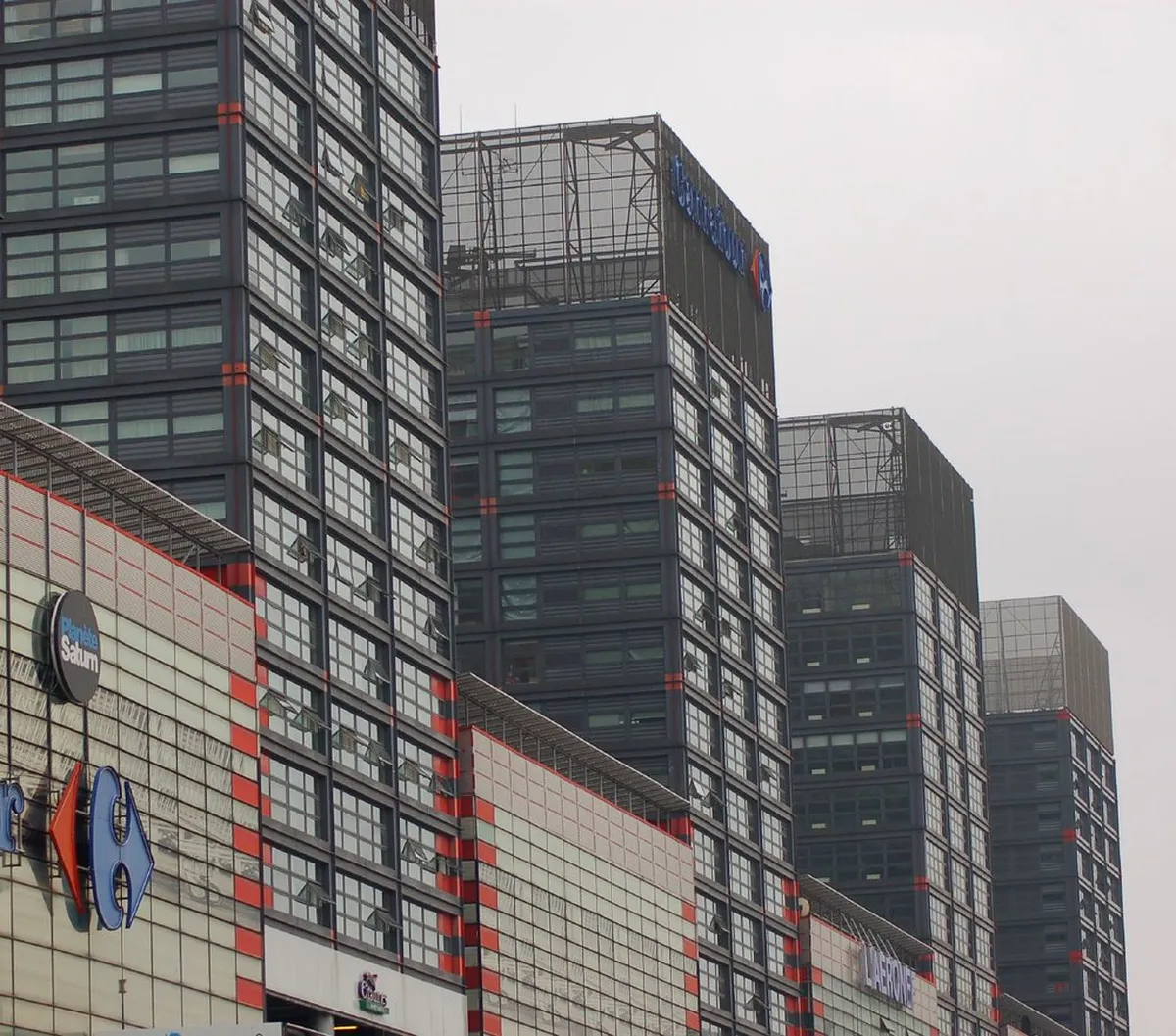
The Westfield Euralille shopping center acts as the primary social and commercial connector for the whole district. This massive building features a roof that resembles a giant wing hovering over the busy city streets. It houses over one hundred shops and restaurants that serve both locals and international travelers every day. The mall remains one of the busiest retail destinations in all of northern France.
Urban Connectivity and Infrastructure
The infrastructure beneath the buildings is just as complex as the towers that rise above the ground. Massive parking garages and train tunnels support the weight of the entire commercial and residential district. Koolhaas used these layers to create a three-dimensional urban experience for everyone who visits the site. This design captures the fast pace of modern life in a connected and globalized European society.
The high-speed TGV rail lines connect Lille to Paris, London, and Brussels in under ninety minutes. This connectivity was the primary driver for the creation of the Rem Koolhaas Euralille masterplan. The station acts as a gateway that brings millions of travelers through the heart of the city. Koolhaas ensured the station felt like a natural extension of the public urban fabric.
The project also includes a complex network of bridges and walkways that link the district to Vieux Lille. These paths allow pedestrians to move safely between the historic center and the new contemporary architecture hub. The architecture in Lille now offers a perfect blend of historic charm and modern innovation. Walking through these connections provides a clear view of the city's impressive urban evolution.
Effective public transportation remains a core component of the masterplan's long-term success for the local community. The site integrates the metro, tram, and bus lines into a single and easy-to-use transit node. This integration makes Euralille the most accessible point in the city for workers and tourists alike. The design prioritizes the movement of people over the movement of private cars in the center.
Planning Your 2025 Visit to Euralille
Visiting Euralille in 2025 is a very simple process for any traveler who is exploring northern France. The district is located right next to the Lille-Europe railway station on Place François Mitterrand. You can easily walk through the entire masterplan area in about two or three hours on foot. Most of the outdoor architectural viewing is completely free for members of the general public.
The Westfield Euralille shopping center is open from 10:00 to 20:00 for your convenience throughout the week. You can find many affordable dining options inside the mall while you take a break from walking. We recommend starting your tour at the station to appreciate the massive scale of the architectural design. The morning light provides the best opportunities for photography of the glass towers and metal structures.
Guided tours of the district are available for those who want to learn more about the specific history. You can book these tours through the local tourism office located near the historic Grand Place. These experts provide deep insights into the work of Rem Koolhaas and his team of architects. Expect to pay around fifteen Euros for a standard walking tour of the contemporary district.
The best way to reach the site from Paris is by taking the high-speed TGV train. The journey takes only one hour and brings you directly into the heart of the Euralille district. Make sure to wear comfortable walking shoes as the site covers a large area of urban terrain. You will enjoy the contrast between the modern steel buildings and the nearby green public parks.
The Legacy of Koolhaas in Lille
The legacy of the Rem Koolhaas Euralille masterplan continues to influence urban planners around the entire world. It proved that a bold and modern intervention could save a city from economic and social decline. Lille transformed from a struggling industrial center into a thriving hub for international business and tourism. The masterplan provided the physical framework that was necessary for this remarkable transition to occur.
Many critics originally feared that the project would feel too cold or disconnected from the local culture. However, the district has become a beloved part of the city for many younger residents and professionals. The mix of uses ensures that the area remains active during both the day and the night. It serves as a living laboratory for the concepts of density and urban congestion today.
Koolhaas demonstrated that architecture could be used as a powerful tool for regional and national political goals. The Euralille project was a key part of the French strategy to integrate with the European Union. By building a world-class transit hub, Lille secured its place on the map of important European cities. The project remains a source of pride for the people of northern France in 2025.
Future developments in the area continue to follow the principles that were established by the original masterplan. New buildings are designed to maintain the high density and mixed-use nature of the existing contemporary district. The influence of Koolhaas can be seen in the way the city approaches every new infrastructure project. Euralille stands as a permanent monument to the possibilities of visionary and large-scale urban design.
Frequently Asked Questions
What is the primary goal of the Rem Koolhaas Euralille masterplan?
The primary goal was to transform Lille into a major European transit and business hub. Koolhaas used high-density design to maximize the potential of the new high-speed rail connections. This project successfully revitalized the local economy through modern urban infrastructure and bold contemporary architecture.
Is it free to explore the architecture of the Euralille district?
Yes, it is completely free to walk through the public plazas and view the building exteriors. The train station and the shopping center are also open to the public without any cost. You only need to pay if you choose to join a professional guided architectural tour.
How long does it take to walk through the Euralille site?
Most visitors can see the main highlights of the masterplan in about two hours of walking. The site is very compact and designed for easy pedestrian movement between the major architectural landmarks. You should allow more time if you plan to shop or eat in the district.
The Rem Koolhaas Euralille masterplan remains a shining example of modern urbanism that you must see in 2025. It successfully combined transportation, commerce, and culture into a single and highly functional district in northern France. Plan your trip to Lille today to experience this masterpiece of contemporary design for yourself. We hope this guide helps you enjoy the incredible architectural landscape of this vibrant French city.
Key Takeaways
- The masterplan transformed Lille into a central European transit hub using high-speed rail.
- Key architects like Jean Nouvel and Christian de Portzamparc contributed iconic towers to the site.
- Visitors can easily explore the entire district on foot starting from the Lille-Europe station.
Related reads: architecturebycity.com, christian de portzamparcs lille grand palais, flemish baroque architecture in lille.