
Saving the Villa Cavrois Restoration Project
Discover the Villa Cavrois restoration project in Lille. Learn how this 2025 landmark was saved from ruin. Plan your visit to this masterpiece today!
On this page
The Villa Cavrois restoration project stands as a monumental achievement for the preservation of modern architectural history in France. This iconic building serves as a definitive example of the Villa Cavrois modernist masterpiece designed by Robert Mallet-Stevens. The house was originally commissioned by the textile industrialist Paul Cavrois for his large family during the early 1930s. Visitors can now explore the property and appreciate the incredible effort required to save it from total destruction.
The restoration of this grand estate required over a decade of meticulous work by highly skilled French craftsmen. Every room in the house tells a unique story of survival against decades of neglect and intentional human vandalism. Today the villa represents a triumph of heritage conservation that attracts thousands of architecture enthusiasts to the Lille region. It offers a rare window into the luxurious lifestyle and innovative design principles of the early twentieth century.
The Origins of a Modernist Landmark
Robert Mallet-Stevens was a leading figure in the French modern movement during the early part of the last century. He believed that architecture should be a total work of art encompassing every single visual and structural element. This philosophy is clearly visible in every corner of the vast and impressive Villa Cavrois estate near Lille. The building was completed in 1932 and immediately became a controversial symbol of modern luxury and radical design.
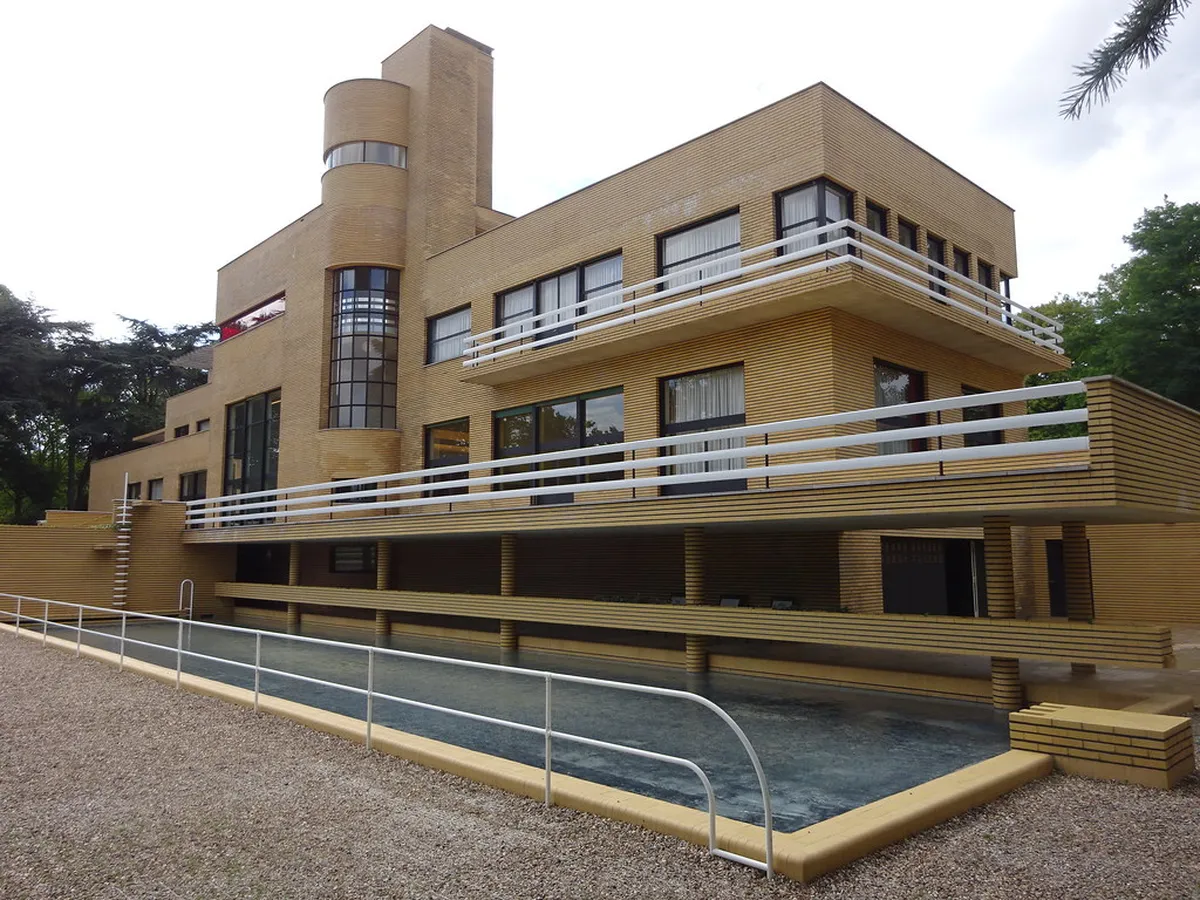
The exterior of the house is defined by its striking yellow brick facade and long horizontal lines of glass. Mallet-Stevens rejected the traditional ornamentation of the era in favor of clean lines and functionalist geometric shapes. This approach created a building that looked remarkably futuristic compared to the surrounding traditional mansions in the Croix area. The villa featured a large swimming pool and several sun terraces to promote the health of the residents.
Inside the villa the architect used a palette of rich materials to define the specific functions of each room. He integrated the latest technologies of the time including central heating and a complex system of electric clocks. These features were revolutionary for a private residence during the height of the Great Depression in Northern France. The house was truly ahead of its time and served as a functional family home for many years.
The site remains one of the few surviving examples of a complete residential project by the famous Robert Mallet-Stevens. It serves as an essential case study for students who are interested in the evolution of modern European architecture. The scale of the property allowed the architect to experiment with space and light in ways rarely seen before. Exploring these origins helps visitors understand why the preservation of this specific site was so vital for culture.
Years of Abandonment and Near Destruction
The story of the villa changed dramatically after the Cavrois family finally sold the property in the late 1980s. A developer purchased the house with the intention of demolishing it to build several smaller luxury residential units. This sparked a major legal battle between the new owner and local heritage activists who wanted to save it. During this long period of legal uncertainty the house was left completely open to the elements and vandals.
The interior of the villa was stripped of its valuable marbles and exotic wood panels by various thieves. Graffiti covered the walls while rain poured through holes in the roof and destroyed the delicate structural concrete. The beautiful gardens became a wild forest and the iconic mirror pool was filled with trash and muddy water. It seemed that the modernist masterpiece was destined to become a forgotten ruin in the heart of Croix.
Fortunately the French state intervened in 2001 and purchased the property to ensure its long-term survival for the public. This intervention marked the beginning of a new chapter for the house and the start of intense research. Experts spent years analyzing old photographs and original blueprints to understand the intended layout and specific material choices. They had to piece together a complex puzzle from a shell of broken bricks and rusted steel beams.
The condition of the site was so poor that many people believed a complete restoration was almost entirely impossible. However the passion of the preservation community drove the project forward through many difficult and expensive technical stages. This period of neglect is now an important part of the history of the villa and its eventual rebirth. It serves as a reminder of how quickly architectural heritage can be lost without proper legal and social protections.
Technical Stages of the Restoration Project
The Villa Cavrois restoration project officially began in 2003 with a focus on stabilizing the crumbling main structural shell. Engineers had to carefully repair the reinforced concrete frame while maintaining the original proportions designed by Mallet-Stevens. They used specialized techniques to inject resin into cracks and replace rusted steel reinforcement bars inside the thick walls. This initial phase was essential to make the building safe for the craftsmen who would follow later on.
One of the most challenging tasks was recreating the unique yellow bricks that cover the entire exterior of the villa. These bricks were originally made by a company that had long since gone out of business after the war. The restoration team had to find a modern manufacturer capable of matching the exact color and texture of the clay. They produced thousands of custom bricks to replace the sections that had been damaged by moisture or physical impact.
Restoring the complex electrical and mechanical systems of the villa required a blend of old and new engineering skills. The team wanted to preserve the original visual appearance of the switches and fixtures while meeting modern safety codes. They hid new wiring and plumbing inside the existing wall cavities to avoid disturbing the clean lines of the design. This careful balance ensures the building remains a functional museum space for thousands of visitors in 2025.
The final stage of the exterior work involved the reconstruction of the large terraces and the iconic central tower. These areas provide spectacular views of the gardens and allow light to flood into the main living spaces below. Each surface was waterproofed using modern materials that are designed to last for many decades into the future. The completion of the exterior restoration revealed the stunning horizontal silhouette that Mallet-Stevens had originally envisioned for Paul.
Materials and Craftsmanship in the Interior
The interior of the villa is a masterclass in the use of luxury materials to create specific atmospheric effects. Restorers worked tirelessly to source matching pieces of green Swedish marble for the walls of the formal dining room. They also had to find rare woods like rosewood and zebrawood to repair the damaged panels in the bedrooms. Every surface was hand-finished to ensure the Villa Cavrois interior design details matched the original 1932 specifications.
The kitchen is another highlight of the restoration because it features pristine white tiling and polished aluminum furniture pieces. It looks incredibly modern even by today's standards and reflects the architect's focus on hygiene and efficient domestic management. The team had to recreate the original built-in cupboards and specialized storage units that had been lost over time. This room demonstrates how Mallet-Stevens applied his artistic vision to the most practical areas of the large family home.
Lighting played a crucial role in the design of the villa and was carefully integrated into the ceiling structures. The restoration project included the fabrication of custom light fixtures based on original drawings found in the national archives. These lamps provide a soft and even glow that highlights the textures of the stone and wood surfaces. It creates a warm and inviting environment that contrasts with the strict geometry of the exterior brick walls.
The grand staircase is a focal point of the interior and features a dramatic combination of marble and steel. Artisans spent months polishing the stone to achieve a mirror-like finish that reflects the natural light from the windows. The handrails were repaired using traditional metalworking techniques to match the smooth curves of the original modern design. This attention to detail is what makes the restoration so successful and historically accurate for modern day visitors.
The Role of Light and Landscape
The gardens of the villa were designed to be an extension of the indoor living spaces through visual alignment. Mallet-Stevens created a long mirror pool that reflects the yellow facade of the house on its calm water surface. During the restoration the pool was completely rebuilt to fix leaks and restore the original circulating water systems. This feature adds a sense of tranquility and symmetry to the entire property when viewed from the main terrace.
Large windows are found throughout the building to ensure that every room receives a significant amount of natural light. The architect used light as a building material to define space and influence the mood of the different inhabitants. Restoring the original window frames was a complex process that involved removing layers of rust and applying protective coatings. These windows now offer clear views of the restored lawns and the surrounding trees of the private parkland.
The landscape restoration also included the planting of specific species that were popular during the early twentieth century era. The team wanted the gardens to look exactly as they did when the Cavrois family first moved in. They used old garden plans to determine the placement of hedges and the variety of flowers in the beds. This work ensures that the building is seen in its proper context as a suburban villa in Lille.
Walking through the gardens allows you to appreciate the scale and the complex geometry of the entire architectural project. The paths are laid out in a way that provides different perspectives of the house as you move around. You can see how the architect used horizontal and vertical planes to create a dynamic and interesting visual experience. The harmony between the house and the land is one of the most successful aspects of the design.
Essential Visitor Information for 2025
Planning a trip to see this masterpiece is a highlight for anyone exploring the diverse architecture in Lille today. The villa is located in the town of Croix which is just a short tram ride from Lille. You should take the tram line R toward Roubaix and exit at the station named Villa Cavrois. From there it is a pleasant ten minute walk through a quiet residential neighborhood to the main entrance.
The site is open to the public every day of the week except for Mondays throughout the entire year. Standard adult tickets cost 11 Euros in 2025 and you can purchase them at the entrance or online. It is highly recommended to book your time slot in advance during the busy summer months and holidays. The villa offers free entry for visitors under the age of eighteen and for residents of the European Union.
Guided tours are available in several languages and provide excellent context regarding the history and the recent restoration work. You should allow at least two hours to fully explore the house the gardens and the permanent exhibitions. There is a small bookshop on site where you can buy detailed monographs about Robert Mallet-Stevens and modernism. The shop also sells unique design objects inspired by the geometric patterns found within the walls of the house.
- Location: 60 Avenue du J-F Kennedy, 59170 Croix, France
- Hours: 10:00 AM to 6:00 PM (Closed on Mondays)
- Price: 11 Euros for adults (Free for under 18s)
- Accessibility: The ground floor and gardens are fully accessible for wheelchairs
Visiting the villa in 2025 allows you to see the finished results of one of France's most ambitious projects. The site is now a vibrant cultural hub that hosts various temporary art exhibitions and architectural workshops for children. It is a place of inspiration that proves even the most damaged buildings can be saved with dedication. Make sure to bring your camera to capture the stunning play of light across the yellow brick walls.
Frequently Asked Questions
What is the main goal of the Villa Cavrois restoration project?
The primary goal was to return the building to its original 1932 condition after decades of severe neglect. The project aimed to preserve the unique vision of Robert Mallet-Stevens for future generations of architecture lovers. It focused on using authentic materials and traditional craftsmanship to ensure historical accuracy throughout the entire property.
How long did the restoration process take to complete?
The comprehensive restoration project lasted for approximately thirteen years starting in 2003 and finishing in 2015. This long duration was necessary due to the extreme level of damage the house sustained during its abandonment. Experts had to conduct extensive research before any physical work could begin on the structural elements of the site.
Is the Villa Cavrois easy to visit from central Lille?
Yes you can easily reach the villa using the local tramway system from the center of Lille in 2025. The journey takes about twenty minutes and the walk from the tram stop is very short and easy. This makes it a perfect half-day excursion for tourists who are staying in the heart of the city.
Are there original pieces of furniture inside the restored house?
Many original pieces of furniture were lost or stolen during the years when the villa was abandoned and vandalized. However the restoration team has successfully recovered some items and created high-quality replicas of others using original blueprints. The interior now looks very similar to how it appeared when the Cavrois family lived there in the 1930s.
The Villa Cavrois restoration project is a shining example of how modern architecture can be successfully preserved and celebrated. It serves as a vital reminder of the creative genius of Robert Mallet-Stevens and the luxury of the modernist era. Visitors to Lille in 2025 should not miss the chance to experience this unique and beautiful total work of art. Plan your visit today to witness the incredible transformation of this once ruined masterpiece into a national treasure.
Key Takeaways
- The restoration took thirteen years to complete starting from a state of total ruin.
- The house is a total work of art where the architect designed every single interior detail.
- Visiting the villa is easy via the Lille tram system and costs 11 Euros for adults.
Related reads: architecturebycity.com, mallet stevens architecture lille, flemish baroque architecture in lille.