
Wazemmes Neighborhood Architecture Walk Guide
Explore the Wazemmes neighborhood architecture walk in Lille. See Neo-Gothic churches and industrial sites in 2025. Plan your guided tour today!
On this page
Wazemmes stands as a very diverse and culturally rich district within the beautiful city of Lille today. Visitors often enjoy exploring the unique blend of historic buildings and modern artistic spaces found here in 2025. This district offers a fascinating look at how industrial history shapes current urban life and local culture.
Our detailed Wazemmes neighborhood architecture walk guides you through the most significant sites in this vibrant area. You will see grand religious structures standing alongside humble workers' cottages from the nineteenth century. These varied styles tell the story of a neighborhood that has constantly evolved over many decades. It is a perfect addition to many Lille guided architecture tours available for curious travelers.
Prepare your walking shoes for a journey through narrow streets and wide, bustling public squares. Each corner reveals a new detail about the social and economic history of northern France. The walk is easy to follow and offers many opportunities for photography and local exploration. You will discover why architects and historians find this specific part of Lille so very compelling.
The Grandeur of Saint-Pierre-Saint-Paul Church
The Saint-Pierre-Saint-Paul Church serves as the primary focal point for any architectural tour in Wazemmes. This massive Neo-Gothic building was designed by the architect Jean-Baptiste Cordonnier during the late nineteenth century. Its tall spire dominates the local skyline and provides a helpful landmark for navigating the surrounding streets. The church reflects the religious devotion and growing wealth of the district during its industrial peak.
Take a moment to examine the intricate stone carvings and pointed arches that define the exterior facade. The use of local materials creates a sense of harmony with the surrounding residential buildings and shops. Inside, the vast nave and colorful stained glass windows create a peaceful atmosphere for all visitors. The church stands as a monument to the craftsmanship and architectural ambition of the Victorian era.
The square surrounding the church, known as Place Nouvelle Aventure, is equally significant to the local area. It hosts the famous Sunday market which brings thousands of people to the neighborhood every single week. The open space allows you to appreciate the full scale of the church from many different angles. This area captures the essence of architecture in Lille through its grand scale and public utility.
- Architect: Jean-Baptiste Cordonnier
- Style: Neo-Gothic
- Completion Year: 1891
- Location: Place Nouvelle Aventure
Discovering the Hidden Courées Workers' Housing
Moving away from the main squares, you will find the unique residential layouts known as the courées. These are narrow alleyways and internal courtyards lined with small, red-brick houses built for factory workers. They represent a specific response to the rapid population growth during the industrial revolution in northern France. Many of these hidden gems are still inhabited and offer a glimpse into nineteenth-century urban living.
The architectural simplicity of these houses contrasts sharply with the grander mansions found in the center of Lille. Most homes feature only two or three rooms and were designed to maximize limited urban space efficiently. Walking through these passages requires respect for the privacy of the current residents living there today. You can see how these spaces have been modernized with plants and colorful decorations in 2025.
These courées are vital for understanding the industrial heritage that defines the broader Hauts-de-France region. They show the social stratification that existed when Wazemmes was a major manufacturing hub for textiles. The red brickwork is a signature element of the regional style and provides a warm aesthetic. It is a humble yet essential part of the Wazemmes neighborhood architecture walk experience.
Many artists and young professionals have moved into these historic homes to preserve their unique structural character. This movement has helped to revitalize the neighborhood while maintaining its authentic and historic charm. You will notice many creative touches as you wander through the quieter backstreets of the district. These small details make the walk feel personal and deeply connected to the local community.
Maison Folie Wazemmes and Modern Adaptation
The Maison Folie Wazemmes is a brilliant example of how old industrial buildings can serve modern needs. This site was once a massive textile factory that stood empty for many years after closing down. In 2004, architects transformed the complex into a vibrant cultural center for the Lille European Capital of Culture. The design preserves the original brickwork while adding modern materials like perforated metal and glass.
The entrance features a striking metallic screen that glows beautifully when illuminated during the evening hours. Inside, the large open halls host concerts, art exhibitions, and community workshops throughout the entire year. The renovation successfully bridges the gap between the industrial past and the creative future of the neighborhood. It proves that historic preservation and contemporary design can coexist within a single functional space.
Exploring the interior courtyards of the Maison Folie reveals the sheer scale of the former factory operations. You can still see the original windows and structural supports that once housed heavy textile machinery. The architects carefully integrated new staircases and walkways to improve accessibility for all modern visitors. It serves as a model for urban renewal projects across many other European industrial cities today.
Visit the site during a local festival to see the building fully integrated into the life of Wazemmes. The energy of the crowd matches the bold and innovative spirit of the architectural redesign. Admission to the main courtyard is typically free, making it an accessible stop for every budget. It remains a highlight for anyone interested in the evolution of functional urban architecture.
The Iron Architecture of the Market Hall
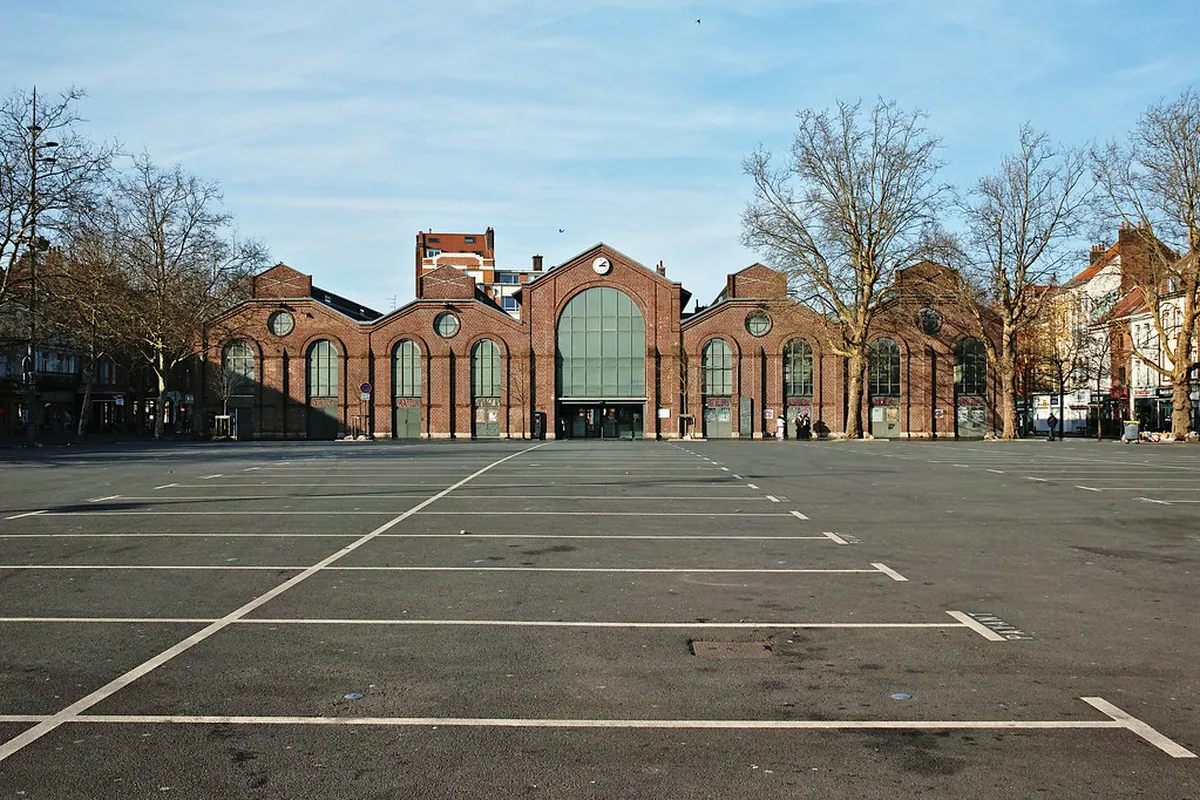
The Wazemmes Market Hall is a central landmark that defines the architectural character of this lively district. This impressive structure features a strong iron frame that dates back to the late nineteenth century period. It reflects the industrial growth that transformed Lille into a major economic powerhouse during that era. Today, the market remains a hub for social interaction and cultural exchange for locals and tourists.
The use of glass and iron allows natural light to flood the interior shopping aisles every morning. This design was revolutionary at the time and aimed to improve hygiene and visibility for market traders. You can admire the decorative ironwork on the pillars and the high vaulted ceilings from within. The building has survived many urban changes while maintaining its original purpose as a center for trade.
Surrounding the market hall are numerous cafes and shops that feature classic Flemish architectural elements and styles. Many buildings display the characteristic stepped gables and decorative brick patterns common in this part of France. The transition from the iron market to the brick shops creates a rich visual tapestry for walkers. It is the perfect place to stop for a coffee and observe the neighborhood's daily rhythms.
The market hall is open most mornings, but it truly comes alive on Tuesdays, Thursdays, and Sundays. Walking through the hall provides a sensory experience that combines historic architecture with modern culinary delights. Prices for local produce and crafts are very reasonable compared to the more touristy city center. This site perfectly concludes the Wazemmes neighborhood architecture walk with a taste of local life.
Frequently Asked Questions
How long does the Wazemmes neighborhood architecture walk take?
A typical walk through the Wazemmes neighborhood takes about two hours at a steady pace. This allows enough time to photograph the major buildings and explore the hidden courtyards. You might spend longer if you visit the market or stop for a meal. The route is mostly flat and very easy for most walkers to navigate.
What is the best day to visit Wazemmes for architecture?
Sunday is the most exciting day to visit because of the massive outdoor market. However, a weekday might be better if you prefer to photograph the buildings without large crowds. The Maison Folie is usually open from Wednesday to Sunday for interior visits. Plan your trip based on whether you want energy or quiet observation.
Is the Wazemmes neighborhood safe for solo travelers?
Wazemmes is generally a very safe and welcoming neighborhood for solo travelers and families. It is a busy residential area with many people on the streets throughout the day. Like any urban area, you should stay aware of your surroundings and keep your belongings secure. The main architectural sites are located in well-traveled and well-lit public areas.
The Wazemmes neighborhood architecture walk offers a deep dive into the soul of Lille. From Neo-Gothic towers to industrial courtyards, the variety of styles is truly impressive and memorable. This district proves that history is not just in museums but in the streets we walk. Plan your visit in 2025 to experience this unique blend of culture and design first-hand. Book one of the many Lille guided architecture tours to learn even more from local experts.
Key Takeaways
- Wazemmes features a unique mix of Neo-Gothic and industrial architecture.
- Hidden courées offer a rare look at 19th-century workers' housing.
- The Maison Folie is a prime example of modern industrial repurposing.
- Sunday is the best day to experience the vibrant local market culture.
- The neighborhood is easily accessible and perfect for a two-hour walking tour.
Related reads: architecturebycity.com, lille architecture map for tourists.