
MAC Lyon Museum Architecture Guide 2025
Discover the MAC Lyon museum architecture designed by Renzo Piano. Plan your 2025 visit with our expert guide to this modern French landmark and cultural hub.
On this page
Lyon is a city known for its stunning blend of history and modern design. The MAC Lyon museum architecture stands as a brilliant example of contemporary French style. This museum offers a truly unique experience for travelers visiting the city in 2025. You will find the building nestled comfortably within the innovative Cité Internationale district.
The museum currently covers over 6,000 square meters of dedicated and flexible exhibition space. This massive area allows for large scale installations that other museums cannot easily house. Each floor offers a blank canvas for artists to express their very unique visions. The structural layout promotes a deep sense of openness and infinite creative possibility.
Visitors often marvel at how the structure interacts perfectly with the surrounding urban environment. This building represents a bold shift toward modern design in a historic city like Lyon. Architect Renzo Piano successfully blended industrial materials with soft natural elements for this project. The museum remains a key destination for anyone interested in global architecture today.
The Vision of Renzo Piano
The museum is a key part of the Renzo Piano Cité Internationale Lyon development. This massive project converted an abandoned site into a vibrant and modern neighborhood. Piano wanted to create a city within a city that felt very inclusive. The result is a seamless mix of offices, homes, and cultural venues.
Pedestrian paths connect the various buildings to ensure easy access for all visitors. These walkways encourage people to explore the area on foot at their own pace. You will notice a consistent architectural language across the entire Cité Internationale site. The museum acts as the cultural heart of this highly ambitious urban project.
Piano focused heavily on the relationship between the buildings and the natural landscape. He positioned the museum to face both the river and the park nearby. This orientation allows natural light to flood the interiors during the bright daylight hours. It creates a serene atmosphere that enhances the overall viewing experience for guests.
The project utilized innovative engineering techniques to handle the proximity to the Rhône River. Waterproofing and structural stability were top priorities during the long and complex construction phase. Today, the museum stands as a sturdy and elegant landmark in the city. It perfectly balances heavy industrial strength with light and airy design aesthetics.
The Iconic Terracotta Facade
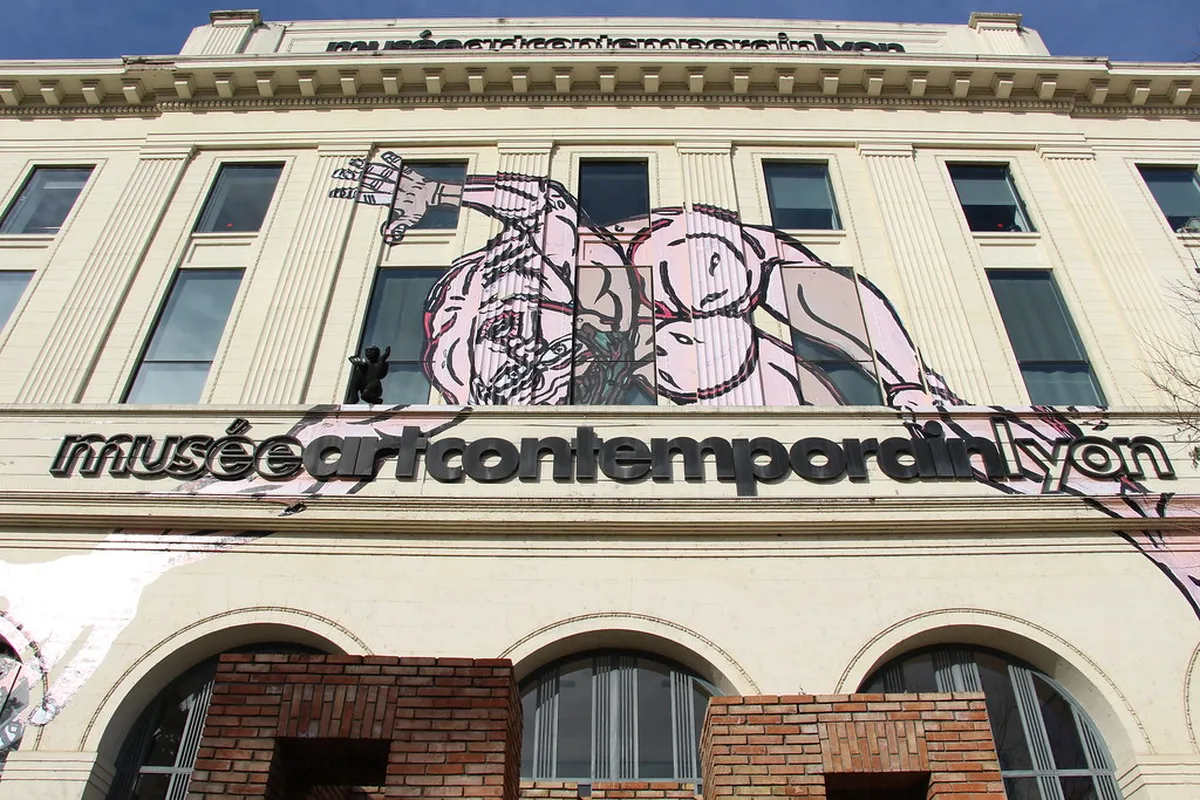
One of the most striking features is the use of red terracotta panels. These terracotta facades of Cité Internationale provide a warm and earthy texture. The color contrasts beautifully with the green trees of the adjacent city park. This material choice helps the building feel organic and less like a cold fortress.
Terracotta is a traditional material that Piano used in a very modern way. The panels are mounted on a metal frame to allow for thermal expansion. This technique ensures the facade stays beautiful and intact for many decades to come. It reflects a commitment to using high quality materials that age with grace.
The red hue of the tiles changes slightly depending on the time of day. During sunset, the museum glows with a deep and rich orange light. This visual effect makes the MAC Lyon museum architecture a favorite subject for photographers. The texture of the tiles adds depth and character to the flat surfaces.
Using terracotta also provides excellent insulation for the galleries located inside the building. It helps maintain a stable temperature which is vital for preserving modern art. This functional benefit matches the aesthetic beauty of the chosen exterior building material. It is a perfect example of form meeting function in modern architecture.
Spatial Flexibility and Interior Design
The interior of the museum is famous for its completely modular floor plan. Walls can be shifted or removed entirely to accommodate diverse artistic needs. This feature allows the museum to host massive sculptures and intimate solo shows. No two visits to the museum ever feel exactly the same way.
High ceilings provide a sense of grandeur and scale to the gallery spaces. Large glass windows offer views of the park while letting in soft light. Renzo Piano used glass to break down the barriers between the inside and outside. This transparency makes the art feel more accessible to the general public.
Industrial materials like steel and concrete are visible throughout the internal structure. These elements remind visitors of the building's structural integrity and modern origins. They provide a neutral backdrop that never competes with the art on display. The simplicity of the interior design is its greatest and most powerful strength.
Advanced lighting systems allow curators to create specific moods for every new exhibit. Spotlights and ambient lamps can be adjusted with great precision across the floors. This level of control is essential for modern multimedia and digital art installations. The museum's infrastructure supports the most cutting-edge creative technologies available today.
Integration with the Local Landscape
The museum sits right next to the famous Parc de la Tête d'Or. This location provides a peaceful escape from the busy streets of the city. Visitors can walk from the galleries directly into the lush green gardens. The architecture serves as a gateway between the urban world and nature.
Large windows on the northern side provide stunning views of the park's lake. These vistas create a calm environment for reflecting on the contemporary art pieces. The reflection of the trees on the glass facade is a beautiful sight. It blurs the lines between the built environment and the natural landscape.
Many people enjoy a walk through the park after exploring the museum exhibits. This combination of art and nature makes for a perfect day in Lyon. The Cité Internationale district was designed specifically to facilitate this healthy lifestyle. It encourages movement and outdoor exploration for residents and tourists alike.
The museum's terrace offers a unique perspective of the surrounding botanical gardens. You can see the historic greenhouses and the diverse collection of exotic trees. This elevated view highlights the thoughtful placement of the MAC Lyon museum architecture. It remains one of the most scenic spots in the entire city.
Visiting MAC Lyon in 2025
Visiting the museum is easy thanks to the excellent public transport in Lyon. You can take the C1 or C4 bus lines directly to the site. These buses run frequently from the Part-Dieu train station and other major hubs. Check a practical guide for Lyon architecture lovers for more travel tips.
Tickets can be purchased online to avoid waiting in long lines at the entrance. The museum is usually open from Wednesday to Sunday for all visitors. Be sure to check the current exhibition schedule before you plan your trip. Some galleries may be closed during the installation of new art pieces.
Photography is allowed in most areas of the museum without using a flash. Capture the lines of the building and the play of light on terracotta. The exterior of the Cité Internationale also offers many great photo opportunities. Early morning or late afternoon provides the best light for your architectural photos.
Wear comfortable walking shoes to explore both the museum and the nearby park. The total area of the Cité Internationale is quite large and worth walking. You will find several cafes and restaurants nearby for a quick lunch break. Enjoy the modern atmosphere of this unique district during your 2025 visit.
Frequently Asked Questions
What is the architectural style of MAC Lyon?
The MAC Lyon museum architecture is contemporary and industrial. It features a modular interior design that can adapt to different art exhibitions. The exterior is famous for its red terracotta panels and glass surfaces. Renzo Piano designed the building to be both functional and transparent.
Who designed the MAC Lyon museum?
The world famous architect Renzo Piano designed the museum building. He is also known for designing the Centre Pompidou in Paris. His work in Lyon focused on creating a modern urban complex. The museum is a central piece of his Cité Internationale project.
How much does it cost to visit the museum?
Standard ticket prices for adults usually range from 6 to 9 euros. Discounts are available for students and large groups of visitors. Children under the age of 18 can often enter the museum for free. Check the official website for current 2025 pricing and special events.
Is the MAC Lyon building accessible for disabled guests?
The museum is fully accessible for visitors with limited mobility. Elevators and ramps are available to reach every floor of the gallery. Accessible restrooms are located throughout the building for your convenience. Staff members are always ready to assist guests with special requirements.
The MAC Lyon museum architecture is a must-see for design fans in 2025. Its blend of terracotta, glass, and flexible space is truly world class. Plan your visit to the Cité Internationale to see this masterpiece in person. You will enjoy a perfect mix of modern art and beautiful nature. Explore the stunning architecture of Lyon and discover its many creative wonders today.
Key Takeaways
- The museum was designed by legendary architect Renzo Piano.
- It features a unique modular interior for changing art exhibitions.
- The iconic red terracotta facade is a signature design element.
- The building is perfectly integrated with the Parc de la Tête d'Or.
Related reads: architecturebycity.com, architecture in lyon, park de la tete dor views from cite internationale.