
Brutalist Architecture in Marseille: A 2025 Guide
Explore stunning brutalist architecture in Marseille. Learn about Le Corbusier and modern design. Plan your 2025 architecture tour today!
On this page
Marseille is a city that embraces its raw and bold concrete structures. The Mediterranean sun hits the grey walls to create beautiful light effects. This makes the city a dream destination for photographers and designers. Brutalist architecture in Marseille represents a bold era of urban design.
You will find many examples of this style near the southern districts. Many visitors come to explore the massive shapes and unique forms. These buildings tell a story of post-war growth and social change. They offer a striking contrast to the older historical parts of town.
The History of Brutalist Architecture in Marseille
Brutalist architecture in Marseille emerged as a solution to post-war housing needs. Architects wanted to build quickly using local and affordable materials. They chose raw concrete for its strength and very low maintenance costs. This decision shaped the visual identity of the city for decades.
The term Brutalism comes from the French phrase for raw concrete. It reflects a design philosophy that focuses on honesty and function. Buildings show their structural elements instead of hiding them with paint. This creates a powerful and honest aesthetic for the urban landscape.
During the 1950s, Marseille became a center for experimental modern housing. The city needed to provide homes for thousands of new residents. Bold designers used concrete to create large-scale vertical communities. These projects changed the way people lived in the Mediterranean region.
Today, these structures are celebrated for their historical and artistic value. Many are listed as protected monuments by the French government. Tourists visit from all over the world to see these concrete giants. They remain a vital part of the city's diverse cultural heritage.
Exploring the Unité d'Habitation in Detail
The Unité d'Habitation is the most famous site in the city. It is often called the Cite Radieuse by the local people. You can find more details about the Le Corbusier Unité d'Habitation Marseille online. This structure contains shops and a school within its walls.
Le Corbusier designed this building as a self-contained vertical village. It features 337 apartments spread across eighteen floors of concrete. The design includes internal streets that house various local businesses. Residents can buy food and visit a library without leaving home.
The rooftop is a public space with a gym and pool. It offers some of the best views of the Marseille coastline. You can see the Frioul Islands and the hills from here. Admission to the rooftop terrace usually costs around five euros.
This building is a UNESCO World Heritage site since 2016. It serves as a model for modern urban planning everywhere. The use of the modular system ensures every space is efficient. It remains a living example of 20th-century design innovation.
Other Examples of Raw Concrete Design
Beyond the main sites, Marseille has many smaller brutalist blocks. The Bel Horizon building offers a unique look at urban density. These structures often feature modular windows and heavy concrete balconies. They provide a fascinating look at post-war social housing goals.
Many of these buildings sit in the northern and southern suburbs. They were designed to provide light and air to every resident. The architects focused on collective living and shared outdoor green spaces. You can see these repetitive patterns from the main city roads.
Industrial sites also show the influence of the brutalist style today. Large warehouses and port facilities use heavy concrete for structural support. These functional buildings have a quiet beauty in their simple forms. They reflect the industrial heritage of this busy Mediterranean port city.
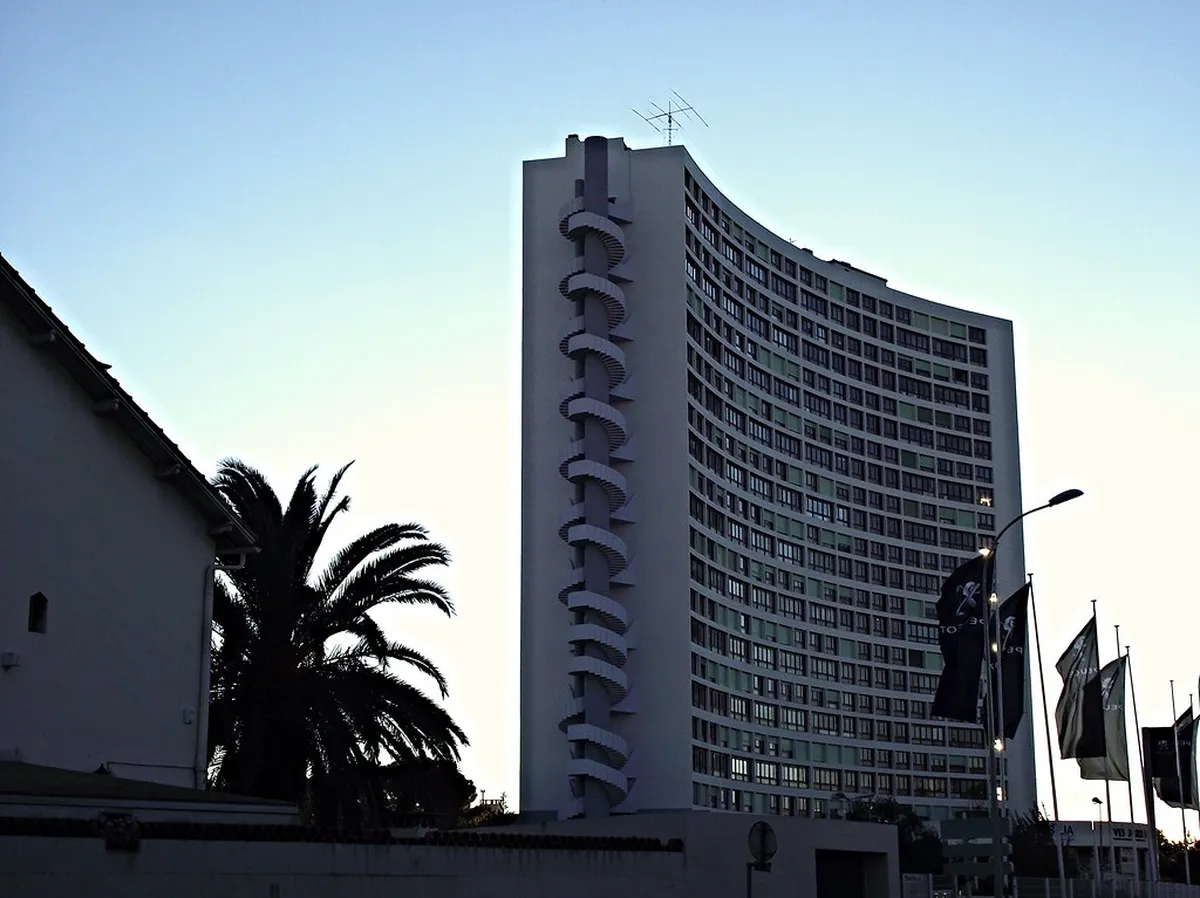
- The Grand Pavois apartment tower
- The administrative buildings near the port
- The residential blocks of the 8th arrondissement
- Various school buildings from the 1960s era
Practical Tips for Your 2025 Visit
Visiting the Unité d'Habitation is quite simple for most travelers. The building is open to the public daily from early morning. You should check the official website for current 2025 opening hours. Most visitors start their journey at the ground floor desk.
Many people enjoy visiting Unité d'Habitation Marseille during the spring. The weather is mild and the light is perfect for photos. You can take the B1 bus from Castellane to get there. The ride takes about fifteen minutes through the city streets.
Guided tours are available in English and French during the week. These tours allow you to see the inside of private apartments. You must book these in advance because they fill up quickly. The cost is usually around fifteen euros for a full tour.
Wear comfortable walking shoes for your architecture tour of the city. Many brutalist sites are spread out and require some walking time. Bring a camera to capture the unique shadows on the concrete. The late afternoon sun provides the most dramatic visual effects.
The Future of Marseille's Concrete Heritage
Preserving these concrete giants is a major task for the city. Many buildings now have protection as important national heritage sites. This ensures that future generations can enjoy this unique urban style. Marseille continues to celebrate its bold and diverse architectural identity.
New renovations focus on making these older buildings more energy efficient. Engineers are adding better insulation while keeping the original concrete look. This balance between old and new is vital for modern sustainability. These projects prove that brutalism can adapt to the modern world.
Art galleries and hotels now occupy some of these historic spaces. This brings new life and economic value to the concrete structures. Local residents are proud of the international attention their buildings receive. The city is evolving while respecting its 20th-century design roots.
Marseille remains a living museum of modern and brutalist architecture today. Every street corner offers a new perspective on concrete and light. Plan your trip in 2025 to see these amazing sites yourself. You will gain a new appreciation for this bold design style.
Frequently Asked Questions
What is the best brutalist building to see in Marseille?
The Unité d'Habitation is the most iconic example in the city. It was designed by the famous architect Le Corbusier in 1952. This site offers a museum, a hotel, and a stunning rooftop. It is the best place to start your architecture tour.
Is it free to visit the Cite Radieuse rooftop?
Access to some parts of the building requires a small fee. The rooftop often costs around five euros for general public visitors. This helps the city maintain the historic structure for future visitors. Check local signs for the most current 2025 pricing information.
How do I see more architecture in Marseille?
You should take a guided walking tour to see the best sites. Many tours focus on the modern history and social housing projects. This guide helps you explore the best architecture in Marseille today. You can also use the local metro and bus lines.
Brutalist architecture in Marseille offers a unique journey through modern history. From the Unité d'Habitation to industrial blocks, the city is a concrete masterpiece. These structures represent a bold vision for communal living and functional design. Plan your 2025 visit to experience these raw and beautiful landmarks in person.
Key Takeaways
- Visit the Cite Radieuse rooftop for panoramic Mediterranean views.
- Book a guided tour to access private apartment interiors.
- Use the B1 bus line from Castellane for fast transit.
Related reads: architecturebycity.com, cite radieuse rooftop access.