
Guide to Jean Nouvel La Marseillaise Tower
Discover the Jean Nouvel La Marseillaise tower. Learn about this iconic skyscraper's design, colors, and role in Marseille contemporary skyscrapers in 2025.
On this page
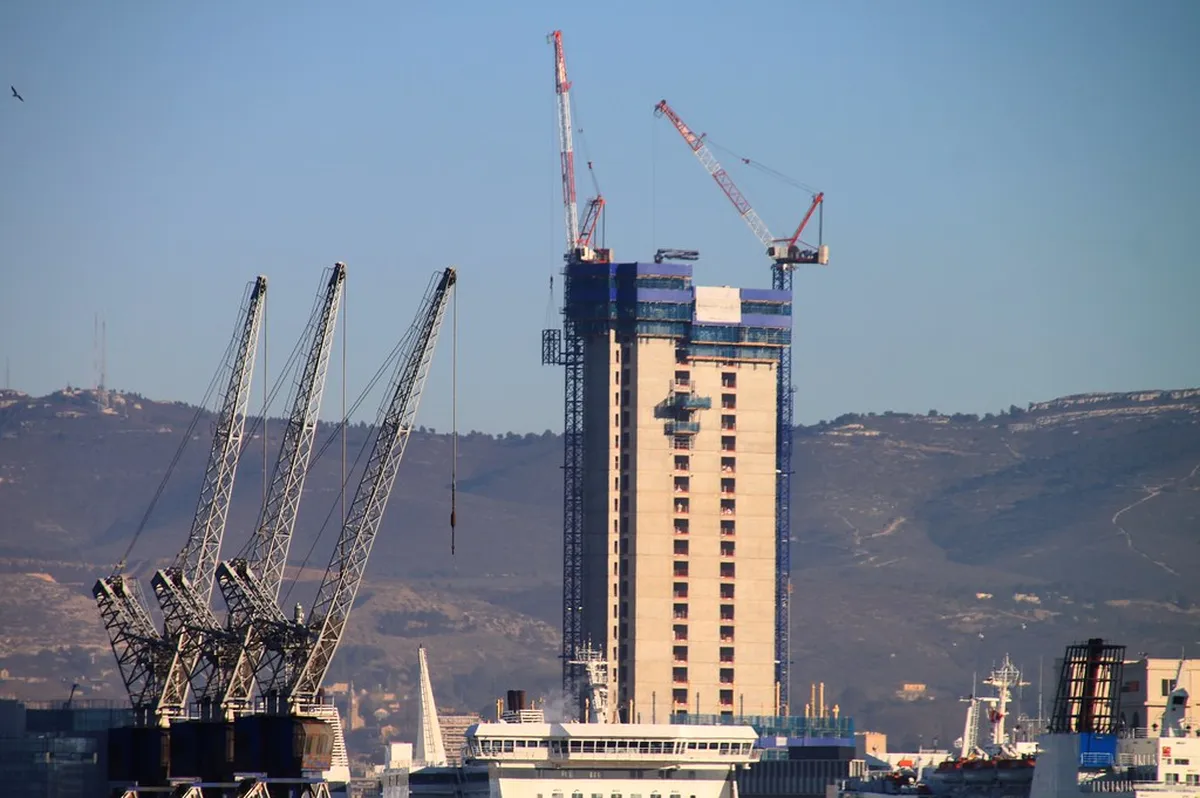
The Jean Nouvel La Marseillaise tower is a stunning masterpiece of modern design located in France today. It stands as a vibrant symbol of the architectural rebirth within the Mediterranean city of Marseille. This skyscraper captures the light and spirit of the coast through its unique and colorful exterior. Visitors and locals alike admire the building for its innovative use of color and sustainable features.
Architect Jean Nouvel designed this tower to celebrate the identity of the French southern coastline. It is a central part of the skyline that defines the city in 2025. This guide will provide everything you need to know about this remarkable landmark of glass. You will learn about the history, design, and practical tips for viewing this tall masterpiece today.
The Visionary Design of Jean Nouvel
Jean Nouvel wanted to create a tower that felt light and integrated with the surrounding air. He avoided the typical heavy aesthetic often found in glass and steel skyscrapers across Europe. Instead, he used twenty-seven shades of blue, white, and red to decorate the entire facade. These colors represent the deep sea, the fluffy clouds, and the terracotta roofs of the city.
The facade changes its appearance based on the sun’s angle throughout the different hours of the day. This creates a beautiful optical illusion for people walking below the building on the city streets. Sunshades provide depth and shadow to the building's exterior while protecting the inner office spaces. This design effectively balances artistic aesthetics with practical climate control for all the people working inside.
The concrete structure uses high-performance materials for lasting durability in the salty Mediterranean sea air. It showcases how Marseille contemporary skyscrapers evolve to meet modern artistic and technical standards. Each element of the building serves both a functional and an artistic purpose for the city. This tower is not just an office building but a vertical painting in the sky.
The architect focused on transparency to ensure that the building did not feel like a wall. He used large panels of glass to reflect the shifting light of the Mediterranean coast every day. This approach allows the building to blend seamlessly into the horizon during the bright summer months. It remains a focal point for architectural students who study modern design in France during 2025.
The interior spaces are designed to be flexible and open for the various businesses located there. Each floor offers incredible views of the sea and the bustling port area of Marseille below. The design prioritizes the comfort of the workers by providing ample natural light in every office. It is a true example of how modern architecture can enhance the daily professional experience.
Location in the Heart of Euroméditerranée
The tower stands proudly within the famous Euroméditerranée urban renewal district near the sea. This area is currently the largest urban project in Europe and has transformed the old port. It has turned a former industrial zone into a thriving hub for business, culture, and modern living. The district represents the future of Marseille as a leading Mediterranean city for international trade.
You can find this building at the Quai d'Arenc in the northern part of the city. It sits right next to the famous and curved Zaha Hadid CMA CGM Tower. Together, these two buildings form a striking modern gateway for ships entering the busy port today. Their contrasting styles highlight the diversity of modern architectural thought present in the city of Marseille.
The location is easily accessible by using the local tramway lines that run through the city. Tramway lines T2 and T3 stop very close to the tower at the Arenc Le Silo station. This makes it a very convenient stop for any visitor exploring the northern districts of the city. Most visitors find that the area is safe and easy to navigate on foot during the day.
Walking around the base of the tower allows you to see the intricate textures of the facade. The surrounding plaza offers great angles for photography enthusiasts who want to capture the building's height. You will truly appreciate the massive scale of this structure when standing directly beneath its colorful fins. The area also features several modern art installations that complement the nearby architectural designs.
The district is home to several other landmarks that are worth visiting while you are nearby. You can explore the docks which have been converted into a luxury shopping and dining destination. This transformation shows how the city respects its industrial past while embracing a very modern future. It is a perfect example of urban planning that works for both residents and visitors.
Sustainability and Modern Environmental Innovation
La Marseillaise is a pioneer in sustainable office design for large skyscrapers in southern France. It uses a sea-water cooling system for temperature regulation instead of traditional air conditioning units. This innovative system reduces energy consumption by nearly thirty percent compared to standard office buildings today. It utilizes the natural temperature of the Mediterranean Sea to keep the interior spaces comfortable.
The building holds the prestigious HQE Excellence certification for its high environmental quality and design standards. Large windows allow natural light to fill every office space which reduces the need for artificial lighting. This creates a healthy and productive environment for the three thousand workers who use the building daily. The materials used in construction were chosen for their low impact on the local environment.
Green terraces are integrated into different levels of the tower to provide natural spaces for the employees. They provide outdoor space for breaks and help to improve the building's overall air quality naturally. This approach sets a high standard for modern skyscrapers that aim to be more eco-friendly in 2025. It shows that vertical density does not have to come at the expense of nature.
Local materials were prioritized during the construction phase to support the regional economy of southern France. This choice helped to lower the overall carbon footprint of the project by reducing transportation distances. It reflects a deep commitment to environmental preservation that is shared by the city of Marseille. The tower serves as a model for future sustainable developments in coastal cities around the world.
Advanced waste management systems are also in place to ensure that the building operates efficiently every day. Water recycling programs help to reduce the total consumption of fresh water within the skyscraper's facilities. These technical details prove that the building is as smart as it is beautiful to look at. It remains one of the most efficient buildings in the entire Euroméditerranée district.
Visiting the Tower and Best Viewing Points
The tower primarily houses offices and professional business spaces for various international and local companies. Access to the upper floors is usually restricted to the employees who work there every day. However, the ground floor offers public retail spaces and dining options for visitors to enjoy. You can enter the lobby to see some of the artistic design elements up close.
You can enjoy a meal at the nearby restaurants located in the Joliette district and docks. They offer stunning views of the tower’s colorful facade from their outdoor seating areas during lunch. The best time for photos is during the golden hour when the sun hits the colorful fins. This time of day makes the red and blue shades glow against the Mediterranean sky.
Visit the rooftop bars in the Joliette district nearby for a panoramic view of the skyline. From there, you can see the tower standing tall against the blue sea and the mountains. The blue shades of the tower blend perfectly with the horizon on a clear day in 2025. It is a favorite spot for photographers looking for the perfect city shot.
Prices for nearby dining range from fifteen to thirty euros for a standard mid-day meal. Check the local tram schedules for the most recent updates before you start your journey there. Most venues in the area remain open until late in the evening for dinner and drinks. The atmosphere in the district is lively and filled with energy throughout the entire week.
If you want a different perspective, take a boat tour from the Vieux Port area nearby. Seeing the tower from the water allows you to appreciate its role as a coastal landmark. The height of one hundred thirty-five meters is very impressive when viewed from the sea level. It is a must-see for anyone interested in the modern side of this historic city.
The Impact on Marseille's Urban Identity
Marseille has long been known for its historic port and ancient neighborhoods like the famous Le Panier. The addition of this tower signals a new era of growth and modernization for the city. It creates a dialogue between the old stone buildings and the new glass and concrete structures. This evolution helps the city compete with other major European ports in the twenty-first century.
Locals have embraced the building as a symbol of progress and economic renewal for the southern region. Its colors pay homage to the city's unique maritime light and the French national flag colors. It stands as a proud landmark on the Mediterranean coast that can be seen from miles away. The tower has become an essential part of the city's visual brand in 2025.
The tower helps attract international businesses to the southern coast by providing world-class office facilities. It offers modern workspace that meets the highest global standards for professional and creative environments today. This economic boost benefits the entire city of Marseille by creating new jobs and opportunities. It has helped to revitalize the northern districts which were once overlooked by developers.
Architectural students frequently visit the site for academic research and to study Nouvel's unique design philosophy. They study how the architect integrated art with complex engineering to create a functional skyscraper. The building remains a focal point for urban planners who want to see successful urban renewal. It is a testament to the power of architecture to transform a city's image.
The tower also hosts various cultural events and exhibitions on the ground floor throughout the year. These events bring the community together and make the building more than just a place for work. It is a living part of the city that contributes to the local cultural scene daily. This integration ensures that the tower remains relevant to the people of Marseille.
Frequently Asked Questions
Who is the architect of the La Marseillaise tower?
The tower was designed by the world-famous French architect Jean Nouvel. He is known for his unique approach to light and color in modern buildings. He won the Pritzker Prize for his significant contributions to the field of architecture.
How tall is the Jean Nouvel tower in Marseille?
The tower reaches a total height of one hundred thirty-five meters from the ground. It has thirty-one floors that are mostly dedicated to office spaces and commercial use. This makes it one of the tallest buildings in the city of Marseille.
Can you visit the top of the La Marseillaise tower?
There is currently no public observation deck located at the top of the tower today. The upper floors are reserved for private offices and business operations for various companies. You can enjoy the views from the ground floor and nearby rooftop bars.
What do the colors on the building represent?
The twenty-seven shades of blue, white, and red represent the local Mediterranean environment. The blue matches the sea and sky, while white represents the clouds above. The red tones reflect the traditional terracotta roofs found in the historic city center.
What is the best way to get to the tower?
The best way to reach the tower is by taking the local Marseille tramway system. Use lines T2 or T3 and get off at the Arenc Le Silo stop. This station is located just a short walk away from the main entrance.
The Jean Nouvel La Marseillaise tower is a remarkable addition to the French skyline in 2025. It combines artistic beauty with environmental responsibility in a way that few other skyscrapers do today. Whether you are an architecture fan or a casual tourist, this building is worth seeing. Plan your visit to the Euroméditerranée district to witness this colorful giant in person. You will experience the modern spirit of Marseille through this incredible work of art.
Key Takeaways
- Admire the unique 27 shades of blue, white, and red on the facade.
- Visit the Euroméditerranée district for the best views and photography angles.
- Learn about the sustainable sea-water cooling system that powers the building.
- Use tramway lines T2 or T3 for easy access to the Quai d'Arenc.
- Check out the nearby docks for shopping and dining after your visit.
Related reads: architecturebycity.com, architecture in marseille, le corbusier unite dhabitation marseille.