
Basilique Saint-Michel-Archange architectural features
Explore Basilique Saint-Michel-Archange architectural features in 2025. Discover Menton Baroque landmarks and visit this French Riviera jewel today.
On this page
Menton hosts one of the finest examples of southern European religious art found in France. In 2025, many visitors come to see the Basilique Saint-Michel-Archange architectural features for themselves. This church serves as a central symbol of the rich Menton Baroque landmarks found throughout the city. The structure dominates the skyline with its bright yellow walls and tall, elegant clock tower.
You can find this site tucked away at the top of a winding stone staircase. It offers a spectacular view of the Mediterranean Sea and the nearby Italian border. The building reflects the power and wealth of the Grimaldi family during the seventeenth century. Its presence marks a transition from simple local designs to more complex Baroque styles.
The Basilique Saint-Michel-Archange stands as a testament to the power of the Catholic Church. It remains a central part of the cultural identity of the people living in Menton. Architects and historians often study this building to understand the evolution of coastal French design. Each stone and statue tells a story about the religious devotion of the local population.
The Yellow Baroque Exterior
The facade of the church displays a beautiful arrangement of columns and decorative stone carvings. These architectural elements highlight the transition from the late Renaissance style to the early Baroque period. Large statues of saints stand within deep niches across the two main levels of the building. These figures provide a sense of movement and drama that defines the style of that era.
Bright yellow paint makes the building glow against the blue Mediterranean sky in the afternoon. This vibrant color represents the typical aesthetic found across the French Riviera and nearby Liguria. The use of ochre and yellow helps the church stand out from the surrounding old town houses. You can see these warm tones from the sea and the nearby hills of Menton.
The upper level of the facade features smaller columns that support a grand triangular pediment. This design creates a vertical rhythm that draws the eye upward toward the bright blue sky. Fine details in the stonework show the skill of the craftsmen who worked on the site. Every carving and relief was designed to celebrate the glory of the patron saint of Menton.
Symmetry plays a vital role in the overall balance of the grand exterior design. The central entrance is framed by heavy wooden doors that feature intricate religious carvings and symbols. These doors have welcomed pilgrims and tourists for hundreds of years without losing their historic charm. Walking through them feels like stepping back into the golden age of Menton architecture.
The Towering 17th Century Campanile
The bell tower stands fifty-three meters tall and serves as a landmark for local sailors. Its construction began in 1701 and took many years to complete to its full height. The tower features a green tiled roof that stands out against the yellow walls below. It houses a large bell that still rings to mark the time for the local community.
Architects designed the campanile to reflect the prestige of the church within the growing Mediterranean town. The base of the tower is solid and strong to support the weight of the stone structure. As you look higher, the design becomes more delicate with arched openings for the heavy bells. This variation in style adds visual interest to the skyline of the historic Old Town.
The tower is a masterpiece of late Baroque design that remains in excellent condition today. You can see the clock face from many points in the city of Menton below. Local residents rely on the chime of the bells to structure their daily lives and traditions. It represents the enduring presence of history in a modern and changing coastal resort.
Climbing the steep stairs near the tower provides a closer look at the historic masonry work. You will notice how the stones are fitted together to withstand the salty Mediterranean sea air. The craftsmanship of the eighteenth century continues to protect the building from the elements and time. This durability is one reason why the church remains a primary tourist attraction in 2025.
Parvis Pebble Mosaic Artistry
The Parvis Saint-Michel pebble mosaic layout covers the entire square in front of the church entrance. Local workers used thousands of small black and white stones to create these complex geometric patterns. This tradition reflects a common artistic style found in many coastal towns along the Italian Riviera. The mosaic requires careful maintenance to preserve its beauty against the wear of many visitors.
The patterns on the ground represent the coat of arms of the Grimaldi family of Monaco. You can also see symbols of the city of Menton woven into the stone floor design. These patterns create a stunning visual carpet that leads the eye toward the main church entrance. It is one of the most photographed features of the entire religious complex today.
Walking across the cool stones provides a tactile connection to the history of the square. The mosaic stays cool even during the hot summer months of the French Riviera season. This square serves as a stage for many outdoor concerts and local festivals throughout the year. It provides a grand setting for the annual Menton Music Festival held in the summer.
The contrast between the black and white stones creates a sharp and modern visual effect. This design choice proves that the architects wanted to create something both functional and very beautiful. The mosaic has survived many seasons and remains a point of pride for the local community. It is a must-see feature for anyone interested in the art of stone paving.
Elegant Interior Altar Designs
The interior of the church features a rich collection of gold decorations and vibrant ceiling paintings. Light enters the nave through high windows that illuminate the intricate details of the central altar. Many visitors find that the quiet atmosphere provides a peaceful break from the busy streets outside. You should take a moment to look up at the masterfully painted frescoes on the ceiling.
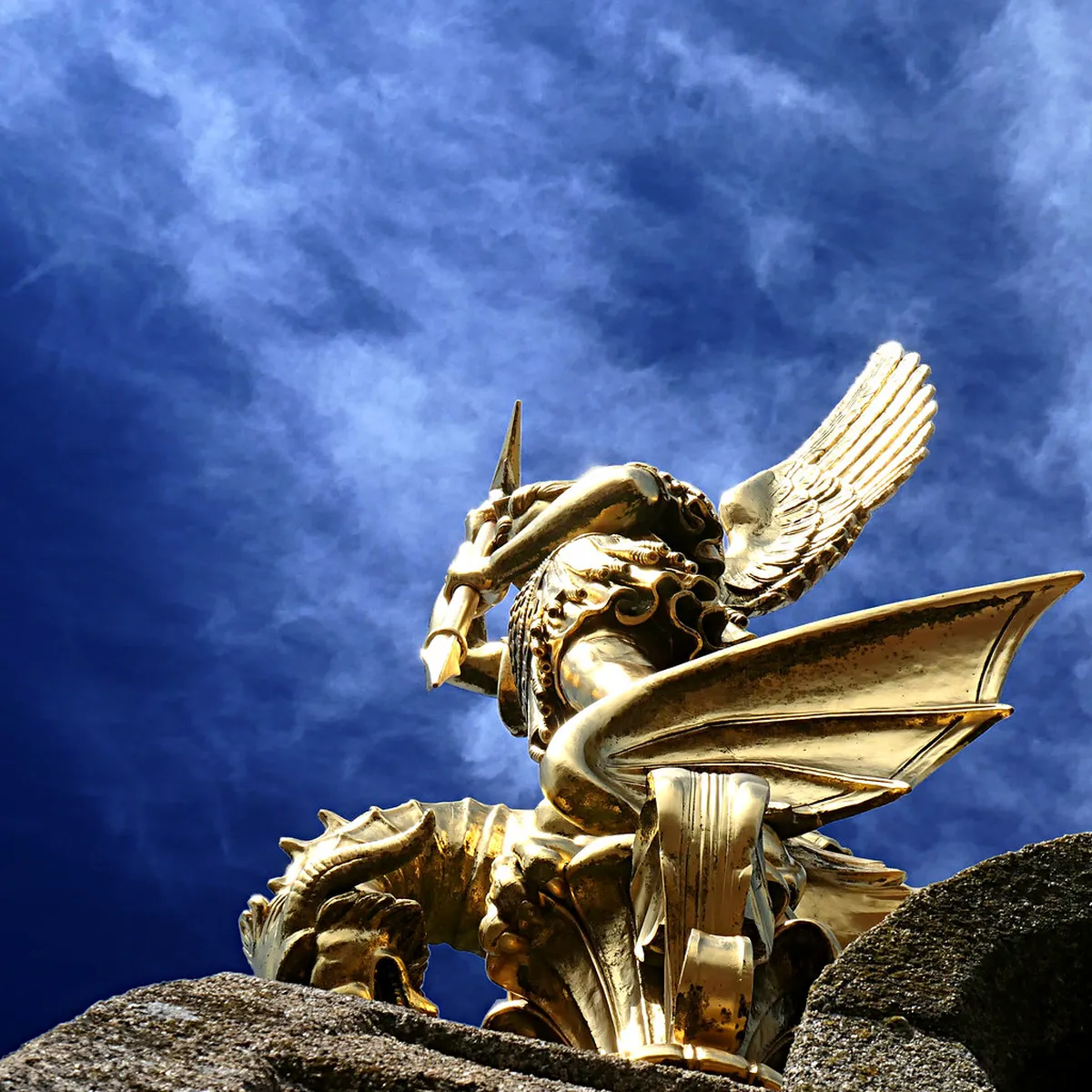
The main altar is a masterpiece of gilded wood and fine Italian marble from the region. It features a large statue of Saint Michael the Archangel defeating a dragon in a dramatic pose. This central figure represents the victory of good over evil in the Christian faith tradition. The use of gold leaf adds a sense of heavenly light to the entire sanctuary.
Side chapels offer a more intimate look at the private devotion of local noble families. Each chapel contains unique works of art, including paintings, sculptures, and small decorative religious relics. The families who funded these spaces wanted to leave a lasting legacy within the town's church. You can spend hours exploring the different themes and styles found in each small space.
The crimson damask fabrics on the walls create a warm and luxurious feeling inside the nave. These fabrics were often gifts from wealthy families who wanted to decorate the house of God. The combination of red cloth and gold leaf is a hallmark of the Genoese Baroque style. It creates a space that feels both majestic and deeply personal for the local worshipers.
Artistic Heritage and Paintings
Inside the sanctuary, you will find several religious buildings in Menton that showcase similar artistic styles. The walls feature large paintings that tell stories from the lives of important saints and figures. Each piece of art reflects the talent of the Genoese school of painters during the Baroque. The use of light and shadow creates a dramatic effect throughout the entire space.
One of the most famous paintings in the church depicts the adoration of the shepherds. This work shows the influence of Caravaggio through its strong contrast and realistic human figures. Travelers often stop to admire the emotional depth and technical skill of the local artists. These paintings have been carefully restored to ensure their colors remain bright for future visitors.
The organ of the church is another significant piece of artistic and musical heritage for Menton. It was built in the nineteenth century and features a beautiful wooden case with gold accents. Musicians from all over the world come to play on this historic instrument during local festivals. Its sound fills the high vaulted ceilings with a rich and powerful tone every Sunday.
You will also notice the intricate carvings on the wooden pulpit used for weekly religious sermons. The wood is dark and polished, showing the high quality of the materials used in construction. Symbols of the four evangelists are carved into the sides of the structure with great care. This level of detail shows that no part of the church was left undecorated.
Visiting Menton's Religious Landmark
Visiting the Basilique Saint-Michel-Archange is easy if you are staying in the center of Menton. You can walk up the historic steps from the port area to reach the main square. The climb is steep, so you should wear comfortable shoes for your walk to the top. The views of the harbor make the effort worth it for every single traveler.
The church is generally open to the public during the day for prayer and quiet visits. You should check the local schedule for mass times if you wish to see a service. Please remember to dress respectfully when entering this active place of worship and local community center. Photography is usually allowed but you should avoid using a flash inside the sanctuary.
Entry to the church is free, which makes it an excellent choice for budget-conscious travelers. You can donate a small amount to help with the ongoing restoration of the historic building. The funds collected go directly toward preserving the paintings and the delicate pebble mosaic outside. Your contribution helps keep this Menton Baroque landmark open for future generations of visitors.
In 2025, the area around the church features many small shops selling local lemon products. You can buy a souvenir before or after your visit to the historic religious site. The atmosphere in the old town is lively and welcoming for tourists from all over the world. It is the perfect place to experience the authentic culture of the French Riviera.
Frequently Asked Questions
Who designed the Basilique Saint-Michel-Archange?
The church was built by local architects who followed the Genoese Baroque style in the seventeenth century. They focused on creating a grand facade that would impress the local population and visitors. The design reflects the specific artistic trends that were popular across the Mediterranean region. Specific records mention the influence of several master builders from the nearby city of Genoa.
What are the mosaic stones made of?
The stones used in the mosaic are smooth pebbles collected from the local Mediterranean beaches. Artists chose specific colors of grey, black, and white to create the intricate floor patterns. These pebbles are carefully arranged to form the crest of the Grimaldi family and other symbols. The durable nature of these stones has allowed the mosaic to survive for many centuries.
Is the church open to tourists every day?
The church is usually open daily from early morning until the late afternoon for all visitors. However, access might be limited during religious services or special events like weddings and funerals. It is best to visit during the middle of the day for the best light. Always check the local notice board for any temporary closures during your trip in 2025.
Why is the exterior of the church painted yellow?
The yellow color is a traditional choice for buildings along the French and Italian Riviera coastlines. This bright shade of ochre was historically made from local minerals found in the nearby soil. It helps the building reflect the sun and stay cooler during the hot summer months. The color also makes the church a visible landmark for ships sailing in the Mediterranean Sea.
The Basilique Saint-Michel-Archange remains a masterpiece of Baroque design and a symbol of Menton. Its architectural features provide a deep look into the history and culture of the French Riviera. You should plan a visit in 2025 to see the yellow facade and pebble mosaic. Please consider booking a local tour to learn more about the fascinating Menton Baroque landmarks today.
Key Takeaways
- The church features a stunning yellow Baroque facade with Corinthian and Ionic columns.
- The Parvis Saint-Michel square is famous for its intricate black and white pebble mosaic.
- The interior is decorated with crimson damask and gold leaf in the Genoese style.
- The 53-meter clock tower is a landmark that can be seen from the sea.
Related reads: architecturebycity.com, architecture in menton, baroque chapels of menton.