
Colorful Facades of Menton Old Town: 2025 Guide
Explore the colorful facades of Menton old town in France. Learn the history and find best photo spots in our 2025 guide. Plan your Mediterranean trip today!
On this page
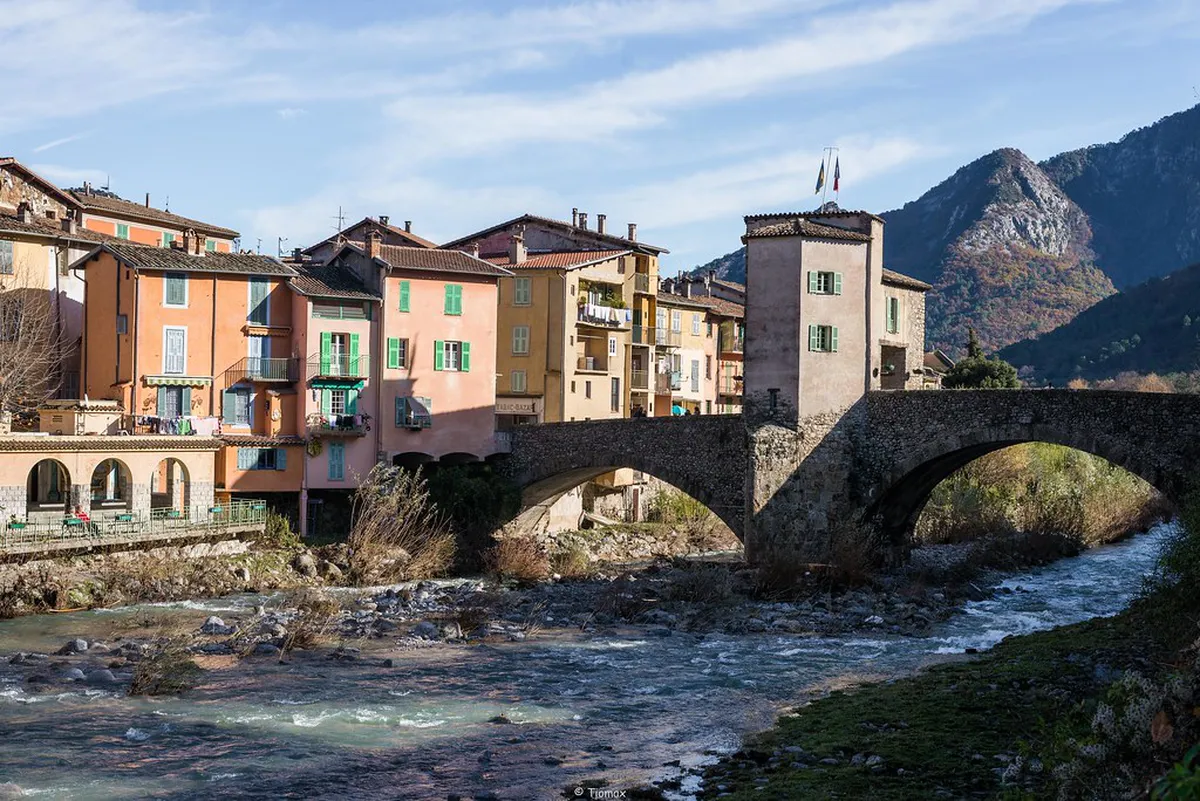
Menton sits on the edge of the French Riviera near the border of Italy today. The colorful facades of Menton old town create a stunning view for every single visitor. These bright buildings reflect the warm sun and the deep blue Mediterranean Sea nearby. This 2025 travel guide will help you explore every beautiful corner of this town.
Walking through the old town feels like stepping back into a much simpler time period. Local residents take great pride in maintaining the beauty of their historic neighborhood homes now. You will find narrow stairs that lead up to hidden squares and tiny local shops. Learn more about the local building styles in our Menton old town architectural guide.
Origins of the Mediterranean Color Palette
Menton history shows heavy influence from the neighboring Italian region of Liguria located nearby. Builders used bright pigments to protect these stone walls from the salty sea air today. Traditional colors include deep ochre, warm terracotta, and various shades of bright pastel yellow. These specific colors were chosen to brighten narrow streets during the cooler winter months now.
The use of natural dyes allowed the colors to age gracefully under the hot sun. You can see how the light changes the appearance of these walls throughout the day. Locals often repaint their homes every few years to keep the district looking fresh and clean. This tradition helps maintain the status of the town as a premier destination for travelers.
Walking through the area reveals a rich history of maritime trade and local artistic expression. Many artists moved here to capture the unique light and the vibrant colors of the buildings. These creative people helped define the aesthetic that we still enjoy in the modern era. You can feel this artistic energy in every corner of the historic old town district.
The preservation of these colors is a primary goal for the local municipal government today. They provide grants and advice to homeowners who wish to restore their historic building facades. This ensures that the visual identity of Menton remains consistent for future generations to enjoy. Visitors can see the results of these conservation efforts in every well-maintained town square.
Menton remains one of the few places where traditional Mediterranean pigments are still used. These colors help the buildings blend perfectly with the natural landscape of the French Riviera. The contrast between the orange walls and the green hills creates a truly spectacular sight. Take a moment to appreciate the centuries of history reflected in these vibrant building surfaces.
Best Views of the Colorful Facades of Menton Old Town
For the best views, you should visit the Quai Napoléon III during the early morning. This location offers a wide panorama of the colorful facades of Menton old town today. The morning light hits the buildings directly and makes the colors look very vibrant now. Photographers consider this spot one of the best photography spots for Menton architecture.
Another great perspective can be found by walking up to the Cemetery of the Old Château. From this high point, you can look down over the rooftops and the blue sea. The layers of yellow and orange houses look like a beautiful painting from this height. This view is especially magical during the sunset hours when the sky turns deep purple.
You can also find amazing photo opportunities by wandering through the narrow pedestrian streets inside. The tall buildings create interesting shadows and frame the sky in a very unique way. Look for small balconies decorated with flowers that add even more color to the scene. Every turn in the road offers a new and surprising view of the historic town.
The local beaches provide a different angle to view the skyline of the historic district. Sit on the Sablettes beach to see the buildings rising sharply from the coastal road. This view highlights the vertical nature of the town and its historic defensive wall design. It is the perfect place to relax while enjoying the iconic scenery of southern France.
Visitors should also explore the small harbor to see the reflection of the town in the water. On calm days, the colorful facades create a perfect mirror image on the surface of the sea. This creates a double dose of color that is perfect for taking professional quality travel photos. Make sure to bring a camera with a wide lens to capture the whole scene.
Exploring the Vertical Architecture of Vielle Ville
The layout of the town follows a vertical design to maximize the limited space available. Most houses stand several stories high and lean against each other for extra structural support. This unique medieval street planning in Menton creates a labyrinth of cool and shaded walkways. You will find many vaulted passages that provide shelter from the hot summer sun today.
Walking up the steep stairs requires a good level of fitness and comfortable walking shoes. These narrow paths were originally designed for people and pack animals to move through the city. Today, they offer a peaceful escape from the busy traffic of the modern coastal roads nearby. You can hear the sounds of local life echoing through the high and narrow stone walls.
Many of the homes feature shared walls and common entrance ways to save building materials. This close proximity created a strong sense of community among the residents of the old town. You can see how the architecture forced people to interact with their neighbors on a daily basis. This social history is still visible in the way people use the shared public spaces.
The upper floors of these buildings often have better views and more natural light for residents. Some houses have small roof terraces where people grow lemons and other citrus fruits in pots. These private gardens add a touch of greenery to the sea of orange and yellow stone. Look up as you walk to see the life happening above the street level.
The materials used for construction were mostly sourced from local stone quarries in the surrounding mountains. Heavy timber beams support the floors and the red clay tiles cover the steeply pitched roofs. These traditional materials help the buildings stay cool during the hot months of the summer. You can feel the natural coolness as you step into the shade of the alleys.
The Italian Influence on Menton Local Building Styles
Architecture in Menton blends the elegance of France with the rustic charm of northern Italy. Many buildings feature green shutters that contrast beautifully with the warm orange and yellow walls. You can spot intricate iron balconies and decorative cornices on many of the larger residences. These details reflect the wealth of the families who lived here during the eighteenth century.
The influence of the Italian baroque style is very evident in the local religious buildings today. You will see curved lines and dramatic statues on the facades of the many small chapels. These decorative elements were intended to show the power and the beauty of the local church. They provide a grand contrast to the simpler design of the surrounding residential apartment houses.
Menton was part of the Kingdom of Sardinia before it joined France in the year eighteen-sixty. This political history explains why the town looks more like San Remo than like nearby Nice. The language and the food of the town also reflect this deep and interesting cultural mix. You can experience the best of both worlds while visiting this charming coastal border town.
Many of the interior courtyards feature beautiful tile work and small fountains for the local residents. These private spaces were influenced by the Mediterranean tradition of creating a sanctuary away from the street. You might catch a glimpse of these hidden gems through an open door or a gate. They represent the quiet and private side of life in the busy old town district.
Local artisans still practice traditional crafts like stone carving and decorative painting in the town. You can visit their workshops to see how they maintain the unique look of the old buildings. These skills have been passed down through families for many generations in this part of France. Supporting these craftsmen helps ensure the architectural future of the colorful facades in the town.
Preserving the Heritage of Menton in 2025
The local government has established strict rules to protect the historic character of the old town. Any changes to the exterior of a building must be approved by a committee of experts. This prevents modern designs from ruining the harmony of the colorful facades of Menton old town. These regulations ensure that the district looks much the same as it did centuries ago.
Modern technology is now being used to map and document every building in the historic center. Specialists use laser scanning to create detailed three-dimensional models of the narrow streets and old walls. This information is vital for planning restoration projects and protecting the town from natural disasters. It represents a major investment in the future of the local architectural heritage today.
Tourism plays a major role in funding the ongoing maintenance of the historic old town district. The money spent by visitors helps pay for the cleaning of the streets and public buildings. This creates a positive cycle where the beauty of the town attracts the resources to save it. Residents and business owners work together to keep the area looking perfect for every guest.
Educational programs teach the local children about the history and the importance of their unique hometown. By understanding the value of their architecture, the younger generation will be more likely to protect it. Schools often organize tours and workshops led by local historians and professional architects in the town. This builds a sense of pride and responsibility in the local community for the future.
Visiting Menton in 2025 allows you to see a successful example of historic urban preservation today. The town remains a living and breathing community rather than just a museum for passing tourists. You can still see people hanging laundry and talking from their windows in the old town. This authentic atmosphere is what makes the colorful facades truly special for everyone who visits.
Frequently Asked Questions
What is the best time to photograph the colorful facades?
The best time to photograph the town is during the early morning or late afternoon. The low sun creates soft light that enhances the warm tones of the old buildings. You will also avoid the large crowds of tourists that arrive during the midday hours.
Why are the buildings in Menton so colorful?
The buildings use bright colors to reflect the local Mediterranean climate and Italian cultural heritage. These pigments were traditionally made from natural ochre found in the surrounding hills and mountains. The colors help keep the interiors cool and provide a cheerful atmosphere for the residents.
How do I get to the old town in Menton?
You can easily reach the old town by walking from the main train station in Menton. The walk takes about fifteen minutes and follows the scenic promenade along the Mediterranean coast. Look for the tall spire of the basilica to find the entrance to the district.
Are there guided tours available for the historic district?
Local guides offer walking tours that focus on the history and architecture of the old town. These tours provide deep insights into the medieval heritage and the famous Menton old town architectural guide points. Booking in advance is recommended during the busy summer months of July and August.
Menton offers a unique blend of history, color, and Mediterranean charm for every traveler in 2025. The colorful facades of Menton old town remain a symbol of the rich cultural heritage of this region. We hope this guide helps you plan an unforgettable visit to this beautiful French coastal town. Explore the streets today and discover the magic of the French Riviera for yourself.
Key Takeaways
- Visit the Quai Napoléon III for the best panoramic photos of the city.
- Wear comfortable walking shoes to navigate the steep and narrow medieval stairs safely.
- Observe the unique blend of French and Italian architectural styles throughout the district.
Related reads: architecturebycity.com, architecture in menton, menton vaulted passages and alleys.