
Exploring French Riviera Palace Architecture in Menton
Discover the beauty of French Riviera palace architecture in Menton. Explore 2025's best Belle Époque sites and grand hotels on your luxury trip to France.
On this page
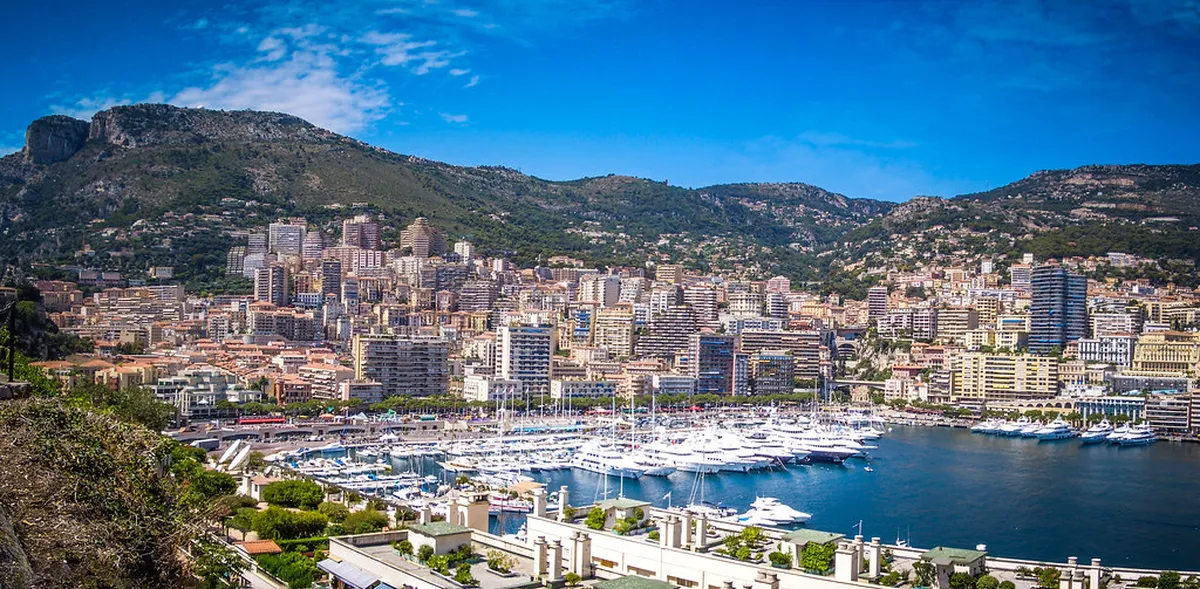
Menton is a jewel of the French coast known for its vibrant colors. This city holds a deep history tied to the golden age of travel. The stunning French Riviera palace architecture defines the local skyline with its grand facades. You will find layers of history hidden within every ornate balcony and tall window.
Visitors in 2025 continue to flock to this Mediterranean paradise for its visual charm. The city served as a warm winter retreat for royalty and wealthy elites. Their influence left behind a legacy of opulence that still stands today. Exploring these buildings offers a unique glimpse into a bygone era of pure luxury.
The Rise of Menton Belle Époque Architecture
Menton grew rapidly during the late 19th and early 20th centuries. Wealthy travelers from northern Europe sought the mild climate of the Mediterranean. They commissioned architects to build massive winter estates and luxurious hotels. This movement gave birth to the iconic Menton Belle Époque architecture seen today.
These buildings were designed to showcase social status and immense wealth. Architects blended classical motifs with modern comforts of that specific time period. You will notice intricate stonework and expansive gardens surrounding these structures. The arrival of the railway in 1869 accelerated this building boom significantly.
Large palaces soon dominated the hillsides overlooking the azure sea. Many of these structures remain perfectly preserved for modern admirers to enjoy. They reflect a period of peace, optimism, and great cultural innovation. Each building tells a story of the people who once walked its halls.
Today, Menton maintains a strict policy to protect these historic coastal landmarks. Restoration projects ensure that the pastel colors remain bright and cheerful. The city feels like an open-air museum for fans of historic design. You can spend days wandering the streets to find these hidden treasures.
Walking through the city reveals the scale of these 19th-century ambitions. The palaces often feature wide terraces designed for taking in the sun. Many buildings used local limestone to create their massive, durable foundations. This combination of local materials and international style is truly unique.
Structural Features of French Riviera Palace Architecture
The French Riviera palace architecture is famous for its grand and balanced proportions. Most palaces feature symmetrical facades with a central entrance as a focal point. You will see rows of tall windows decorated with ornate plaster moldings. These features were designed to impress visitors before they even stepped inside.
Many buildings include decorative elements like caryatids and ornate floral friezes. Wrought iron balconies are a common sight on every floor of these palaces. These balconies provided residents with private views of the sparkling Mediterranean Sea. The craftsmanship of the ironwork often includes intricate vines and geometric patterns.
Roofs often feature decorative domes or high mansard styles with slate tiles. These vertical elements help the buildings stand out against the steep mountain backdrop. Inside, the architecture focuses on high ceilings and grand marble staircases. Large ballrooms were once the center of social life for the visiting elite.
The use of color is a defining trait of Menton palace design. Architects favored soft yellows, warm ochres, and delicate pinks for the exterior walls. These shades complement the natural light found on the southern coast of France. Contrast is often provided by white stone trim and green shutters.
Ventilation was a key concern for architects working in the warm climate. They designed large hallways and high windows to encourage natural air flow. This kept the interiors cool during the warm spring and summer months. These practical features were seamlessly integrated into the overall aesthetic of the palace.
Famous Hotels That Shaped the Menton Skyline
The Menton grand hotels history includes some of the most famous buildings in Europe. The Riviera Palace is perhaps the most iconic example of luxury in the city. It was built between 1898 and 1902 to house the visiting aristocracy. Its long facade sits high on a hill for maximum visibility.
Another notable structure is the Winter Palace located in the scenic Garavan district. This building features stunning tile work and a very impressive glass-roofed winter garden. It once hosted famous writers, artists, and royalty from around the world. The scale of the dining halls alone shows the grandeur of the era.
The Grand Hotel des Ambassadeurs is located closer to the modern city center. It showcases a more refined and classical approach to luxury hotel design. Many of these former hotels have been converted into high-end residential apartments. This transition helped preserve the architecture while serving the needs of local residents.
- Riviera Palace: Famous for its massive size and elegant hillside gardens.
- Winter Palace: Known for its exotic winter garden and intricate facade details.
- The Grand Hotel: A classic example of the early Belle Époque luxury style.
- The Orient Palace: Features unique architectural elements inspired by eastern design trends.
Visiting these sites allows you to see the evolution of luxury living. Most of these buildings are easily accessible by walking from the main station. You can view the exterior details from public sidewalks without any entry fees. The sheer number of these palaces in one city is truly remarkable.
Materials Used in Historic French Palace Designs
Architects in Menton relied on a mix of local and imported materials. Stucco was the primary choice for creating the smooth, colorful exterior walls. This material allowed for easy repairs and frequent painting to maintain the look. Skilled craftsmen hand-carved the decorative elements using a mix of plaster and lime.
Marble was imported from Italy for use in the grandest indoor spaces. It was commonly used for flooring in lobbies and for majestic central staircases. Wrought iron was forged locally to create the iconic gates and balcony railings. This material provided strength while allowing for very delicate and artistic designs.
Terra cotta tiles were a popular choice for roofing and decorative floor accents. These tiles handled the intense Mediterranean sun better than many other materials. You will often see them used in the mosaic patterns of the garden paths. The durability of these materials has allowed many palaces to survive for centuries.
Glass technology improved significantly during the time these palaces were being built. This allowed for the creation of massive windows and beautiful conservatory spaces. The winter gardens often used iron frames to support large panes of glass. These sun-drenched rooms were essential for winter guests who wanted warmth.
Wood was used sparingly on the exteriors due to the humid sea air. However, high-quality oak and walnut were used for interior doors and wall panels. Many palaces still feature the original parquetry floors in their main reception rooms. These natural materials added warmth and elegance to the cold stone structures.
The Cultural Impact of Luxury Coastal Architecture
The architecture of Menton transformed it from a fishing village to a global destination. These palaces brought international fame to the small town on the border. The presence of the elite funded the creation of beautiful public parks. This investment in the city's appearance benefited all residents and visitors alike.
Menton became a symbol of the high life during the early 20th century. Art and music flourished within the walls of these private and public palaces. Many famous composers and painters were inspired by the views from their balconies. This creative energy is still felt in the city's many museums today.
The palaces also influenced the design of smaller villas throughout the region. Local builders adopted the colors and motifs used by the grand hotel architects. This created a cohesive look that defines the visual identity of Menton. The city feels unified by its shared history of luxury and style.
Today, these buildings serve as a reminder of the city's golden age. They provide a sense of place and historical continuity for the local community. Many cultural festivals take place in the squares surrounding these historic palace structures. The architecture remains the heart of Menton's tourism industry in 2025.
Preserving these buildings is a priority for the French government and local leaders. They recognize the economic value of maintaining such a unique historical landscape. Each renovation project follows strict guidelines to ensure historical accuracy for future generations. This dedication keeps the spirit of the Belle Époque alive and well.
How to Experience Menton Palaces in 2025
The best way to see the architecture is on a dedicated walking tour. Start at the sea front and work your way up the hills. Wear comfortable shoes as many of the best palaces are on steep streets. Bring a camera with a zoom lens to capture high-up architectural details.
I recommend visiting Menton historic monuments during the morning hours for the best light. The sun illuminates the yellow and orange facades beautifully before the midday heat. Many buildings have public gardens that are free to enter and enjoy. Take your time to sit and admire the scale of these structures.
Some palaces offer guided tours of their interiors during special heritage days. Check the local tourism office for a schedule of these rare opportunities. If you cannot go inside, the exterior architecture is still worth the trip. The Garavan district is particularly rich with well-preserved palace-style villas.
Consider staying in a converted hotel to experience the lifestyle for yourself. Several historic buildings now offer guest rooms with modern amenities and old-world charm. You can sleep in the same halls that once hosted European kings. This provides a deep connection to the history of the French Riviera.
Finally, do not forget to look up while walking through the old town. Many smaller palaces are tucked away in narrow streets and quiet squares. The contrast between the simple old town and the grand palaces is striking. This diversity is what makes the architecture of Menton so fascinating to explore.
Frequently Asked Questions
What is the most famous example of French Riviera palace architecture in Menton?
The Riviera Palace is widely considered the most famous example in the city. It features a massive facade and was once a top luxury hotel. You can see its grand presence from almost anywhere in the bay. It represents the height of the Belle Époque era in southern France.
Can I visit the interiors of the grand palaces in Menton?
Many of the historic palaces are now private residential buildings or apartments. You can often visit the gardens or common areas during heritage festivals. Some structures serve as public museums or cultural centers for the city. Always check the local tourism website for specific opening hours and tour dates.
Why are the palaces in Menton painted in bright colors like yellow and orange?
The bright colors are a traditional choice for Mediterranean coastal architecture. These warm shades reflect the sunlight and create a cheerful atmosphere for visitors. They also provide a beautiful contrast against the blue sea and green mountains. This color palette is a key part of the city's historical preservation rules.
When was the peak period for palace construction in Menton?
The peak period occurred between 1870 and 1914 during the Belle Époque. This era saw a massive increase in tourism from the European upper classes. The construction of the railway made it much easier for people to visit. Most of the city's grandest hotels and villas date back to this specific time.
Menton remains a premier destination for fans of historic European design and luxury. The French Riviera palace architecture provides a stunning backdrop for any coastal vacation. You can explore grand hotels, lush gardens, and colorful facades throughout the city. Plan your 2025 visit to experience this architectural heritage in person today. These landmarks are waiting to tell you their stories of old-world glamour and style.
Key Takeaways
- Menton features a high concentration of Belle Époque architecture from the 19th century.
- The Riviera Palace and Winter Palace are must-see landmarks for any visitor.
- Morning light is ideal for photographing the vibrant yellow and orange facades.
- Many historic grand hotels have been successfully converted into luxury apartments.
- The architecture was designed to accommodate wealthy winter travelers from northern Europe.
Related reads: architecturebycity.com, architecture in menton, art nouveau details in menton.