
Menton Sunset Architecture Photography Guide
Master Menton sunset architecture photography with our 2025 guide. Discover top locations, gear tips, and camera settings for the perfect shot. Read more!
On this page
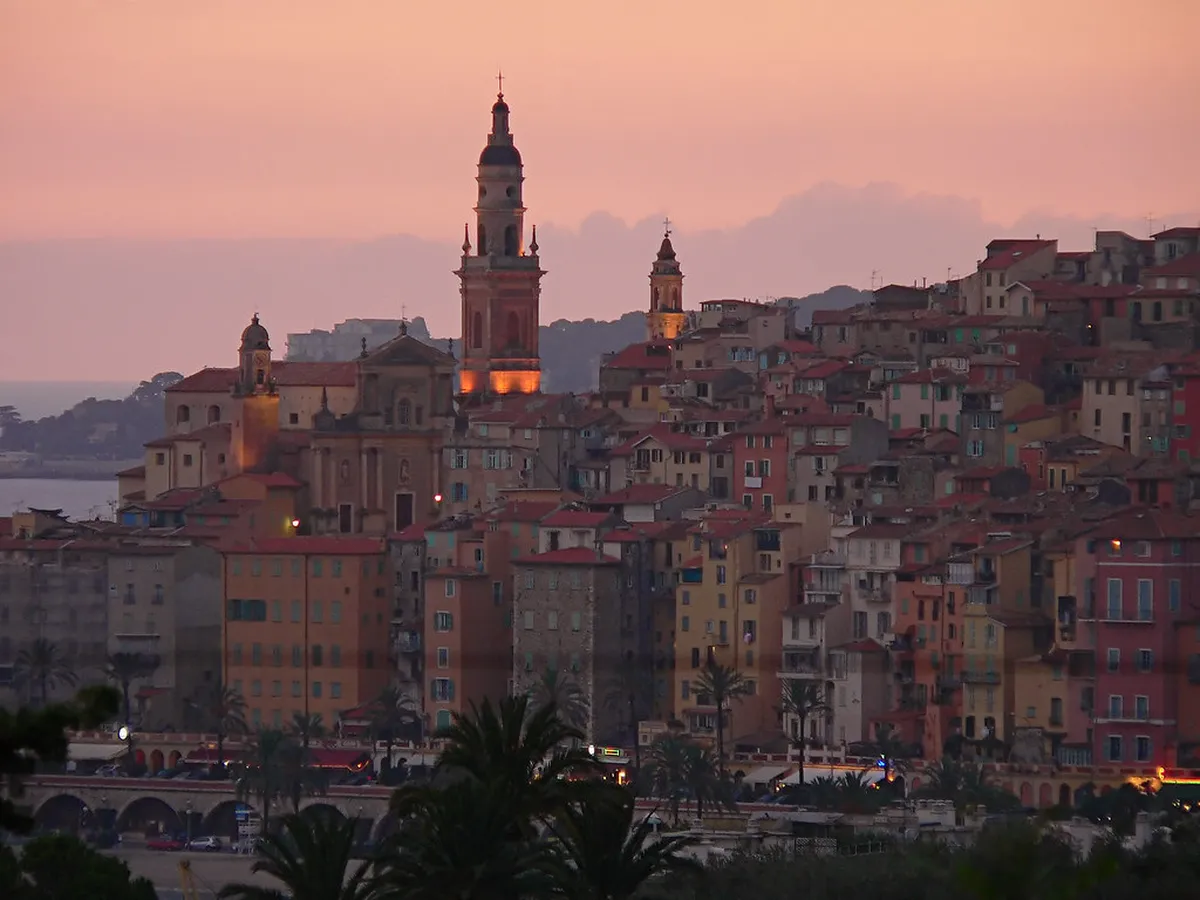
Menton is a stunning coastal town on the French Riviera. It sits near the Italian border and offers unique charm. Many travelers visit specifically to enjoy the vibrant colors of the old town buildings. These warm tones become even more beautiful during the golden hour.
This guide focuses on mastering Menton sunset architecture photography in 2025. You will learn the best techniques for capturing these historic structures. The right timing and gear will help you create professional images. Prepare your camera for an unforgettable creative experience in France.
Essential Gear for Menton Architecture
Choosing the right equipment is the first step for great photos. A wide-angle lens is perfect for narrow streets and tall facades. Most professionals prefer a focal length between 16mm and 35mm. This range allows you to capture entire buildings within a single frame.
A sturdy tripod is also vital for sunset sessions. As the sun goes down, light levels will drop quickly. You will need slower shutter speeds to maintain image quality. A tripod keeps your camera steady to prevent unwanted motion blur.
Consider using a circular polarizer filter for your lens. This tool helps reduce glare from the Mediterranean Sea. It also makes the sky and building colors appear more saturated. These simple additions will improve your architectural shots significantly.
Pack extra batteries and memory cards before heading out. Sunset photography often leads into blue hour sessions. You do not want to run out of power during peak light. Preparation ensures you can focus entirely on your creative process.
Best Photography Spots for Menton Architecture
The Quai Napoléon III is the most famous location in the city. It provides a wide view of the colorful old town skyline. From here, the buildings look like they are stacked on top of each other. This is a primary spot for best photography spots for Menton architecture today.
Another excellent location is the Plage des Sablettes. This beach offers a low-angle perspective of the historic district. The reflections of the buildings in the water add a magical touch. It is especially beautiful when the sea is calm and the sun is low.
Walk up to the Basilique Saint-Michel for a different perspective. This area features stunning Baroque architecture and intricate stone details. The courtyard provides several interesting angles for your camera. You can capture the church tower against the changing colors of the sky.
Explore the Cemetery of the Old Chateau for elevated views. This spot overlooks the entire bay and the harbor below. It offers a peaceful atmosphere for capturing the city's unique layout. The high vantage point helps you see the rooftops clearly.
Camera Settings for the Golden Hour
Set your camera to a low ISO for the cleanest images. An ISO of 100 or 200 is ideal for architectural work. This setting prevents digital noise from ruining the fine details of the stone. High-quality files are easier to edit later in your workflow.
Use a narrow aperture like f/8 or f/11 for maximum sharpness. This ensures that both the foreground and background remain in focus. Architecture looks best when every window and tile is crisp. Smaller apertures also create a pleasing sunstar effect on street lights.
Watch your exposure compensation closely as the sun sets. The bright sky can often trick your camera's light meter. You may need to underexpose slightly to keep the colors rich. This technique prevents the highlights from looking too bright or washed out.
Shoot in RAW format to capture the most data possible. RAW files allow you to adjust shadows and highlights more effectively. This is crucial when dealing with the high contrast of a sunset. You will have more control over the final look of your art.
Composition Tips for the Old Town
Look for leading lines within the narrow pedestrian streets. The cobblestone paths naturally draw the eye toward the center of your frame. Use the tall buildings to create a sense of scale and depth. This approach is explained in our Menton old town architectural guide for enthusiasts.
Incorporate local elements like shutters and wrought-iron balconies. These features add character and tell a story about the local lifestyle. Frame your shots using the many archways found throughout the old district. This creates a natural border that focuses attention on your main subject.
Try shooting from different heights to find unique angles. Squatting low can make the buildings look more imposing and grand. Moving to a higher balcony provides a bird's-eye view of the city layout. Experimenting with perspective will make your portfolio stand out from others.
Pay attention to the balance of colors in your composition. Menton is famous for its yellows, oranges, and deep terracotta reds. Try to include a mix of these tones in every photograph. Contrast these warm colors with the deep blue of the evening sky.
Timing Your Session for Success
Arrive at your chosen location at least one hour before sunset. This gives you time to scout for the best possible angles. The light changes rapidly during the final minutes of the day. You should be ready to shoot when the colors peak. Use our guide for capturing menton architectural details effectively.
The golden hour provides a soft and warm glow on the facades. This light minimizes harsh shadows and highlights the textures of the stone. It only lasts for a short period in 2025. Stay focused and work quickly to capture various different scenes.
Stay for the blue hour after the sun disappears below the horizon. The sky turns a deep indigo color during this brief time. Street lights begin to flicker on throughout the old town. This creates a beautiful contrast between the warm lights and cool sky.
Check the weather forecast for cloud cover before you head out. A few clouds can catch the light and create dramatic colors. However, a completely overcast sky might make the buildings look dull. Clear days are reliable but less dramatic for sunset enthusiasts.
Frequently Asked Questions
What is the best month for sunset photography in Menton?
May and September are the best months for photography. The weather is mild and the light is very soft. You will also encounter fewer tourists during these shoulder seasons. This allows you to set up your tripod without any interruptions.
Where can I find the famous yellow Menton buildings?
The most iconic yellow buildings are located near the Port de Menton Garavan. They line the Quai Napoléon III and face the sea. You can also find beautiful examples along the Rue Longue. These structures glow brilliantly under the warm sunset light.
Do I need a permit for tripod photography in Menton?
Generally, you do not need a permit for personal photography. Professional commercial shoots may require permission from the local town hall. Always be respectful of residents and do not block the narrow paths. Most public areas are free for photographers to enjoy.
Menton offers a dream environment for any architectural photographer. The combination of historic buildings and coastal light is truly unique. By using this guide, you can capture the essence of the French Riviera. Plan your trip for 2025 and start building your sunset portfolio today.
Key Takeaways
- Use a wide-angle lens (16-35mm) for the best architectural shots.
- Arrive at least one hour before sunset to scout locations.
- Shoot in RAW format to preserve details in highlights and shadows.
- Visit Quai Napoléon III for the most iconic skyline view.
- Stay for the blue hour to capture the city lights against the sky.
Related reads: architecturebycity.com, architecture in menton.