
Jean Prouvé Tropical House Prototype in Nancy
Explore the Jean Prouvé tropical house prototype in Nancy. Learn about this 2025 modern architectural gem and book your expert architecture tour today!
On this page
Nancy currently hosts the famous Jean Prouvé tropical house prototype for all visitors to see today. This unique building represents a major achievement in the long history of modern industrial design. You can find this iconic structure located at the local Museum of Fine Arts in Nancy. It showcases how Jean Prouvé solved complex housing problems using simple and efficient industrial methods.
Many architectural experts consider this specific work a true masterpiece of 20th-century metal prefabrication logic. It was originally designed for the extreme heat found within the climate of French African colonies. Today, it remains a vital piece of Jean Prouvé architectural works preserved in eastern France. This structure allows us to understand the genius of one of the greatest French designers.
Technical Design of the Tropical House
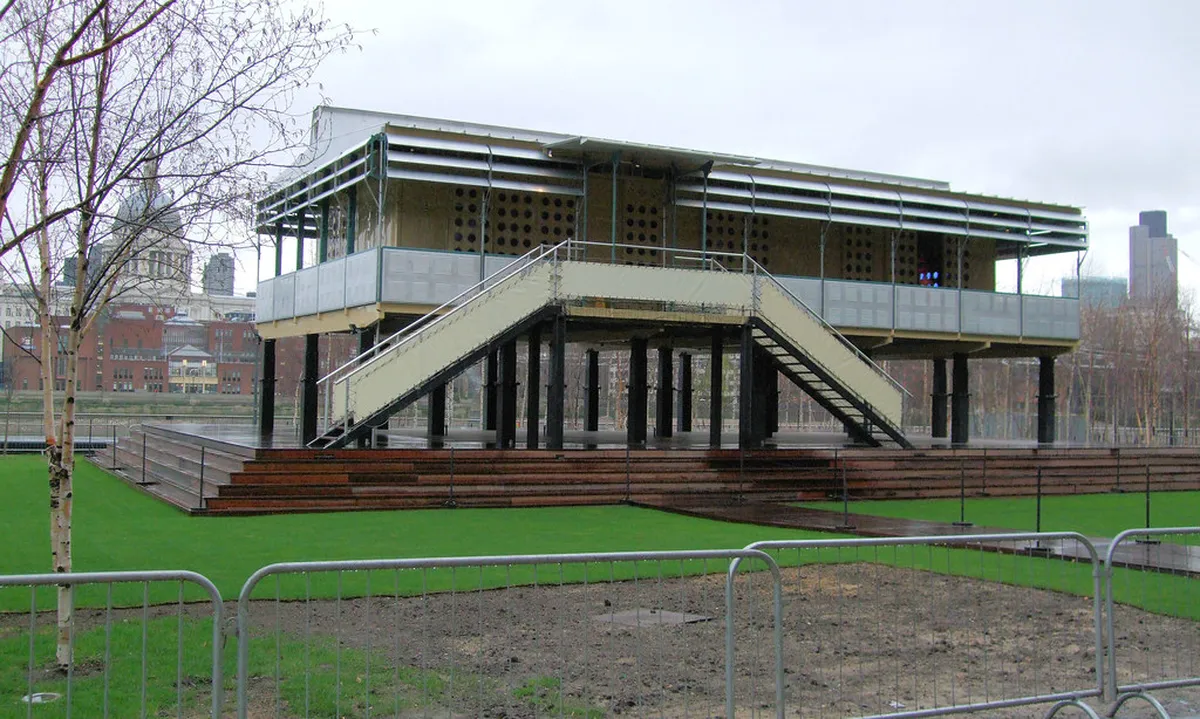
The house utilizes lightweight aluminum panels for the construction of the entire exterior shell structure. These specialized panels made the structure very easy to transport by small planes across the oceans. Prouvé implemented a central steel spine to support the massive weight of the heavy metal roof. This clever engineering allowed for thin walls that do not carry any structural load themselves.
Each aluminum panel features small circular portholes to provide natural light and essential air ventilation. The complex ventilation system uses natural air currents to cool the interior rooms during hot days. This passive cooling method was considered very advanced for the middle of the 20th century period. It completely eliminated the need for heavy mechanical cooling systems in harsh tropical environments worldwide.
The entire floor sits on a sturdy steel frame raised high above the damp ground. This specific elevation protects the living space from tropical moisture and harmful insects in the forest. It also allows cooling air to circulate underneath the house to maintain a pleasant indoor temperature. The design focus remains on functional performance and industrial manufacturing efficiency for the modern era.
Prouvé used high-quality materials that could resist corrosion and wear in very humid weather conditions. The combination of steel and aluminum provided a durable solution for remote and difficult building sites. These materials were carefully chosen to balance the weight and the overall strength of the house. This technical review highlights how logic dictated every single aesthetic choice in the final prototype.
Prefabrication and the Assembly Process
Jean Prouvé built this specific prototype within his large factory located near the city of Nancy. He wanted a house that unskilled workers could assemble quickly using only basic hand tools. Two people can put the basic frame together in just a few short working days. This incredible efficiency made the house ideal for building in very remote and tropical locations.
The individual components are modular and fit together with extreme precision during the assembly process. Each part weighs less than 100 kilograms to ensure easy handling by the construction crew. This weight limit was crucial for shipping parts to the colonies in West Africa by plane. The entire design follows strict industrial standards that allowed for mass production in the factory.
The house represents the peak of the unique factory-built logic developed by Jean Prouvé himself. It uses a very minimal amount of varied parts to simplify the entire construction process significantly. This reduced the total costs of manufacturing the prototype and improved the quality of the building. Visitors in 2025 still admire this very logical and efficient approach to modern residential building.
All the parts were numbered at the factory to ensure that assembly remained simple for everyone. The blueprint for the house was as easy to follow as a modern piece of furniture. This focus on the user experience was a hallmark of the designs created by Jean Prouvé. The prototype stands as a testament to the power of industrial manufacturing for better housing.
Key Architectural Features of the Prototype
The prototype in Nancy displays a unique and functional brise-soleil system on the exterior walls. These adjustable sunshades protect the interior from the harsh and direct heat of the tropical sunlight. They are made from bent sheet metal to provide maximum strength and durability against the elements. This feature adds a very distinct and modern aesthetic to the overall look of the facade.
Inside the house, the layout is open and remains highly flexible for the modern family. Sliding doors allow the residents to change the sizes of the rooms with very little effort. The interior walls do not support any structural weight because of the central steel spine design. This creates a great sense of open space despite the relatively small footprint of the building.
Large windows allow plenty of natural light to enter into every room during the daylight hours. The small portholes provide essential privacy while still letting in a constant flow of fresh air. This careful balance makes the house comfortable to live in during various types of weather conditions. It perfectly shows the deep understanding of human living needs possessed by Jean Prouvé himself.
The use of industrial materials creates a clean and minimalist look that feels very contemporary today. Every element serves a purpose and there is no unnecessary decoration found on the structure. This purity of design is why the prototype remains a favorite for modern architecture students. You can see these features clearly when you visit the site in Nancy this year.
Preservation at the Museum of Fine Arts
The Nancy Museum of Fine Arts currently houses this iconic structure for the general public to view. It sits within a special courtyard that provides the perfect setting for studying the architecture closely. The museum staff restored the prototype to its original 1949 condition with great care and attention. This preservation effort highlights the historical importance of Nancy modernist architecture in the region.
Visiting the museum allows you to see the complex metal joinery of the house very closely. You can observe the original paint colors and the unique textures of the industrial metal panels. The museum provides detailed educational guides about the construction history and the life of Jean Prouvé. It is a top destination for those who want to explore modern design in Nancy.
General admission to the museum costs around 10 Euros for each adult during the 2025 season. The museum is open to visitors from 10:00 AM until 6:00 PM every single day. We highly recommend booking your entry tickets online to skip the long lines at the entrance. This ensures you have plenty of time to study the details of the tropical house prototype.
The museum courtyard is accessible to everyone and provides excellent photo opportunities for your travel blog. You can view the house from multiple angles to understand the full scope of the design. The staff are very knowledgeable and can answer specific technical questions about the metal construction. It is an educational experience that you should not miss while exploring the city center.
The Legacy of the Jean Prouvé Design
The Tropical House remains a powerful symbol of the industrial dreams of the mid-20th century. Only three of these prototypes were ever built and shipped to the colonies in West Africa. However, the design continues to influence many modern sustainable housing projects around the world today. Modern architects still study the natural ventilation and the material choices made by Jean Prouvé.
This work proves that industrial methods can create beautiful and comfortable homes for many different people. It successfully challenged the traditional ideas of architecture that were popular during the post-war period. The vision of Jean Prouvé for affordable and modular housing remains very relevant in the year 2025. The prototype serves as a vital bridge between the worlds of industry and fine art.
Today, the house is considered a very rare and valuable artifact of modern architectural history. It demonstrates the incredible power of using simple materials and smart engineering to solve problems. Collectors now pay millions of dollars for these rare architectural structures at international art auctions. Seeing the prototype in Nancy offers a unique and authentic perspective on this famous design.
You can see how this house influenced other Nancy architecture styles during your walking tour. The city takes great pride in the work of Jean Prouvé and his industrial legacy. Understanding this house helps you appreciate the functional beauty found throughout the entire city of Nancy. It is a landmark that continues to inspire designers across the globe today.
Frequently Asked Questions
Where is the Jean Prouvé tropical house prototype located?
The prototype is located at the Nancy Museum of Fine Arts on Place Stanislas. It is in the city center and easy to reach from the train station. You can walk there in about ten minutes from the main square.
Why did Jean Prouvé use aluminum for the tropical house?
Aluminum is a very lightweight metal that resists rust in humid and tropical environments. This made it the perfect choice for a house that needed to be shipped. It allowed for a fast and easy assembly process in remote areas.
What are the opening hours for the Nancy Museum of Fine Arts?
The museum is open daily from 10:00 AM to 6:00 PM for all visitors. It is usually closed on Tuesdays and certain public holidays throughout the year. Always check the official website for any changes to the schedule before visiting.
How much does it cost to see the Jean Prouvé prototype?
You must pay the standard museum entry fee which is currently 10 Euros per adult. There are discounts available for students, children, and large groups who visit the museum. Entry may be free on the first Sunday of every month in Nancy.
The Jean Prouvé tropical house prototype is a essential landmark for any architecture lover in 2025. It represents a bold and successful experiment in modern industrial design and metal construction. The design remains a masterclass in efficiency and logic for architects working today. Please plan your next trip to see the amazing Nancy architecture very soon.
Key Takeaways
- The house uses lightweight aluminum for easy transport and assembly.
- Passive cooling systems were built directly into the metal wall panels.
- The structure features a central steel spine for maximum structural support.
- You can visit the restored prototype at the Nancy Museum of Fine Arts.
Related reads: architecturebycity.com, maison de jean prouve tour.