
Haussmann Architecture Paris: A Complete 2025 Guide
Discover the secrets of Haussmann architecture Paris. Learn history, features, and the best places to see iconic buildings in 2025. Start your tour now!
On this page
Haussmann architecture Paris defines the famous visual identity of the French capital today. Walking through the city streets reveals a stunning display of uniform limestone facades. These grand buildings emerged from a massive urban renewal project in the mid-nineteenth century. You will find that these structures still dominate the city's aesthetic in 2025.
Baron Georges-Eugene Haussmann led this transformation under the command of Emperor Napoleon III. They wanted to turn a crowded medieval city into a modern, airy metropolis. This guide explores everything you need to know about the architecture in Paris from this era. We will cover historical facts, key design features, and practical visiting tips.
Modern travelers often mistake the Haussmann style for older classical designs. However, these buildings represent a specific period of industrial growth and social change. They feature unique ironwork, slate roofs, and grand boulevards that changed urban living. Understanding these details will enhance your next visit to the City of Light.
The Origins of the 1850s Renovation
The story of Haussmann architecture Paris began with a desperate need for change. In the early 1800s, Paris suffered from overcrowding and poor sanitation. The streets were narrow, dark, and often filled with disease. Napoleon III decided to modernize the city to improve public health and traffic flow.
Baron Haussmann received the task of redesigning the entire city layout in 1853. He demolished thousands of old buildings to create wide, straight boulevards. This massive project is known today as the history of Paris urban renovation 1850s period. It took nearly two decades to complete the most significant changes.
Critics at the time were shocked by the destruction of historic neighborhoods. Many people lost their homes to make way for the new grand avenues. However, the project succeeded in bringing light and air to the city center. It also made it harder for revolutionaries to build street barricades.
The cost of this renovation was enormous for the French government. Haussmann spent billions of francs to rebuild the infrastructure and public parks. Despite the high price, the results define the city's modern character. Most of the buildings you see in central Paris today date back to this period.
The transformation established a new standard for urban planning across the globe. Other cities began to copy the wide streets and uniform building heights. This legacy continues to influence how architects view city design in 2025. You can still feel the impact of this vision in every major district.
Identifying Key Haussmann Design Features
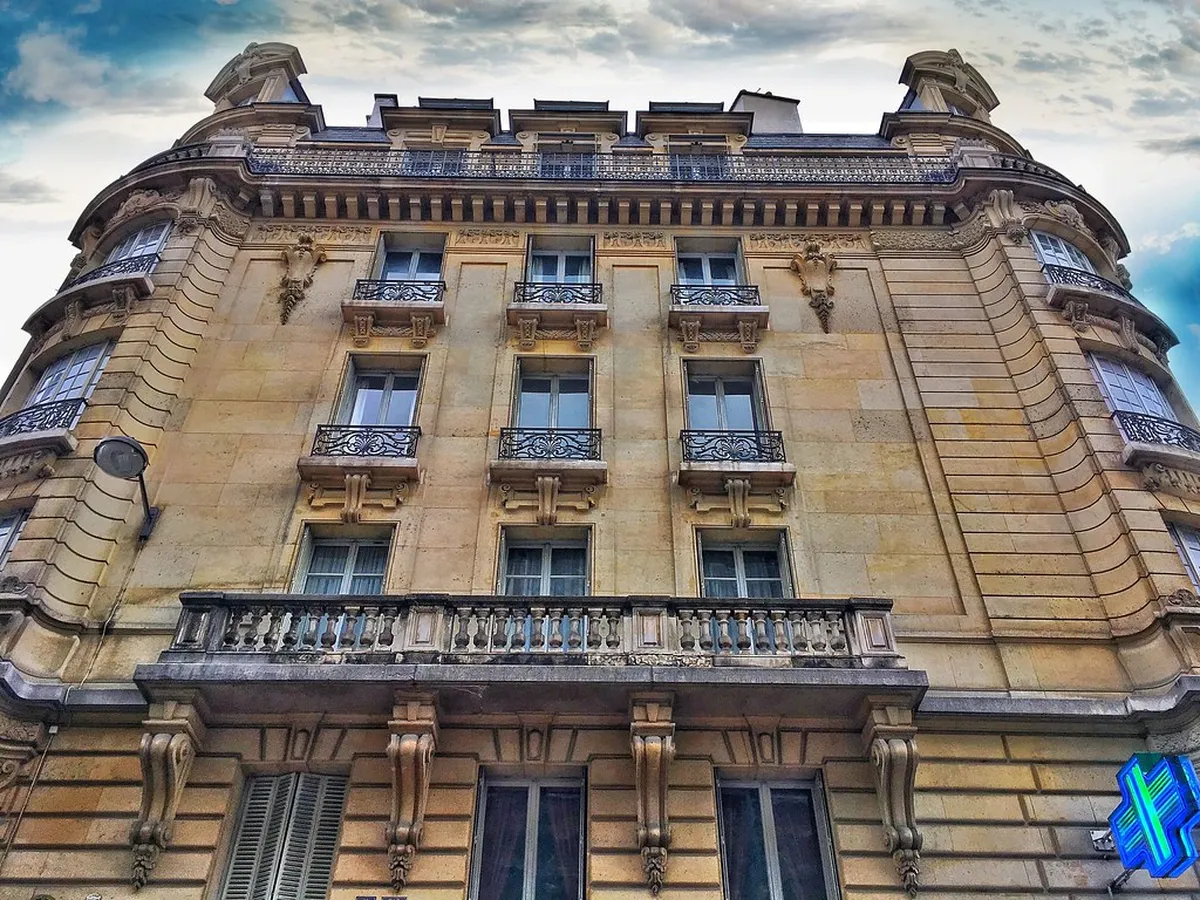
You can easily recognize Haussmann architecture Paris by looking at the building materials. Most structures use Lutetian limestone, which gives the city its creamy white glow. The height of these buildings usually ranges from twelve to twenty meters. This consistency creates a harmonious skyline that looks spectacular at sunset.
Each building follows a strict set of architectural rules for every floor. To learn more, check out how to identify Haussmann style buildings on your next walk. The ground floor usually features high ceilings and thick walls for shops. This level is often decorated with deep horizontal grooves in the stone.
The second floor is traditionally the most prestigious level of the entire house. It features a long, continuous balcony with intricate wrought iron railings. This floor was intended for the wealthiest residents before elevators became common. Look for the most detailed window frames and decorations on this specific level.
The third and fourth floors are generally simpler in their design and layout. They have individual balconies or simple window ledges without extensive decorative carvings. These levels housed the middle class during the nineteenth century. The fifth floor usually features another long balcony to balance the building's appearance.
Finally, the iconic gray zinc roofs sit at a forty-five degree angle. These mansard roofs allow for habitable attic space called "chambres de bonne." Historically, these small rooms were reserved for domestic servants working in the building. Today, many of these spaces have become expensive studio apartments with great views.
The Social Hierarchy of Apartment Layouts
The internal structure of Haussmann architecture Paris reflected the social classes of the era. The wealthiest families lived on the lower floors to avoid climbing stairs. Elevators did not become standard in these buildings until much later in history. This led to a vertical social hierarchy within a single residential block.
A typical Haussmann apartment floor plan characteristics include grand reception rooms. These rooms often face the street to show off the family's status. High ceilings, marble fireplaces, and parquet floors are standard interior features. Large mirrors often hang above the fireplaces to reflect natural light.
Kitchens and service areas were usually located at the back of the building. Servants used a separate staircase to reach the upper floors and attic rooms. This kept the domestic work hidden from the grand main entrance. The dining room served as the heart of family life and social gatherings.
In 2025, these apartments remain highly sought after by local residents and investors. Renovating these historic spaces requires special permits to protect the original craftsmanship. Many owners combine smaller rooms to create modern, open living environments. However, they must preserve the decorative plaster moldings and wooden floors.
Living in a Haussmann building offers a unique blend of history and luxury. The thick stone walls provide excellent natural insulation during the summer months. Large windows allow plenty of sunlight to reach the deep interior rooms. It remains the most desirable way to experience authentic Parisian life today.
Best Neighborhoods for Architectural Tours
To see the best Haussmann architecture Paris, start your journey at the Place de l'Etoile. Twelve grand avenues radiate from the Arc de Triomphe in a perfect star shape. This area showcases the sheer scale and ambition of the Baron's original vision. The uniform facades create a powerful sense of order and grandeur.
The 8th and 9th arrondissements contain many of the city's finest examples. Walk down Boulevard Haussmann to see the grand department stores like Galeries Lafayette. These buildings combine classic stone with massive glass domes and iron frames. You can take an architecture walking tour Paris to learn more about these sites.
The area around the Palais Garnier opera house is particularly impressive and detailed. Architects designed the surrounding buildings to complement the theater's ornate neo-baroque style. Notice how the street corners are often rounded to improve traffic flow. These curves add a graceful touch to the massive stone structures.
Parc Monceau is another excellent spot to view luxury residential Haussmann styles. The buildings facing the park are among the most expensive in the city. They feature extra carvings, larger balconies, and very grand entrance doors. It is a quiet area perfect for photography without heavy tourist crowds.
Don't forget to explore the wide boulevards of the Left Bank as well. Boulevard Saint-Germain offers a mix of Haussmann style and older medieval history. You can see how the new streets were carved through the old city. This creates interesting contrasts between different eras of French architectural design.
Practical Tips for Your 2025 Visit
Visiting Paris in 2025 offers many opportunities to explore historic architecture closely. Many Haussmann buildings now house boutique hotels, museums, or public offices. You can often enter the courtyards of public buildings to see the interiors. Always remember to be respectful of residents when photographing private apartment entrances.
- Look Up: The most interesting carvings are often high above the street level.
- Check the Doors: Haussmann doors are usually massive, wooden, and painted in deep colors.
- Visit Museums: Some museums are located inside perfectly preserved Haussmann mansions.
- Timing: Morning light is best for capturing the warm glow of the limestone.
Expect to spend between 15 and 30 Euros for guided walking tours. Most tours last about two hours and cover the main historical districts. You can also use free mobile apps to guide your self-guided walk. Make sure to wear comfortable shoes for walking on the paved boulevards.
Many cafes are located on the ground floors of these famous buildings. Sitting at a sidewalk table allows you to admire the facade details. Prices for coffee range from 3 to 6 Euros in these areas. It is a great way to rest while enjoying the local atmosphere.
The city is currently cleaning many facades to restore their original white color. You might see scaffolding on some buildings during your trip in 2025. This maintenance ensures the stone remains healthy for future generations to enjoy. The restored buildings look incredibly bright and clean against the blue sky.
Frequently Asked Questions
What is the primary material used in Haussmann architecture?
Most Haussmann buildings use Lutetian limestone from local quarries near Paris. This stone is soft when cut but hardens over time. It gives the city its famous cream-colored appearance. The roofs are typically made of gray zinc or slate.
Why are all the buildings in Paris the same height?
Baron Haussmann created strict regulations to ensure visual harmony across the city. Buildings had to be proportional to the width of the street. This prevented tall structures from blocking sunlight for neighbors. It created the famous uniform skyline we see in 2025.
Can you live in a Haussmann building today?
Yes, thousands of Parisians still live in these historic apartments today. They are considered very prestigious and often command high rental prices. Most have been modernized with elevators and high-speed internet. They remain a symbol of Parisian luxury and style.
Haussmann architecture Paris remains the soul of the city's urban landscape. These buildings represent a bold vision that transformed a medieval town into a masterpiece. From the limestone walls to the zinc roofs, every detail serves a purpose. Visiting these sites in 2025 offers a deep look into French history. Plan your walking tour today to see these grand boulevards in person.
Key Takeaways
- Identify buildings by their limestone walls and zinc mansard roofs.
- The second floor is the most decorative level of the facade.
- Baron Haussmann renovated the city between 1853 and 1870.
- Visit the 8th arrondissement for the best examples of grand boulevards.
- Most buildings follow strict height rules based on street width.
Related reads: architecturebycity.com.