
History of Hector Guimard Metro Entrances
Learn the Hector Guimard metro entrances history. Discover Art Nouveau architecture in Paris for your 2025 trip. See the best metro station photo spots now!
On this page
Paris is a city of timeless beauty and artistic flair. The Hector Guimard metro entrances history shows how art can meet utility. These green structures define Art Nouveau architecture in Paris for every visitor. You will see these swirling iron gates throughout the city streets in 2025.
Hector Guimard designed these entrances at the turn of the century. His work brought natural beauty to the growing underground transport system. Today, these landmarks are symbols of the French capital. They offer a unique glimpse into the creative past of the city.
The Origins of Guimard's Vision in Paris
The Paris Metro project began during the late nineteenth century. Officials wanted the new station entrances to look very modern. They launched an open competition to find the perfect architectural style. Hector Guimard did not actually submit an entry for the first contest.
Guimard was eventually chosen for his bold and innovative ideas. He wanted to bring Art Nouveau architecture in Paris to the public. His style used organic shapes inspired by plants and flowers. This approach changed how people viewed city transport infrastructure forever.
Construction started around 1900 for the famous Universal Exhibition. Guimard designed several types of entrances for different station sizes. Some featured large glass roofs called dragonflies or umbrellas. Others had simple iron railings with elegant amber-colored lamps.
The city wanted the metro to be a grand statement. Guimard used industrial materials to create delicate and natural forms. This combination of iron and nature was very shocking at first. It reflected the changing world of the early twentieth century.
The Hector Guimard metro entrances history began with these early designs. He created 141 different entrances for the city between 1900 and 1913. These structures transformed the streets of Paris into an open-air museum. They remain a vital part of the urban identity today.
Key Design Elements of the Green Entrances
Guimard used cast iron to create fluid and natural shapes. This material was affordable and very easy to mass-produce. The iron was painted a specific shade of dark green. This color mimicked the look of oxidized bronze or forest plants.
The lettering on the signs used a very unique typeface. This font became a hallmark of architecture in Paris during that era. Curvy lines represented the movement of growing vines and stems. These details made every entrance feel like a living sculpture.
The "Edicule" style featured glass panels and strong metal frames. These structures protected passengers from the rain while letting light inside. They were masterpieces of the Art Nouveau movement in France. Today, only a few original glass-roofed entrances remain in use.
Smaller entrances used simple railings called the "entourage" style. These designs were easier to fit into narrow city streets. They featured shields with the letter M for the metro system. The craftsmanship on these railings is still visible in 2025.
The lamps at the entrances are also very famous icons. They look like flower buds or orange berries on stems. These lights provided a warm glow for commuters at night. They are a essential part of the Hector Guimard metro entrances history.
Initial Backlash and Survival of the Designs
Not everyone loved the new designs when they first appeared. Many Parisians thought the organic shapes looked strange and unappealing. Some critics called the style "noodle-like" or far too decorative. This backlash led to many entrances being removed over time.
By the mid-twentieth century, many original structures were sadly destroyed. The city began to regret these losses by the 1960s. They eventually listed the remaining entrances as historical monuments. This protection ensures their survival for future generations of travelers.
Preservation efforts have saved 86 of the original Guimard entrances. These are now cherished as precious cultural treasures in France. The Hector Guimard metro entrances history is a story of survival. We can still enjoy his work across the city today.
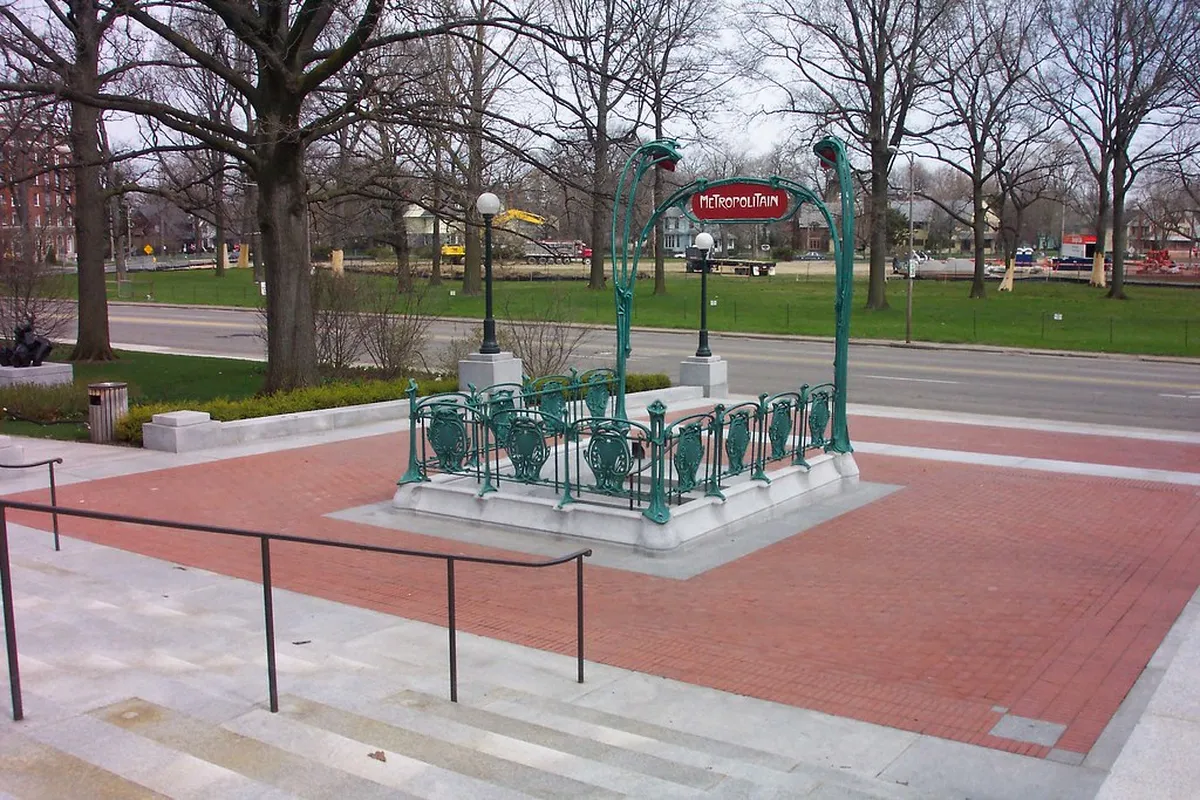
Modern replicas have also been sent to other major cities. You can find Guimard-style entrances in Montreal, Lisbon, and Chicago. These gifts represent the global influence of Parisian Art Nouveau style. They share the beauty of Guimard with the entire world.
Restoration projects continue to maintain these fragile iron structures in 2025. Experts use traditional methods to repair the glass and iron. This work keeps the spirit of the Belle Époque alive. You should appreciate their detail during your next visit.
Where to Find Original Entrances Today
The Place des Abbesses is a top spot for photography. This station entrance is one of the most famous examples. It was moved to Montmartre from its original spot in 1974. The bright green iron looks stunning against the white church nearby.
Porte Dauphine hosts the most complete original Guimard entrance today. It is located at the end of Metro Line 2. This structure still has its original glass and metal panels. It offers a true glimpse into the early twentieth-century vision.
Châtelet station features a large and impressive glass canopy style. This design includes tall lamp posts with red glowing lights. These lamps look like flower buds about to bloom. You can see it while exploring the center of the city.
A architecture walking tour Paris is the best way to see them. You can find many entourage style railings near the Palais Royal. Each location has its own unique charm and historical feel. Look closely at the details of the ironwork there.
Saint-Michel is another great place to spot these historic gates. The metro signs there are very well preserved and clear. Many tourists walk past them without knowing their deep history. Take a moment to admire the curves and patterns.
Cultural Impact and Practical Visiting Tips
Guimard's work influenced many other designers and artists in France. He showed that public utility could also be beautiful art. His legacy lives on in the many Art Nouveau buildings in Paris. You can see his influence in the balconies and doors nearby.
Visiting these stations is free since they are on public streets. Most are located on Metro Lines 1, 2, and 12. You should bring a camera to capture the intricate details. The best light for photos is often during the morning.
Be aware that some entrances are more crowded than others. Abbesses can get very busy with tourists during the weekends. Try visiting Porte Dauphine for a much quieter and peaceful experience. It is located near a beautiful park for walking.
The Hector Guimard metro entrances history is part of a larger story. It represents the optimism and creativity of the Paris Belle Époque. Learning about these entrances makes your metro ride more interesting. Every station tells a story about the history of design.
Keep an eye out for the small details on the iron. You will find patterns that look like seashells and leaves. These tiny touches make Guimard's work truly special and unique. They are the highlights of Parisian street design in 2025.
Frequently Asked Questions
How many Guimard metro entrances are left in Paris?
There are 86 original Hector Guimard metro entrances left in Paris. Most of these are protected as historical monuments today. They are spread across various neighborhoods in the city. You can find many along the oldest metro lines.
What is the best station to see Guimard architecture?
Porte Dauphine and Abbesses are the best stations to visit. Porte Dauphine has a rare and original glass roof design. Abbesses offers a very iconic look for your vacation photos. Both stations represent the Hector Guimard metro entrances history well.
Why are the Paris metro entrances painted green?
Guimard chose green to help the iron blend with nature. The color was meant to look like aged bronze metal. It also matched the trees and parks found throughout Paris. This shade is now a signature part of the city.
The Hector Guimard metro entrances history is a fascinating part of Paris. These structures are more than just doorways to the underground. They are masterpieces of Art Nouveau architecture that everyone can enjoy. Plan your 2025 visit to see these green icons in person. Take a metro ride and experience the beauty of historic French design today.
Key Takeaways
- Visit Porte Dauphine for the most original glass-roofed entrance.
- Look for the signature 'Guimard Green' paint on the ironwork.
- Check the unique Art Nouveau lettering on the station signs.
- Explore the Abbesses station in Montmartre for iconic photo opportunities.
Related reads: architecturebycity.com, castel beranger architectural details.