
Les Choux de Creteil Architecture Guide: Paris Icons
Explore our Les Choux de Creteil architecture guide. Discover history, design, and tips for visiting this Brutalist icon in 2025. Plan your trip today!
On this page
Welcome to the world of unique French design. Les Choux de Creteil stands as a bold landmark in 2025. It remains a core part of any Brutalist architecture Paris tour. These towers look like giant vegetable sprouts reaching for the sky.
Architect Gerard Grandval designed them in the late 1960s. They represent a daring shift from traditional Parisian aesthetics. Critics and travelers alike marvel at their organic shapes. This guide explores why they are so special for architecture fans.
The Visionary Design of Gerard Grandval
Gerard Grandval wanted to break away from boxy shapes. He envisioned organic forms that looked more like nature. His work focused on the vegetable look of the balconies. Each balcony provides privacy and shade for the residents.
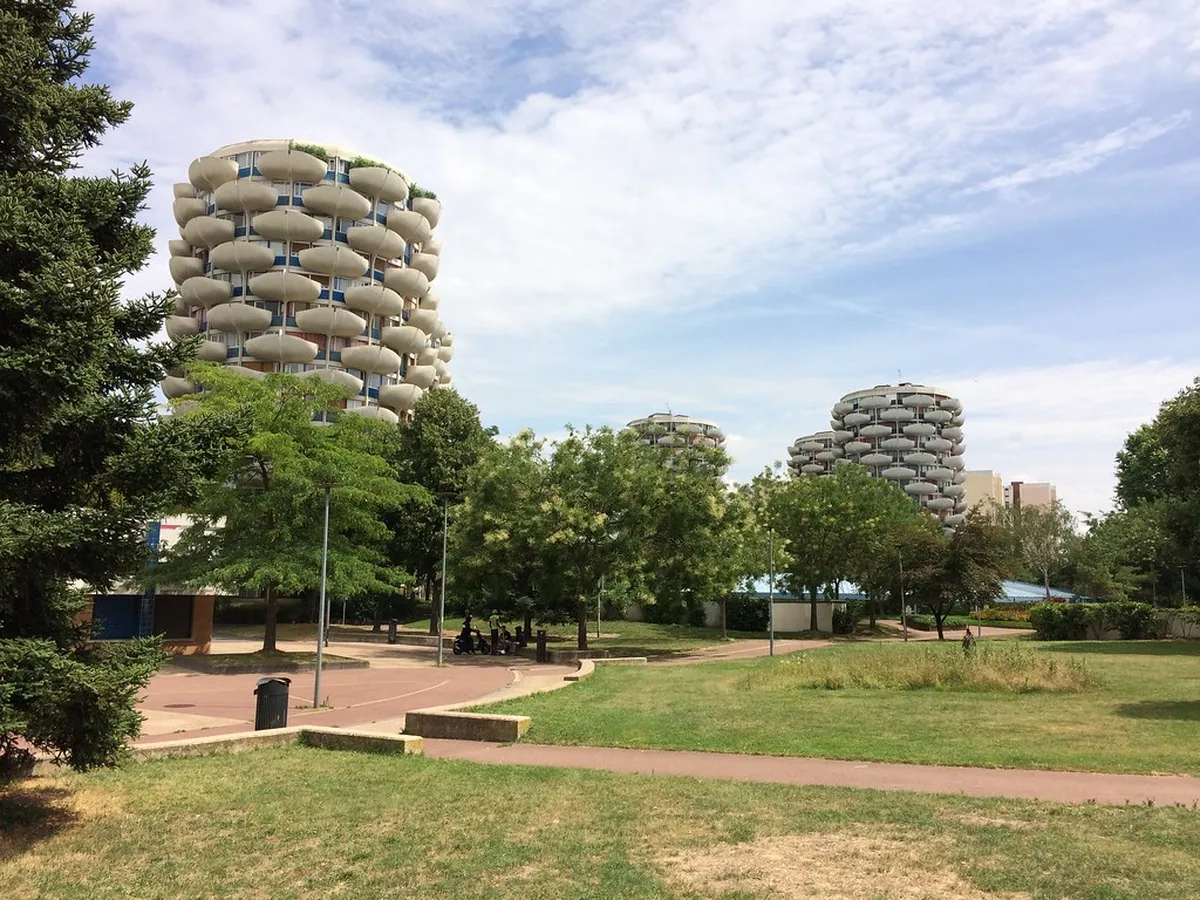
The concrete petals give the buildings their distinctive cabbage-like appearance. This design was highly controversial during its construction in 1974. Critics and residents debated the utility of these rounded shapes. However, they soon became a symbol of modern urbanism.
The site includes ten identical towers rising fifteen stories high. Each tower houses numerous apartments with unique interior layouts. Natural light floods the living spaces through curved window openings. This approach was revolutionary for public housing at the time.
The towers are set within a park-like environment. Pedestrian paths connect the different residential blocks and public spaces. Grandval integrated green spaces to balance the heavy concrete structures. This creates a harmonious atmosphere for the local community.
Historical Context of Creteil’s Urban Growth
Creteil transformed rapidly during the post-war housing boom. The French government needed to house a growing suburban population. They chose this area for an ambitious urban development project. Architects had freedom to experiment with new materials and styles.
This period saw the rise of many contemporary landmarks in Paris. Grandval’s design was part of the Grandes Ensembles movement. These large-scale projects aimed to provide affordable housing for all. They often used modular construction techniques to save time.
The project finished in 1974 after years of planning. It was intended to create a new city center for Creteil. The buildings provided modern amenities like central heating and elevators. This was a massive upgrade for many working-class families.
Over the decades, the neighborhood has evolved significantly. New schools, shops, and transport links now surround the towers. The area serves as a living museum of social history. Visitors can see how urban planning has changed since the 1970s.
Iconic Features of the Vegetable Towers
The most striking feature remains the petal balconies. These balconies are two meters tall and made of concrete. They offer residents a small private terrace for outdoor living. This feature makes the buildings look like massive cabbage heads.
The layout of the apartments follows the circular floor plan. Living areas wrap around the central elevator core of each tower. This creates interesting angles and curved walls inside the homes. It challenges the standard grid system used in most buildings.
Material choice played a huge role in the construction. Raw concrete or beton brut was the primary material used here. This style defines the Brutalist movement seen across France in 1974. The texture of the concrete adds character to the facade.
Color was also an important part of the original design. Initially, the balconies were meant to feature colorful plants and flowers. Grandval hoped nature would eventually cover the concrete petals. This would create a truly living vegetable city in the suburbs.
Visiting Les Choux de Creteil in 2025
Getting to Creteil from central Paris is very easy today. You can take Metro Line 8 to the Creteil-Universite station. The walk from the station to the towers takes ten minutes. It is a scenic route through modern suburban landscapes.
The best time to visit is during the late afternoon. The sun casts long shadows across the curved concrete petals. This creates a dramatic effect for photographers and architecture lovers. You will see the texture of the concrete clearly then.
Respect the privacy of the residents while you explore the site. These towers are still active residential apartment buildings today. Stay on the public pathways and avoid entering the private hallways. Photography from the park areas is generally welcomed and encouraged.
If you enjoy this style, consider an architecture walking tour Paris. Many tours now include the suburbs for a complete perspective. You can learn more about the social impact of these designs. This Les Choux de Creteil architecture guide helps you plan it.
Comparing Creteil to Other Paris Landmarks
Les Choux de Creteil differs greatly from the classic Haussmann style. Haussmann buildings feature straight lines and uniform stone facades. In contrast, the cabbage towers embrace curves and raw concrete textures. Both styles reflect the era in which they were built.
The towers share some similarities with Le Corbusier’s later works. Both architects experimented with modular shapes and concrete as an art form. However, Grandval focused more on organic, plant-like inspirations. This makes Creteil stand out even among other Brutalist structures.
Creteil feels much more futuristic than the historic center of Paris. While the Louvre showcases the past, these towers look toward the future. They represent the optimism of the space age and modern technology. It is a refreshing change for any city traveler.
Modern developments in La Defense also show this spirit of innovation. Both areas push the boundaries of what a building can look like. Visiting both locations gives you a deep understanding of French design. You can see the evolution of the city's skyline over time.
Community Life and Shared Spaces
The original plan for the complex included many shared spaces. Grandval wanted to foster a strong sense of community for residents. He designed nurseries and schools directly within the housing development area. This reduced the need for long commutes for young families.
Large parks and playgrounds sit between the ten residential towers. These spaces provide room for children to play and adults to relax. The landscape design was just as important as the architecture itself. It creates a green lung within the dense suburban environment.
Shops and local services are located at the base of the buildings. Residents can buy groceries or visit the pharmacy without leaving the complex. This city within a city concept was popular in the 1970s. It aimed to provide everything a person needed within walking distance.
Even today, the community remains active and diverse in 2025. Many original residents still live in these iconic cabbage-shaped towers. They take pride in the unique history of their unusual neighborhood homes. The shared spaces continue to serve as vital meeting points.
Frequently Asked Questions
Why are they called Les Choux de Creteil?
They are called The Cabbages because of their round balconies. These concrete petals look like the leaves of a cabbage. Architect Gerard Grandval designed them this way on purpose. He wanted the buildings to look like organic plants.
Can tourists go inside the cabbage towers?
The towers are private residences, so interior access is limited. You cannot enter the apartments or private lobbies without an invitation. However, the surrounding park and public areas are open to everyone. You can view the stunning exterior from many angles.
Is the neighborhood of Creteil safe for visitors?
Creteil is a bustling suburban area and generally safe during the day. It is home to many families, students, and local businesses. Like any city, stay aware of your surroundings in crowded spots. Most visitors find the area welcoming and easy to navigate.
Les Choux de Creteil remains a must-see for design fans in 2025. This Les Choux de Creteil architecture guide highlights its unique place in history. The towers challenge our ideas of what housing should look like. Plan your visit to this incredible Brutalist landmark today.
Key Takeaways
- Take Metro Line 8 to Creteil-Universite for easy access from Paris.
- Respect resident privacy while photographing the unique concrete petals.
- Visit during the golden hour for the best architectural shadows on the facade.
Related reads: architecturebycity.com, architecture in paris.