
Discover Philharmonie de Paris Jean Nouvel Design Features
Explore the Philharmonie de Paris Jean Nouvel design features in 2025. Learn about the acoustics and innovative facade of this icon today. Plan your visit now.
On this page
The Philharmonie de Paris stands as a modern marvel in the heart of France. This building represents a bold shift in French cultural architecture for the modern era. Visitors in 2025 continue to marvel at its unique shape and shimmering metallic skin. Understanding the Philharmonie de Paris Jean Nouvel design features helps you appreciate this complex artistic structure.
Jean Nouvel designed this building to look like a mountain of cast aluminum. It sits within the famous Parc de la Villette in the nineteenth arrondissement. This location makes it one of the most prominent contemporary landmarks in Paris today. The hall offers more than just a place for music and performance. It serves as a social hub for the local community and global travelers alike.
The Symbolic Aluminum Bird Facade Skin
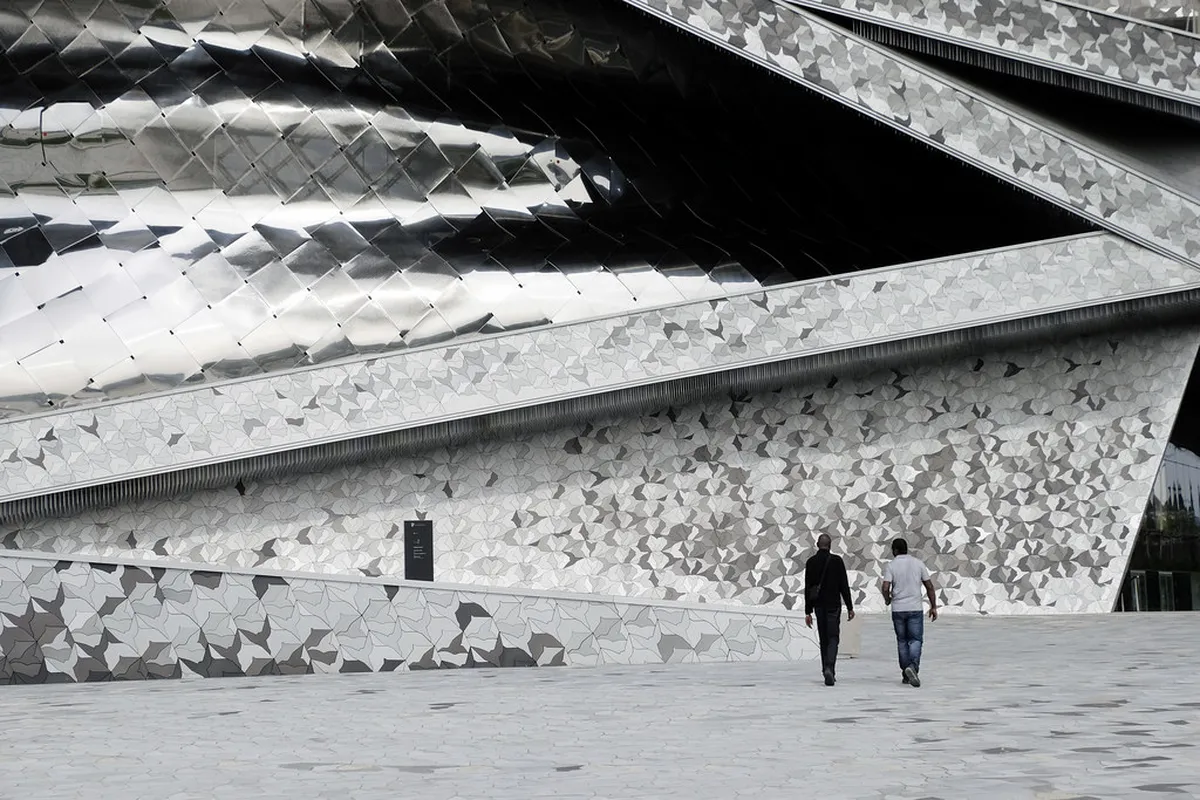
The outer shell is one of the most striking Philharmonie de Paris Jean Nouvel design features. Nouvel used over three hundred thousand cast aluminum birds to cover the entire surface. These birds come in seven different shapes and four distinct shades of gray. They create a massive mosaic that reflects the changing Parisian sky throughout the day.
The pattern symbolizes a flock of birds taking flight from the park grounds. This design choice blends the massive structure with its natural surroundings. Light bounces off the metallic scales to create a shimmering effect in the sun. It makes the building appear dynamic rather than static and heavy. This facade is perfect for those seeking the best rooftops for Paris architecture photography during the golden hour.
Each aluminum piece was carefully placed to ensure the overall visual harmony. The shades transition from light silver at the top to dark charcoal at the base. This gradient helps the building look like a natural extension of the earth. The skin also serves as a protective layer for the acoustic chambers within. It is a masterpiece of both engineering and artistic expression.
Maintaining this complex facade requires specialized equipment and regular care in 2025. The aluminum resists weather damage while keeping its metallic luster for decades. It reflects the architect's desire to use industrial materials in poetic ways. This skin defines the building's identity in the Parisian skyline.
Acoustic Excellence of the Grande Salle
The Grande Salle Pierre Boulez is the heart of the Philharmonie experience. Jean Nouvel collaborated with top acoustic experts to create a perfect sound environment. The hall uses a unique surround-style seating arrangement for the audience. This brings the listeners closer to the orchestra for an intimate feeling. No seat is more than thirty-two meters away from the conductor.
The room features floating balconies that seem to defy the laws of gravity. These structures help diffuse sound waves evenly across the entire large space. Acoustic clouds hang from the ceiling to adjust the sound for different genres. This flexibility allows the hall to host jazz, rock, and classical music. It is truly a versatile venue for the twenty-first century.
Wood panels line the interior to provide warmth and resonance to the music. The designers chose specific types of wood to enhance the low frequencies. This attention to detail ensures a rich and immersive listening experience for all. Every surface in the room serves a specific sonic purpose. The result is a hall that musicians and audiences love equally.
The seats themselves are designed to absorb sound just like a human body. This ensures the acoustics remain consistent whether the hall is full or empty. Advanced computer modeling helped Nouvel reach this high level of technical precision. The Grande Salle remains a global benchmark for modern concert hall design.
Integration with the Parc de la Villette
Nouvel wanted the building to feel like a part of the landscape. It does not sit on the ground like a traditional square box. Instead, the architecture rises like a metallic hill from the green park. Pedestrians can walk directly onto the roof via long sloping ramps. This design encourages public interaction with the architectural form itself.
The building links the historic city center with the growing suburbs of Paris. It acts as a cultural bridge for people from all walks of life. Large open plazas surround the entrance to host outdoor events and gatherings. This makes the Philharmonie a lively destination even when no concerts are playing. You can include it in your next architecture walking tour in Paris for a modern perspective.
The gardens around the structure feature local plants that change with the seasons. In spring, the greenery contrasts beautifully with the cold gray aluminum birds. The paths are wide and accessible for visitors of all mobility levels. Jean Nouvel prioritized the user experience in his grand urban vision. The park and the building exist in a state of perfect balance.
Inside, the foyers are spacious and filled with natural light from large windows. These windows offer views of the park and the nearby Zenith theater. The transition from the outdoors to the indoors feels smooth and natural. It is a welcoming space that removes the elitism often found in classical music.
The Public Rooftop and Urban Views
The roof of the Philharmonie is a destination in its own right. It stands thirty-seven meters above the ground at its highest point. Visitors can climb to the top for a panoramic view of northern Paris. You can see the Eiffel Tower and the Sacré-Cœur from this vantage point. The roof is open to the public for free during the day.
The walking paths on the roof follow the curves of the building's shell. These paths are made of the same gray aluminum found on the facade. Walking on the roof feels like exploring a futuristic mountain range. It provides a unique physical connection between the visitor and the architecture. This space is a favorite for local residents and tourists in 2025.
A high-altitude restaurant offers dining with a view for special evening occasions. The terrace provides a perfect spot to watch the sunset over the city. Strategic lighting makes the roof look magical after the sun goes down. The building truly comes alive when the city lights begin to twinkle. It is a highlight of modern urban planning in France.
Security measures are in place to ensure a safe experience for everyone. The slopes are gentle enough for most people to walk comfortably. Elevators are also available for those who prefer not to use the stairs. Nouvel succeeded in making a private cultural venue feel like a public park. The roof is a gift to the people of Paris.
Frequently Asked Questions
What are the main Philharmonie de Paris Jean Nouvel design features?
The main features include the aluminum bird facade and the floating balconies. The building also features a public rooftop and surround-style seating in the hall. These elements blend modern technology with artistic vision. Jean Nouvel focused on both acoustics and urban integration.
How many birds are on the Philharmonie de Paris facade?
There are approximately 340,000 cast aluminum birds on the building surface. They are arranged in a complex mosaic pattern with seven different shapes. These birds come in four shades of gray to create depth. This design reflects the sky and the surrounding park environment.
Can you visit the roof of the Philharmonie de Paris for free?
Yes, the public rooftop is free and open to everyone during the day. You can access it via the exterior ramps or the elevators. It offers stunning 360-degree views of the Paris skyline and the park. It is a great spot for photography and relaxing outdoors.
Is the Philharmonie de Paris accessible for disabled visitors?
The building is fully accessible with ramps and elevators throughout the site. The Grande Salle has dedicated spaces for wheelchair users and their companions. Staff members are available to assist with any specific accessibility needs. Modern design ensures that everyone can enjoy the music and architecture.
The Philharmonie de Paris remains a pinnacle of contemporary design in 2025. Jean Nouvel created a space that serves the music and the community perfectly. Its metallic skin and world-class acoustics set it apart from other global venues. You should definitely visit this landmark during your next trip to the French capital. Explore the roof and hear a concert to truly feel the magic of this place.
Key Takeaways
- The facade features 340,000 aluminum birds in seven different shapes.
- The Grande Salle uses surround seating to keep audiences close to the music.
- A free public rooftop offers some of the best panoramic views in Paris.
Related reads: architecturebycity.com, architecture in paris.