
Place des Vosges Architecture Analysis: 2025 Study
Read our Place des Vosges architecture analysis. Explore its 17th-century design and Le Marais architectural history in this comprehensive 2025 guide.
On this page
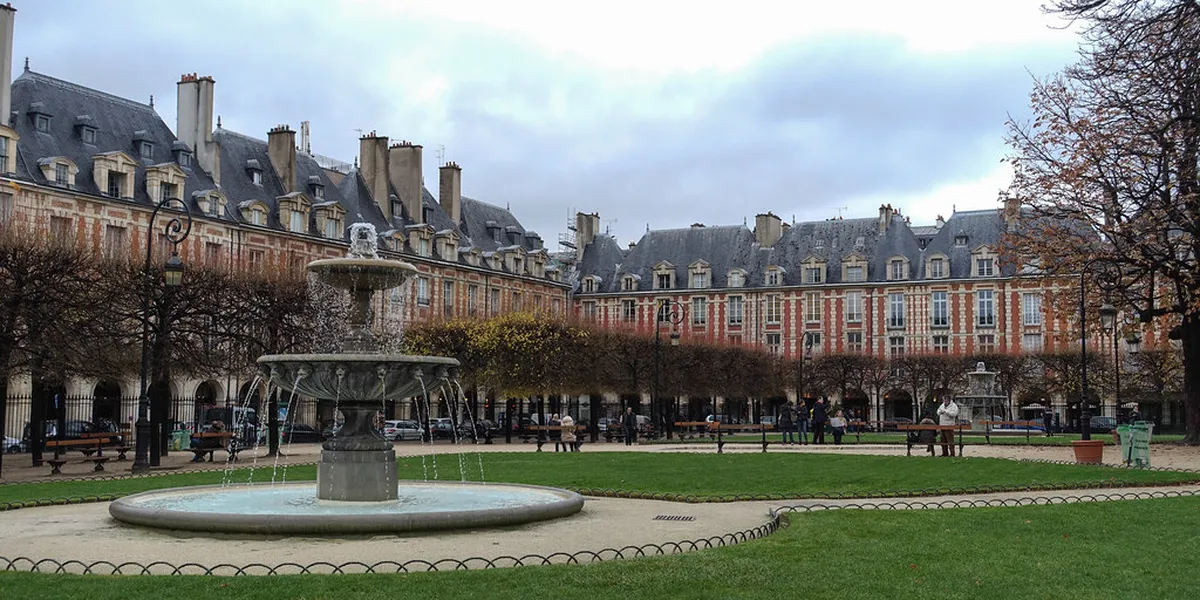
Place des Vosges remains a crown jewel of Parisian urban design in 2025. This Place des Vosges architecture analysis explores the royal square's unique and historic features. King Henri IV commissioned the project to transform the local district into a royal hub. It serves as the primary example of early seventeenth-century French residential planning today.
The square sits in the heart of the city and attracts thousands of architecture lovers. Its perfect symmetry and vibrant red brick stand out among the gray limestone streets. Understanding this site is essential for anyone studying the Le Marais architectural history. It represents a bold shift toward organized city development during the Bourbon dynasty.
The Evolution of Le Marais Architectural History
The Marais district was once a swampy area located outside the old city walls. It underwent a massive transformation when the royal court moved to this central location. This period defined the early stages of architecture in Paris for the nobility. Many wealthy families built grand homes near the new royal square during this time.
These impressive structures are known as hotels particuliers in Le Marais and show great wealth. The Place des Vosges acted as the centerpiece for this prestigious residential neighborhood. Developers followed strict rules to ensure every building matched the king's grand aesthetic vision. This created a unified look that was very rare in medieval European cities.
The square originally served as a venue for royal tournaments and festive public celebrations. It provided a spacious and open area for the elite to gather and socialize. The surrounding buildings offered luxurious apartments for high-ranking members of the French royal court. This social dynamic shaped the physical layout of the entire district for centuries.
Symmetry and Materials in Place des Vosges Architecture Analysis
This Place des Vosges architecture analysis highlights the square's remarkable and strict geometric symmetry. The plaza consists of thirty-six residential houses built with identical proportions and heights. Each side of the square features nine buildings that form a continuous facade. This uniformity creates a harmonious and balanced visual experience for every visitor.
The architects used a striking combination of red brick and light-colored limestone blocks. This material choice was innovative and cost-effective compared to using solid stone blocks. The contrasting colors create a rhythmic pattern that wraps around the entire public square. Blue slate roofs with steep pitches provide a dramatic finish to the structures.
Architects employed the "chaînage" technique to strengthen the corners of every brick building. They used light limestone to frame the windows and create vertical lines of strength. These details emphasize the height of the four-story residences while maintaining a sense of order. The consistent use of materials ensures that no single house distracts from the collective.
The Role of Pavilions in Royal Urbanism
Two unique pavilions stand slightly taller than the rest of the uniform residential houses. The Pavillon du Roi sits on the southern side of the central square. Directly opposite it, the Pavillon de la Reine dominates the northern entrance to the park. These structures served as symbolic gateways for the king and his royal entourage.
The pavilions feature three arches on the ground floor to allow for pedestrian passage. Their heightened roofs and ornate details signal their special status within the urban hierarchy. They provide a clear focal point for the two main axes of the square. This arrangement demonstrates the Renaissance principles of perspective and central focus in design.
Ground floor arcades run beneath every building to provide a sheltered walkway for residents. These vaulted passages protect pedestrians from rain while offering space for commercial art galleries. The arcades create a sense of depth and shadow at the base of the facades. This architectural feature encourages walking and social interaction within the protected square.
Influence on Modern Parisian Urban Design
Place des Vosges served as the blueprint for several other royal squares in France. Its design influenced the construction of Place Vendôme and the iconic Place de la Concorde. Urban planners admired how it combined residential living with public park space effectively. It proved that high-density housing could be both beautiful and highly functional.
The central park area features rows of trimmed linden trees and cooling water fountains. These elements provide a peaceful escape from the busy streets of modern-day Paris. Residents and tourists use the green space for relaxation and quiet reflection during the day. The square remains one of the most desirable residential addresses in the city.
Preservation efforts in 2025 ensure the square retains its original seventeenth-century charm and character. Strict building codes prevent any modern alterations to the historic and protected facades. This commitment to heritage allows visitors to experience the square exactly as it looked. It stands as a living museum of French classical architecture and urban planning.
Frequently Asked Questions
What makes the architecture of Place des Vosges unique in Paris?
The square is unique because it uses red brick and stone instead of limestone. This combination creates a vibrant color palette that is rare in central Paris. Its perfect symmetry across thirty-six identical houses also sets it apart from other sites.
Who was the main architect responsible for Place des Vosges?
Louis Métezeau is often credited with the original design of the royal square. He worked under the direction of King Henri IV to create the uniform layout. His work established the standards for French classical residential design during that era.
Can visitors enter the buildings at Place des Vosges?
Most buildings remain private residences or luxury hotels and are not open to the public. However, visitors can explore the ground floor arcades and various art galleries. You can also visit Victor Hugo's former home which is now a public museum.
This Place des Vosges architecture analysis shows the enduring power of symmetrical urban design. The square remains a vital part of the city's identity and history in 2025. Its blend of red brick and stone continues to inspire architects and travelers alike. Visit the Marais soon to experience this seventeenth-century masterpiece for yourself today.
Key Takeaways
- Place des Vosges is the oldest planned square in Paris and dates back to 1605.
- The square features 36 identical houses built with red brick, stone, and slate.
- Ground floor arcades offer public walkways and house several world-class art galleries.
Related reads: architecturebycity.com.