
Palais des Rois de Majorque Architecture Deep Dive
Explore Palais des Rois de Majorque architecture in Perpignan. Learn about this 13th-century fortress today. Visit this French royal masterpiece in 2025.
On this page
The Palais des Rois de Majorque architecture remains a symbol of Perpignan. This 13th-century palace sits proudly on a high hill. It offers a unique look at the Kingdom of Majorca. Travelers can explore the site's rich history and design.
The fortress blends royal residence features with military strength. This monument is one of the oldest royal homes in France. Its red brick and white stone create a striking look. Visiting this site is essential for any architecture lover.
Medieval Foundations of the Royal Palace
King James II started the palace construction in 1276. He wanted a grand home for his new kingdom. Perpignan was the mainland capital of his island realm. The architecture in Perpignan changed forever because of this.
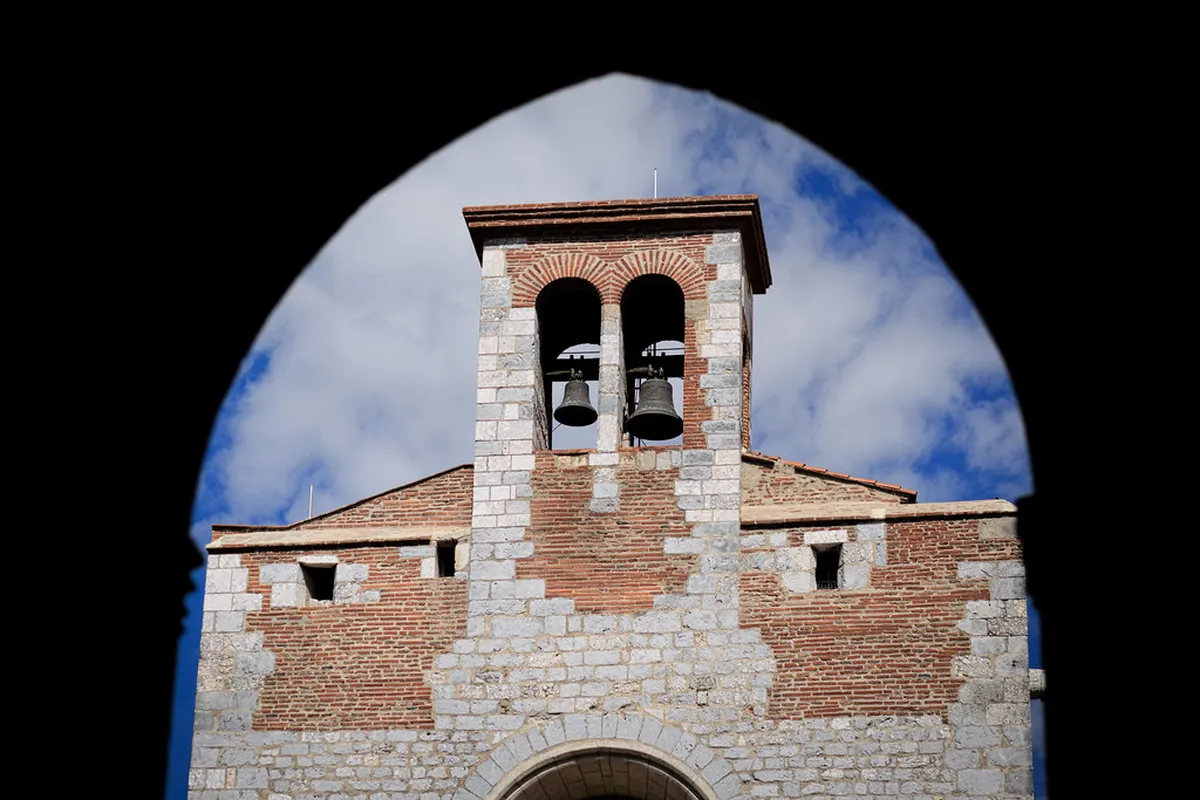
The palace took over thirty years to complete fully. It reflects the wealth of the Mediterranean trade routes. Architects used local materials like river stones and marble. This combination gave the walls their famous textured appearance.
The site covers a large area on the city edge. It served as a palace and a military base. Guards watched for enemies from the high towers. The design prioritized both safety and royal comfort.
Visitors can still see the original medieval footprint today. The base of the walls remains incredibly thick. These foundations have supported the structure for centuries. It stands as a testament to medieval engineering skills.
Examining Palais des Rois de Majorque architecture
The Majorcan Gothic architecture in Perpignan is quite distinct. This style uses wide horizontal spaces instead of vertical height. The main halls feel airy and very open. Natural light fills the rooms through tall windows.
The Great Hall is a masterpiece of Gothic design. It features large arches that support the heavy roof. These arches show the skill of medieval stone masons. You can still see original decorative details today.
Wooden ceilings decorated with paint once covered the rooms. Only fragments of these colorful designs remain now. They depict plants, animals, and heraldic symbols. These details show the elegance of the royal court.
The Palais des Rois de Majorque architecture emphasizes simple lines. It avoids the heavy ornamentation found in northern Gothic styles. This creates a clean and powerful visual impact. It reflects the sun-drenched atmosphere of the Mediterranean coast.
Defensive Walls and Vauban Fortifications
The palace transformed during the 17th century. French engineers added massive modern fortifications to the site. They used red bricks to build thick sloping walls. These walls could withstand heavy cannon fire during wars.
Sébastien Le Prestre de Vauban designed these later defenses. His Vauban fortifications in Perpignan are famous worldwide. He turned the medieval palace into a modern citadel. This ensured the city remained a French stronghold.
The star-shaped outer walls created a complex defense system. Soldiers could cover every angle of the surrounding fields. The deep dry moats prevented easy access for attackers. This design represents the peak of military engineering.
Comparing this site to Le Castillet architecture shows different defensive eras. One focuses on urban gates while this is a full fortress. Both structures define the historic character of Perpignan today. They provide a clear timeline of military growth.
The Unique Courtyard and Internal Layout
The Majorcan court architectural layout centers on a large square. This courtyard connects all the main royal buildings. Two levels of galleries surround this open central space. These galleries provided shade and shelter for the royals.
The ground floor features sturdy semi-circular arches. These arches support the more delicate upper level. The upper gallery uses elegant pointed Gothic arches. This contrast adds visual interest to the courtyard.
Large staircases lead visitors between the different palace levels. The steps are wide and built from solid stone. They were designed for royal processions and grand entries. Every corner of the court served a purpose.
The layout also includes hidden passages for servants. These allowed staff to move without bothering the king. Modern visitors can explore many of these secret areas. The design shows careful planning for royal life.
Materials Used in the Palace Construction
The stone used for Palais des Rois de Majorque architecture came from nearby. Builders sourced white and red marble from regional quarries. This stone adds a touch of luxury to the windows. You can see the marble shine in the sun.
Local river stones also make up the thick walls. These round stones were easy to find nearby. They create a unique texture in the masonry work. Workers layered them with strong mortar for durability.
Large oak beams support the interior floors and roofs. These beams have survived for hundreds of years. They show the quality of medieval timber framing. The wood came from the surrounding mountain forests.
The use of brick is also very important here. Red bricks define the later French defensive additions. This material was cheaper and faster to build with. The mix of materials creates a colorful facade.
Practical Information for Your 2025 Visit
The palace provides amazing views of the Roussillon plain. You can see the peak of Mount Canigou clearly. These views were strategically important for medieval scouts. Today, they offer perfect photo spots for tourists.
Visitors in 2025 should check the opening hours. The palace usually opens at 10:00 AM every morning. It closes around 17:00 during the winter months. Summer hours are often extended until 18:00.
- Location: Rue des Archers, 66000 Perpignan
- Price: Adult entry is approximately 7 EUR
- Duration: Plan for at least 2 hours
The climb to the palace is somewhat steep. Wear comfortable shoes for the walk up the hill. There is a small gift shop near the entrance. You can buy books about the palace history there.
The site hosts various cultural events and concerts. Music sounds incredible within the thick stone walls. Check the local calendar before you plan your trip. These events bring the ancient architecture back to life.
Frequently Asked Questions
What is the style of the Palais des Rois de Majorque?
The palace is primarily built in the Majorcan Gothic style. This style features wide naves and simple, elegant arches. It is distinct from the taller Gothic styles of Northern France. The fortress also includes 17th-century military fortifications.
When was the Palais des Rois de Majorque built?
Construction began in 1276 under King James II. It took over thirty years to complete the main palace. The site was later modernized by Vauban in the 1600s. These different layers tell the story of Perpignan.
Who lived in the Palace of the Kings of Majorca?
The palace served as the home for the Kings of Majorca. They ruled a kingdom that included the Balearic Islands. Perpignan was their mainland capital for many years. Later, it became a military barracks for French troops.
Can you visit the inside of the palace?
Yes, the palace is open to the public for tours. You can explore the royal apartments and the chapels. The courtyard and the defensive ramparts are also accessible. It offers a full deep dive into medieval life.
The Palais des Rois de Majorque architecture is a French treasure. It stands as a witness to centuries of change. From Gothic luxury to military might, it has it all. Plan your visit to this Perpignan icon today.
The fortress remains a highlight of any trip to the region. It offers history, beauty, and incredible panoramic views. Explore the legacy of the Kings of Majorca in 2025. This site is a must-see for all travelers.
Key Takeaways
- The palace is a rare example of Majorcan Gothic design.
- Vauban added massive red brick fortifications in the 17th century.
- The central courtyard features two levels of unique arched galleries.
- It offers the best views of Perpignan and the Pyrenees.
- Visiting takes about two hours and costs 7 euros.