
Reims Champagne Cellar Chalk Pits Architecture Guide
Discover the unique Champagne cellar chalk pits architecture in Reims. Learn technical details of crayères in this expert 2025 guide for travelers. Book now!
On this page
Reims houses a hidden world of immense beauty deep beneath its historic city streets today. Ancient Roman chalk pits now form the structural base for world-class wine storage facilities here. This technical guide explores Champagne cellar chalk pits architecture in great detail for modern travelers. Exploring these subterranean wonders offers a unique perspective on the intersection of industry and art.
Visiting these deep caverns in 2025 provides a rare look at ancient engineering and luxury wine production. The massive scale of these underground cathedrals impresses every person who descends into the cool dark. Architects and historians admire the raw surfaces and clever structural designs found throughout these limestone galleries. You will discover how ancient mining techniques created the perfect environment for the world’s most famous wine.
The Roman Origins of Champagne Cellar Chalk Pits Architecture
The ancient Romans first excavated white chalk to provide materials for local building projects nearby. They carved massive inverted cone shapes deep into the thick layers of local soft limestone here. These underground pits, known as crayères, provided essential stone for early city construction efforts long ago. Architects from the Roman era focused on extracting the highest quality stone for their grand monuments.
Today, these pits serve as the foundational Champagne House architecture element for famous sparkling wine brands. Modern visitors can see the tool marks left by stone cutters nearly two thousand years ago. The preservation of these marks adds a tangible sense of history to the wine aging process. Each pit tells a story of human labor and industrial evolution throughout the passing centuries.
The shape of each quarry was determined by the stability of the surrounding chalk layers above. Workers excavated from the top down to create narrow openings that widened into massive underground rooms. This specific geometry ensured the structural integrity of the earth while maximizing the yield of building stone. The result is a series of towering bottle-shaped voids that feel like sacred spaces for visitors.
These ancient sites remained abandoned for centuries before the rising wine industry discovered their incredible potential. Champagne makers realized that these deep holes offered the perfect climate for secondary fermentation and storage. This reuse of Roman industrial sites is a brilliant example of architectural adaptation in northern France. The transition from active quarry to wine cellar saved these unique structures from certain collapse.
Technical highlights of Roman quarrying include:
- Vertical extraction shafts
- Inverted cone geometry
- Hand-carved limestone surfaces
- Manual pulley systems for lifting stone
Structural Characteristics of Subterranean Chalk Pits
The soft white chalk maintains a steady temperature of exactly eleven degrees Celsius throughout the year. This natural thermal regulation is absolutely vital for the delicate process of fermenting fine wines correctly. The porous rock allows for the easy carving of deep vertical shafts and expansive storage galleries. These impressive shafts often reach depths of nearly forty meters beneath the busy surface streets today.
High humidity levels within the chalk walls prevent wine bottle corks from drying out over time. Constant moisture ensures that the seal remains tight and protects the quality of the aging vintage. The natural environment of the crayères provides a darkness that is essential for preventing light strike damage. These technical factors make the chalk pits superior to any modern refrigerated storage facility available today.
Engineers from the eighteenth century began reinforcing the natural chalk with beautiful red brick archways and pillars. These additions were necessary to support the weight of heavy machinery and expanding city infrastructure above ground. The combination of white limestone and red brick creates a striking visual contrast for architectural photographers. This blend of natural and man-made materials defines the classic aesthetic of the historic Reims cellars.
The physical density of the chalk acts as a natural sound insulator for the delicate sparkling wines. Vibrations from the city traffic above are absorbed by the thick layers of soft sedimentary rock here. Minimal vibration is crucial for the long-term maturation of premium Champagne bottles stored in the depths. Every structural element of the pit works together to create a peaceful sanctuary for the wine.
Key structural benefits of chalk include:
- Constant natural temperature
- High ambient humidity levels
- Total darkness for aging
- Vibration absorption properties
Vertical Shafts and Advanced Ventilation Systems
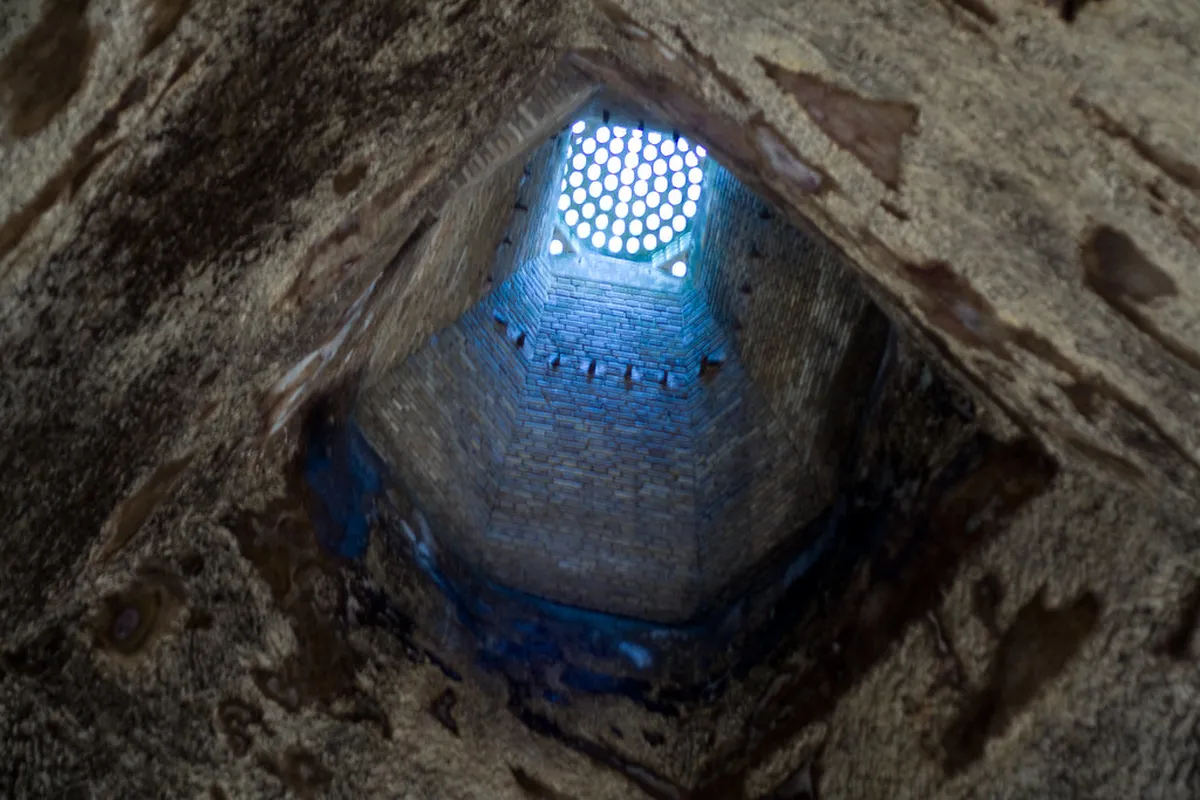
Narrow openings called air vents connect the deep underground pits directly to the open surface above. These vertical chimneys provided necessary light and fresh oxygen for the ancient Roman mining crews long ago. Modern engineers maintain these critical shafts to control internal air pressure within the historic cellars today. This natural ventilation system remains functional and effective after nearly two thousand years of continuous use.
The ventilation system prevents the dangerous buildup of carbon dioxide during the natural fermentation stage of production. Efficient airflow is required to keep the environment safe for workers who monitor the wine bottles daily. Architects designed the height and width of these shafts to maximize air circulation without using mechanical fans. This passive cooling technique is a testament to the brilliance of early architectural planning in Reims.
During the winter months the cold air sinks down through the shafts to refresh the cellar atmosphere. In the summer the warm air stays near the top and keeps the lower levels perfectly cool. This natural thermal siphon helps maintain the ideal eleven-degree temperature required for the best sparkling wines. The design of the essor d air is a masterclass in sustainable climate control for architecture.
Many of these shafts are now covered by decorative stone kiosks or iron grates on the surface. You can see these interesting architectural features while walking through the residential neighborhoods of the Moissons district. They serve as a constant reminder of the vast world that exists just below your feet here. These vents are essential components of the overall architecture in Reims and its historic heritage.
The ventilation design features include:
- Passive air circulation
- Thermal siphon effects
- Surface light penetration
- Carbon dioxide management
Connecting the Subterranean Galleries and Tunnels
Eighteenth-century wine houses connected individual pits using long vaulted tunnels made of local stone and brick. These narrow galleries now create a vast complex labyrinth hidden beneath the modern city streets and parks. Traditional brick lining often reinforces the soft chalk walls in specific high-traffic storage zones for safety. Architects designed these paths to optimize the transport of thousands of heavy glass bottles every single day.
You can explore these tunnels on a Reims architecture walking tour to see the expert engineering in person. The sheer length of the combined cellar networks in Reims exceeds two hundred kilometers of underground space. Each tunnel serves a specific purpose in the production line of the famous sparkling wine houses here. Navigating these deep passages feels like stepping back in time to the golden age of French industry.
The floors of these galleries are often paved with durable stone to handle the weight of carts. Some houses have installed modern rail systems to move large quantities of wine between different aging rooms. Despite these modern updates the original architectural spirit of the caverns remains perfectly preserved for all. Walking through the galleries reveals the immense scale of the storage required for global Champagne distribution.
Lighting in the tunnels is kept dim to protect the wine while providing enough visibility for tours. Designers use warm yellow lights to highlight the texture of the chalk and the brick archways beautifully. This lighting strategy enhances the dramatic atmosphere of the underground world for every visitor who enters. The interplay of shadow and light makes the architecture appear even more monumental and impressive than before.
Important tunnel features to notice:
- Vaulted brick ceilings
- Stone paved floors
- Dim industrial lighting
- Iron bottle racks
Architectural Preservation and Global UNESCO Status
UNESCO recognized these underground sites for their unique cultural landscape and historical architectural significance in recent years. Preserving these fragile structures requires the careful monitoring of local water tables and regional humidity levels today. Specialized structural engineers use modern sensors to detect any potential rock movement or dangerous surface vibrations. Maintaining the heritage of the region ensures the survival of traditional wine making methods for future generations.
Local laws in Reims strictly regulate any new construction that takes place above the historic cellar networks. Architects must submit detailed reports to ensure their buildings do not put pressure on the ancient chalk pits. This careful planning protects the integrity of the underground world while allowing the modern city to grow. The balance between urban development and historical preservation is a key focus for local government officials.
Restoration projects often involve using traditional materials like lime mortar and hand-made bricks to match the originals. Skilled masons work in the cellars to repair any damage caused by moisture or natural ground shifts. This commitment to authenticity ensures that the cellars retain their historical value and architectural charm forever. Every repair is a labor of love that honors the craftsmen of the previous centuries.
The inclusion of the crayères on the World Heritage list has brought increased tourism and funding. This support allows the Champagne houses to invest in better lighting and safety features for public tours. Educational programs now teach the public about the importance of these sites for French national identity today. Protecting the chalk pits is a collective effort that involves wine makers and the local community.
Preservation efforts include:
- Water table monitoring
- Structural vibration sensors
- Traditional material usage
- Strict building regulations
Frequently Asked Questions
What are crayères in the city of Reims?
Crayères are ancient Roman chalk pits that wine makers later converted into cold storage cellars for Champagne. They feature a unique bottle shape that widens at the bottom to provide massive storage space. These pits are carved directly into the natural limestone bedrock of the historic Champagne region.
Why is chalk perfect for storing Champagne wine?
Chalk naturally regulates temperature and humidity which creates the perfect environment for aging sparkling wine correctly. It stays at a constant eleven degrees Celsius even during the hottest summer months in France. The porous nature of the rock also maintains the high humidity levels needed for cork health.
How deep are the cellars in the city center?
Most historic cellars in Reims reach depths between twenty and forty meters below the ground level today. This depth protects the wine from surface noise and temperature changes throughout the changing seasons. The deepest sections are found within the original Roman quarries located in the Saint-Nicaise hill.
Can I visit the chalk pits in 2025?
Several major Champagne houses offer guided tours that showcase the history of these ancient architectural quarries daily. You should book your tickets well in advance because these tours are very popular with international travelers. Each house offers a unique perspective on how they use these ancient pits for modern production.
Visitors to Reims in 2025 will find these underground architectural wonders absolutely breathtaking and completely unique. The fusion of Roman engineering and wine production creates a truly remarkable travel experience for everyone today. Plan your next visit to see these spectacular chalk pits and enjoy the local French heritage. Exploring the depths of the earth reveals the true spirit of the famous Champagne region.
Key Takeaways
- Roman origins provided the foundation for the unique cellar shapes found in Reims today.
- Natural thermal stability of chalk maintains a constant eleven degrees Celsius for wine aging.
- UNESCO status protects over two hundred kilometers of historic subterranean tunnels and pits.
- The integration of brick and limestone showcases a beautiful blend of industrial and natural architecture.
Related reads: architecturebycity.com, villa demoiselle art nouveau details, pommery elizabethan estate design.