
Neustadt to Grande Île Architectural Loop Guide
Discover the Neustadt to Grande Île architectural loop in 2025. Follow this self-guided route to see Strasbourg's UNESCO sites and historic gems. Plan your visit!
On this page
Experience the unique contrast of history on the Neustadt to Grande Île architectural loop in 2025. This route effectively connects two different UNESCO World Heritage sites located within beautiful Strasbourg. You will witness German imperial grandeur meeting French medieval charm along these scenic paths. This self-guided architecture walking tour Strasbourg offers a perfect deep dive into local history.
Walking through these districts allows you to see how European borders shaped urban design. The journey begins in the expansive German quarter before entering the intimate old city center. You should prepare for a trek that covers several centuries of diverse building styles. This guide provides every detail needed to navigate this stunning architectural landscape successfully.
Starting the Neustadt to Grande Île Architectural Loop
The Neustadt district represents a bold era of German urban planning and grand architecture. You will find wide avenues designed to impress visitors with imperial power and scale. This area was constructed after the Franco-Prussian War to modernize the old city. Many buildings feature high-quality stone and intricate carvings from the late nineteenth century.
Begin your walk at the Place de la République to see the massive administrative buildings. The Palais du Rhin stands as a centerpiece with its imposing Prussian neo-Renaissance facade. You can admire the symmetrical gardens that surround these monumental structures in the city center. Most of these historic sites are open for exterior viewing throughout the entire year.
Visit the National University Library to see classicist and Neo-Renaissance design elements within the district. This building represents the intellectual ambition of the era through its massive stone dome. The Neustadt district architecture guide explains how these structures served specific political purposes. Entry to the library is free but requires quiet respect for all studying students.
Notice the detailed ironwork on the balconies of the residential apartment buildings nearby. These structures show the wealth and status of the German officials who lived here. The transition to the next district begins as you move south toward the river. You will soon leave the broad boulevards for much narrower historic stone streets.
Crossing the Ill River into Medieval History
Walk south toward the Ill River to leave the broad German boulevards behind you. The transition between the two districts happens quickly as you cross the Pont du Théâtre. You will notice the streets narrowing as you approach the older medieval city center. The atmosphere shifts from wide imperial vistas to intimate and winding old world alleys.
Stop on the bridge for a panoramic view of the ancient river banks today. This spot offers a great perspective on how the city developed over many centuries. You can see the spire of the cathedral rising high above the old rooftops. This view is particularly striking during the golden hour of a clear autumn evening.
The river served as a natural defense and a vital trade route for centuries. You will see historic fortifications that once protected the wealth of this trading hub. Many old warehouses have been converted into charming restaurants and luxury boutique hotels. Observe the reflections of the timber-framed houses in the calm water of the canal.
Follow the quays to find hidden spots that most tourists usually miss during their visits. The small footbridges offer excellent angles for photographing the various architectural styles together. You can see the contrast between the heavy stone docks and the delicate wooden balconies. This section of the walk provides a peaceful transition into the busy city.
Exploring the Heart of the Grande Île
Enter the Grande Île to discover some of the oldest structures in modern France. The Place de la Cathédrale features the stunning pink sandstone of the Notre-Dame Cathedral. This masterpiece of Gothic architecture took over four centuries to complete in the past. Marvel at the intricate sculptures and the famous astronomical clock inside the central nave.
Walk past the Maison Kammerzell to see elaborate Renaissance wood carvings on every floor. This house remains one of the most decorated half-timbered buildings in the entire world. Explore the Strasbourg medieval architecture trail for more hidden gems located nearby. Most of these historic sites are located within easy walking distance of each other.
Visit the Place Gutenberg to see the statue dedicated to the famous printing press inventor. The surrounding buildings showcase a mix of medieval timbering and more modern French styles. You can find several traditional cafes here that offer views of the historic square. Take a moment to appreciate the vibrant street life in this ancient market area.
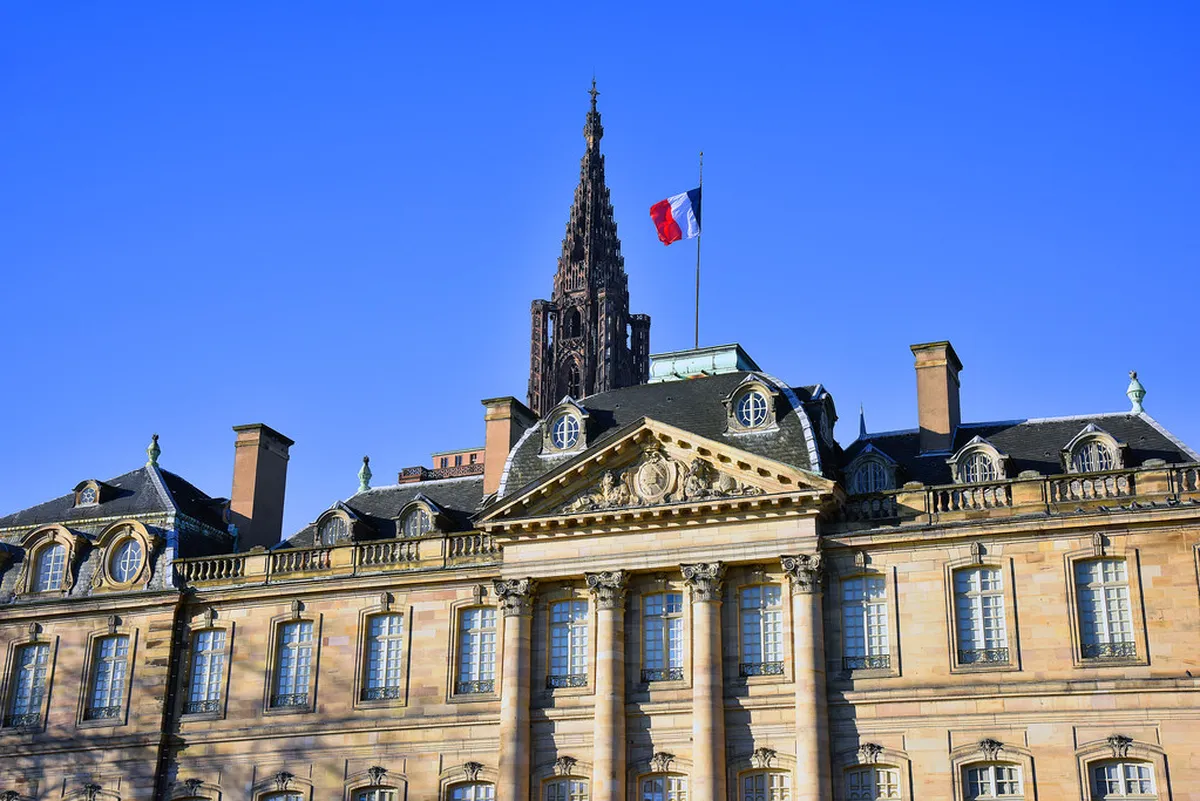
Continue toward the Palais Rohan to see the height of French classical elegance today. This eighteenth-century palace displays royal luxury through its perfectly symmetrical stone wings and courtyards. It served as a residence for bishops and members of the French royal family. The building now houses three important museums that are worth a visit.
Navigating the Hidden Alleys of Petite France
The loop continues into the picturesque district known as Petite France near the canals. This area was once home to the city's tanners, millers, and diverse professional fishermen. You will see many houses with open lofts used for drying animal skins. The architecture here is characterized by steep roofs and prominent dark wooden beams.
Cross the Ponts Couverts to see the medieval defensive towers standing over the water. These structures were originally built to protect the city from invaders during the middle ages. You can walk across the Barrage Vauban for a panoramic view of the canals. This dam was designed to flood the city defenses in times of war.
Observe the mechanisms of the old locks that still operate on the river today. Watching the canal boats navigate these narrow passages is a fascinating local experience. You can see how the architecture was adapted to the unique needs of the water. The surrounding parks provide a green space to relax after your long urban walk.
- Visit the Tanners' House for authentic medieval architecture.
- See the panoramic terrace at the Vauban Dam.
- Watch the canal locks operate near the historic mills.
Practical Tips for the Architecture Loop
Planning your walk requires considering the opening hours of the major historic monuments. Most cathedrals and museums open around ten in the morning during the week. You should allow at least three hours to complete the full architectural loop comfortably. Wear comfortable walking shoes because many streets still feature original uneven cobblestone paths.
The best time to start your tour is early in the morning today. This allows you to avoid the large crowds that gather near the cathedral. You will also find the best lighting for photography before the sun gets high. Many local bakeries open early to provide fresh pastries for your morning journey.
Use a digital map to track the specific locations of the minor historic landmarks. Some of the most interesting details are found on quiet residential side streets. You should look up at the gables to see unique statues and carvings. These small details tell the personal stories of the people who lived here.
Consider taking a guided tour if you want deeper historical context for buildings. Local experts can provide insights into the specific materials used in the construction. They often have access to private courtyards that are usually closed to the public. However, this self-guided route offers the most flexibility for your personal schedule.
Frequently Asked Questions
How long does the Neustadt to Grande Île loop take?
The full walking loop usually takes between two and three hours to complete. This time allows for short stops at the major monuments and photo opportunities. If you visit museums, you should plan for a full day of exploration.
Are the architectural sites accessible for all visitors?
Most of the route follows flat terrain that is accessible for many visitors. Some areas in the old town have historic cobblestones which can be quite bumpy. Modern ramps are available at the most popular tourist locations like the cathedral.
What is the best time for architecture photography in Strasbourg?
Early morning offers the best light for capturing the pink sandstone of the cathedral. The golden hour before sunset provides a warm glow on the timber-framed houses. You will also find fewer people blocking your shots during these specific times.
The Neustadt to Grande Île architectural loop provides a stunning look at European history. You will walk through centuries of design while enjoying the vibrant atmosphere of Strasbourg. Plan your journey today to experience these UNESCO World Heritage sites in 2025. This city truly offers a unique perspective on the evolution of western architecture.
Key Takeaways
- Start at Place de la République for the best Neustadt views.
- Allow three hours to explore both UNESCO World Heritage districts.
- Wear sturdy shoes for the historic cobblestone streets in Grande Île.
- Visit the Vauban Dam for the best panoramic city photos.
Related reads: architecturebycity.com, architecture in strasbourg.