
Architectural Furniture of Versailles Guide
Discover the architectural furniture of Versailles in 2025. Learn about Louis XIV decoration and royal craftsmanship. Plan your visit to this French gem today.
On this page
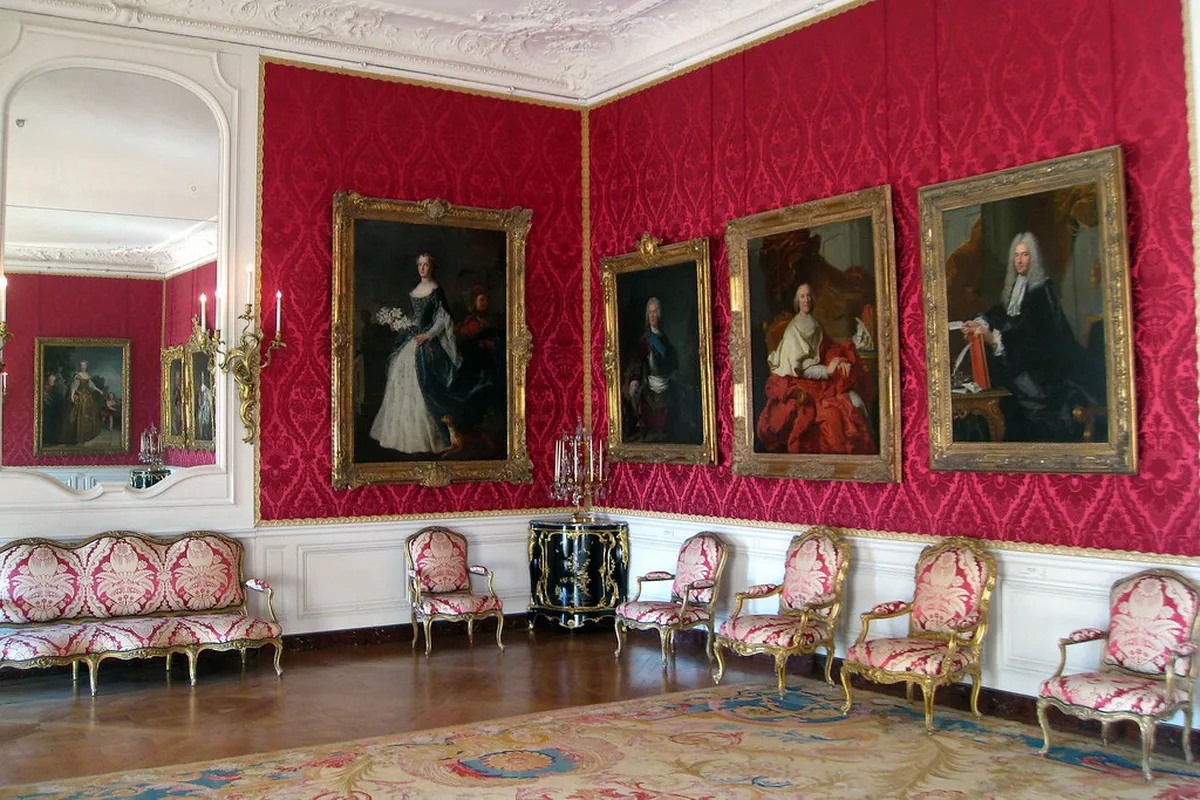
The Palace of Versailles stands as a massive symbol of French royal luxury and absolute power in 2025. Visitors can explore the stunning architectural furniture of Versailles which reflects the artistic vision of the legendary Sun King. This furniture served as a functional necessity and a display of the kingdom's immense wealth and cultural influence. Every single cabinet and chair was crafted to match the complex aesthetic of the royal court's daily life.
Understanding these pieces requires looking at the broader context of interiors and Louis XIV decoration across the entire estate. The furniture was never meant to stand alone but functioned as part of a larger architectural masterpiece. Master craftsmen used the finest materials available to create items that still inspire interior designers and historians today. Exploring these halls offers a unique glimpse into the sophisticated world of seventeenth-century French royal court society.
The Evolution of Louis XIV Decoration
The reign of Louis XIV transformed French furniture from simple wooden pieces into complex works of high architectural art. Designers shifted away from the heavy Italian styles to create something uniquely French for the new royal palace. They focused on rigid symmetry and grand proportions to mirror the formal nature of the king's official ceremonies. This period established the standard for luxury that defined European royal courts for several succeeding generations of leaders.
Furniture during this era became a permanent extension of the interior architecture within the palace's many grand rooms. Cabinets often featured columns and pediments that mimicked the external stone structures of the massive palace buildings themselves. This integration ensured that the movable objects felt like a natural part of the fixed walls and ceilings. The result was a harmonious environment where every detail supported the central theme of the king's absolute glory.
Artisans utilized the Charles Le Brun interior design legacy to guide their creative process for every single commission. Le Brun ensured that the furniture makers worked in perfect unison with the painters and the skilled plasterers. This unified approach allowed for a level of detail that had never been seen in previous French eras. Collectors and tourists can still see the impact of this strict coordination throughout the State Apartments today.
Major pieces like the monumental cabinets were designed to hold the king's personal treasures and important state documents. These items often featured intricate marquetry and heavy bronze mounts to showcase the skill of the royal cabinetmakers. The use of exotic woods like ebony and tortoiseshell added a layer of depth and texture to objects. Such pieces were status symbols that represented the global reach of French trade during the late seventeenth century.
Master Craftsmen and Their Royal Techniques
The workshop of André-Charles Boulle became the most famous center for furniture production during the reign of Louis XIV. Boulle perfected a specific type of marquetry that combined brass and tortoiseshell into incredibly detailed and beautiful patterns. His technique allowed for the creation of furniture that appeared to be covered in a rich metallic lace. These pieces were highly prized by the king and remained popular among the French nobility for many years.
Royal workshops employed hundreds of specialized workers who focused on individual aspects of the complex furniture manufacturing process. Some men spent their entire lives carving intricate wooden details while others specialized in the art of gold gilding. This division of labor ensured the highest possible quality for every piece delivered to the royal family rooms. The speed and efficiency of these workshops allowed Versailles to be furnished with thousands of items very quickly.
Gilded bronze mounts were often added to the corners and edges of furniture to provide extra protection and beauty. These mounts were often shaped like lion paws or mythical creatures to enhance the royal theme of the pieces. The contrast between the dark wood and the bright gold created a visual drama that defined the Baroque. Every mount was hand-chiseled and polished to ensure it caught the flickering candlelight in the palace halls.
The preservation of these techniques is a major focus for modern historians working at the palace site in 2025. Restoration experts use traditional tools to maintain the original appearance of the furniture for the millions of yearly visitors. They carefully clean the old gilding and repair the delicate marquetry using the same materials as the original craftsmen. This dedication allows the architectural furniture to look just as impressive as it did centuries ago.
Iconic Furniture Pieces in the State Apartments
The King's Grand Apartment contains some of the most famous examples of architectural furniture found anywhere in the world. Visitors can see massive tables with marble tops that weigh several hundred pounds and feature heavily carved wooden legs. These tables were used during official receptions to hold expensive silver plates and heavy glass carafes of wine. The sheer scale of these items was intended to overwhelm anyone who entered the royal presence for meetings.
One of the most remarkable items is the king's throne which was originally made from solid cast silver metal. Unfortunately, most of the original silver furniture was melted down to pay for the king's many expensive foreign wars. Today, visitors see high-quality wooden replacements that are covered in thick layers of gold leaf to simulate the original. These replacements still follow the original designs and maintain the intended sense of royal grandeur and artistic power.
- The King's Desk: A masterpiece of mechanical engineering with hidden compartments and secret drawers.
- Savonnerie Carpets: Hand-woven floor coverings designed specifically to match the patterns on the painted ceilings.
- The Silver Guéridons: Tall stands used for holding candelabras that lit the Hall of Mirrors at night.
The Queen's Apartments also feature exquisite furniture that reflects a slightly softer and more feminine version of the style. These rooms include beautiful jewelry cabinets and comfortable seating arrangements designed for private social gatherings and morning dressing rituals. The furniture here often features floral patterns and lighter colors compared to the King's more masculine and rigid decor. Exploring both sets of apartments provides a complete view of the diversity within the royal furniture collection.
Materials That Defined the Sun King Era
Oak served as the primary structural wood for almost all the large furniture pieces created for the royal palace. This strong wood provided the necessary stability for heavy cabinets and large ceremonial tables that needed to last. Craftsmen then applied expensive veneers of exotic woods over the oak base to create a more luxurious external appearance. This method combined structural integrity with the visual beauty of rare materials imported from around the growing world.
The use of pietra dura or hard stone inlay was another popular technique used for decorative table tops. Skilled Italian artisans often traveled to France to create these intricate designs using colorful semi-precious stones and local marble. These stone patterns frequently depicted birds or flowers and were highly resistant to the wear of daily palace life. Such tables were considered some of the most valuable objects in the entire royal collection during the era.
Textiles played a vital role in the overall look and feel of the furniture within the royal court rooms. Rich velvets and heavy brocades were used to upholster chairs and create elaborate canopies for the royal bed chambers. These fabrics often featured gold and silver threads woven into complex patterns that represented the French monarchy's official symbols. The combination of hard wood and soft fabric created a layered and tactile experience for the royal family.
Mirror glass was an incredibly expensive luxury that was integrated into many pieces of architectural furniture in the palace. Large mirrors were set into the doors of cabinets to reflect light and make the small rooms appear larger. This use of glass mirrored the design of the Hall of Mirrors and helped unify the entire palace interior. The presence of so much glass was a direct testament to the success of the French glass industry.
Planning Your Architecture Tour in 2025
Visiting the palace to see these treasures requires some careful planning to avoid the largest crowds during the summer. It is highly recommended to book your tickets several weeks in advance to ensure you get your preferred time. Morning slots are usually the best time to see the furniture before the rooms become crowded with large tour groups. Consider visiting Versailles for architecture lovers to gain deeper insights into the specific design details.
The palace is located just a short train ride away from the center of Paris on the RER C. Once you arrive at the station it is a pleasant ten-minute walk to the main gates of the estate. Wear comfortable walking shoes because the palace is massive and you will be on your feet for several hours. Many visitors spend a full day exploring the main building and the extensive gardens surrounding the royal residence.
Photography is allowed in most areas but you must remember to turn off your flash to protect the furniture. The bright light from flashes can damage the delicate fabrics and the old varnishes over a long period. Taking photos without a flash allows you to capture the natural glow of the gold leaf on the chairs. Be sure to check the latest rules on the official website before you start your journey to the palace.
Audioguides are available in many different languages and provide excellent commentary on the history of the most famous pieces. These guides explain the symbolism behind the carvings and the biographies of the men who created the furniture masterpieces. Listening to these stories helps bring the silent objects to life as you walk through the historic royal apartments. It is an educational experience that adds great value to your visit to this incredible world heritage site.
Frequently Asked Questions
What defines the style of architectural furniture in Versailles?
The style is defined by heavy symmetry and grand proportions that match the palace's architecture. It features rich materials like gilded bronze and exotic wood marquetry. Every piece was designed to symbolize the power and wealth of the French monarchy.
Who was the most famous furniture maker for Louis XIV?
André-Charles Boulle was the most celebrated craftsman during this period of French history. He is famous for his unique marquetry using brass and tortoiseshell inlays. His work set the standard for luxury furniture across all of Europe for decades.
Are the furniture pieces at Versailles original?
Many original pieces were lost during the French Revolution or melted for metal. However, many items have been recovered or restored using original seventeenth-century techniques. The palace currently displays a mix of original pieces and very high-quality historical recreations.
Can I take photos of the furniture inside the palace?
Yes, visitors can take photos in the state apartments but flash is strictly prohibited. This rule helps protect the sensitive materials from light damage over time. Always respect the staff and other visitors while you are capturing your memories of the palace.
The architectural furniture of Versailles remains a pinnacle of French artistic achievement and royal history. These pieces offer a fascinating window into the world of Louis XIV and his grand vision for France. Visiting the palace in 2025 allows you to witness this incredible craftsmanship in person and appreciate the details. Plan your trip today to experience the enduring legacy of the Sun King's magnificent royal residence.
Key Takeaways
- Louis XIV furniture uses rigid symmetry to match palace architecture.
- André-Charles Boulle pioneered the use of brass and tortoiseshell marquetry.
- Gilded bronze mounts provide both protection and royal ornamentation.
- Most silver furniture was melted down but has been replaced by gilded wood.
- Book tickets in advance for 2025 to see these masterpieces without the crowds.
Related reads: architecturebycity.com, architecture in versailles, gilded wood and stucco techniques.