
Mansart's Design of the Royal Chapel in Versailles
Discover Mansart's design of the Royal Chapel in Versailles. Learn about French Baroque style and plan your 2025 visit to this historic masterpiece today!
On this page
The Palace of Versailles stands as a global symbol of absolute power. Within its walls, Mansart's design of the Royal Chapel shines with unique light. This architectural gem represents the height of French Baroque artistry. It serves as a spiritual heart for the entire royal estate.
King Louis XIV wanted a space that matched his divine right to rule. He chose his favorite architect to realize this grand vision. The result is a structure that blends tradition with bold new ideas. Today, it remains one of the most visited sites in all of France.
Visitors often feel a sense of wonder when they first enter. The chapel combines massive scale with delicate, intricate details. Every stone tells a story of faith and royal ambition. Understanding its history makes any visit to the palace much more meaningful.
In this guide, we explore the genius of the chapel's creator. We look at the specific features that define this landmark. You will find practical tips for your 2025 trip to Versailles. Prepare to see one of the world's most beautiful religious buildings.
The Mastermind Behind the Royal Chapel
Jules Hardouin-Mansart served as the lead architect for King Louis XIV. He oversaw many iconic projects during his long and successful career. His work defines the grandeur of 17th-century French architecture. You can explore more works of Jules Hardouin-Mansart across the city.
The Royal Chapel was his final and perhaps greatest contribution. He began construction in 1699 after years of careful planning. Mansart aimed to blend Gothic tradition with modern Baroque elegance. This structure represents the peak of his creative genius and skill.
Mansart understood how to use light and space to impress guests. He created a building that looked both powerful and graceful. The architect balanced the heavy stone with light, airy windows. This approach was revolutionary for the time period in Europe.
The construction took over a decade to complete. Many master craftsmen worked under Mansart's direct and strict supervision. They used the finest materials available in the French kingdom. The quality of the masonry remains impressive even after three centuries.
Sadly, Mansart did not live to see the project finished. His brother-in-law took over the final stages of the work. However, the finished chapel stays true to Mansart's original drawings. It stands as a lasting monument to his architectural legacy.
Defining Features of Mansart's Design of the Royal Chapel
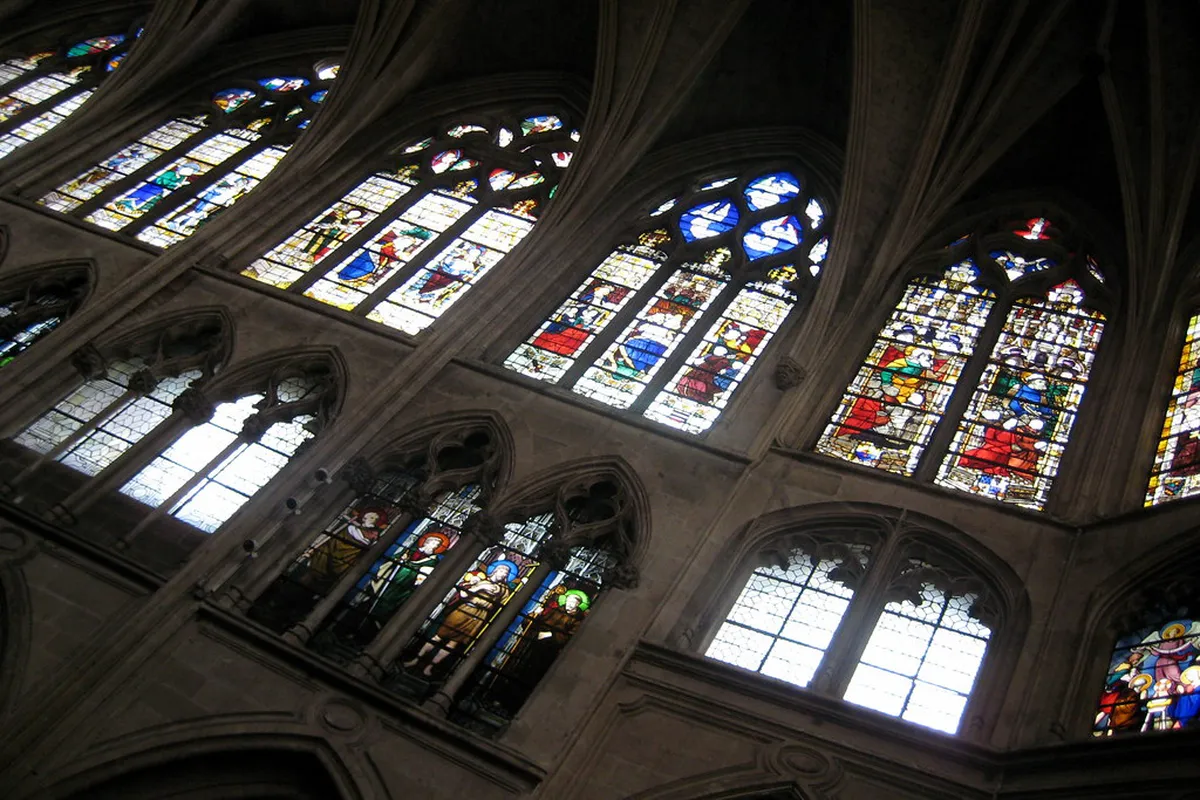
The chapel features a striking two-story design within its interior. Large windows on the upper level flood the space with light. This layout allowed the King to worship from a private gallery. The lower level was reserved for the rest of the court.
Mansart used white marble and gold accents to create a heavenly atmosphere. The vaulted ceiling displays magnificent paintings by various famous artists. These artworks depict sacred scenes that inspire awe in every visitor. The visual height of the room creates a sense of infinite space.
The exterior showcases tall Corinthian columns and delicate stone carvings. It rises above the surrounding palace roofline with distinct authority. This height makes it visible from many points in the gardens. It remains a highlight of any architecture in Versailles tour.
Strong vertical lines draw the eyes of visitors toward the sky. This was a deliberate choice to emphasize the connection to God. Mansart avoided using a traditional dome for this specific building. Instead, he chose a high-pitched roof with ornate lead decorations.
- Two-story interior: Dedicated levels for the King and his royal court members.
- Vaulted ceilings: Stunning frescoes painted by the best artists of the 17th century.
- Corinthian columns: Elegant pillars that support the weight of the massive stone roof.
Architectural Harmony and Baroque Grandeur
Mansart balanced the chapel's vertical reach with perfect horizontal lines. This symmetry is a hallmark of the French Baroque style. The design incorporates rhythmic spacing between columns and windows. Every element works together to guide the eye toward the altar.
The use of polychrome marble on the floors adds rich texture. Intricate patterns reflect the light coming from the high windows above. This creates a shimmering effect that changes throughout the day. Visitors often feel a deep sense of peace inside the walls.
Detailed sculptures decorate the exterior and interior of the building. These figures represent saints and virtues important to the monarchy. Mansart collaborated with the finest craftsmen of the era for these. Their skill brings life to the cold stone surfaces of the chapel.
The organ sits above the altar in a very unusual position. This placement was part of Mansart's unique plan for the space. It allows the music to fill the entire room perfectly. The gilded woodwork of the organ is a masterpiece of design.
Every corner of the chapel shows a commitment to artistic excellence. The transition between the palace and chapel is seamless and elegant. Mansart created a bridge between the secular and the divine worlds. This harmony is what makes the chapel so famous today.
Practical Details for Visiting in 2025
Visiting the Royal Chapel requires a ticket to the Palace of Versailles. Prices for 2025 range from 21 to 30 euros for adults. We recommend booking your entry slot online several weeks in advance. This helps you avoid the longest lines during peak hours.
The chapel is open from 9:00 AM to 5:30 PM daily. Mornings often provide the best natural light for photography enthusiasts. You should plan to spend at least 30 minutes inside. Take time to look up at the incredible ceiling paintings.
Many visitors combine this visit with other nearby historic sites. The Palace of Versailles architectural history is vast and exciting. Wear comfortable shoes as you will walk several miles today. Security checks are mandatory at all entrance points for safety.
Photography is allowed but you must turn off your flash. Using a tripod is usually not permitted inside the building. Respect the quiet nature of the space during your visit. Many people come here to reflect and enjoy the artistic beauty.
The chapel is fully accessible for visitors with limited mobility. Elevators are available to reach different levels of the palace tour. Staff members are happy to assist you with any specific needs. Always check the official website for any sudden holiday closures.
The Legacy of Mansart's Final Work
Architects from across the continent studied this chapel for generations. Its blend of light and space influenced many later cathedrals. The Royal Chapel proved that Baroque style could be both grand and elegant. It set a new standard for religious royal buildings in Europe.
The building survived the French Revolution with relatively little damage. Most of its original decorations and paintings remain intact today. Careful restoration projects have kept the gold and marble looking bright. It looks much as it did during the reign of Louis XIV.
Today, the chapel hosts occasional concerts and special events. The acoustics within the stone walls are truly world-class. Hearing classical music here is a highlight for many modern travelers. It keeps the spirit of the 17th century alive today.
Modern students of design still visit to analyze Mansart's proportions. The way he used columns to create depth is still studied. It remains a primary example of French classical architecture at its best. No study of Versailles is complete without seeing this chapel.
As you leave the chapel, look back at the roofline once more. The gold detailing on the roof shines brightly in the sun. This final flourish was a signature of Mansart's royal style. It reminds us of the wealth and power of old France.
Frequently Asked Questions
What makes Mansart's design of the Royal Chapel unique?
The chapel uses a two-story layout to separate the King from his court. Large windows on the upper level create a unique luminous effect. This design blends Gothic verticality with classical Baroque details perfectly. It was the first of its kind in French palace architecture.
Can you attend mass in the Royal Chapel today?
Public religious services are very rare in the chapel today. It mostly serves as a historic museum for the public to enjoy. Occasionally, special musical performances or masses occur during major holidays. Check the local schedule for any rare public event dates.
Who painted the famous ceiling of the Royal Chapel?
Several artists worked on the ceiling under Mansart's general direction. Antoine Coypel painted the main central part of the vaulted ceiling. Other parts were completed by Charles de La Fosse and Jean Jouvenet. They created a unified masterpiece that tells a complex religious story.
Is the Royal Chapel included in a standard Versailles ticket?
Yes, the chapel is part of the main palace circuit tour. You can see it with a standard Passport or Palace ticket. You will view it from the ground floor and the gallery. It is one of the first major rooms on the tour.
Mansart's design of the Royal Chapel remains a crowning jewel of France. Its beauty captures the essence of the Sun King's historic era. Plan your visit to Versailles in 2025 to experience this masterpiece. You will find inspiration in every carved stone and painted detail. Don't forget to book your tickets early for the best experience.
Key Takeaways
- Book your Versailles tickets online to see the chapel in 2025.
- Look for the unique two-story interior designed for the royal court.
- Admire the ceiling paintings by Coypel and other master Baroque artists.
- Visit in the morning to enjoy the best natural sunlight inside.
- Take time to appreciate the blend of Gothic and Baroque styles.
Related reads: architecturebycity.com, architecture of the grand commun, mansart vs le vau architectural styles.