
Photographing the Hall of Mirrors: 2025 Travel Tips
Capture stunning photos while photographing the Hall of Mirrors in 2025. Learn expert tips for lighting, gear, and composition at Versailles. Plan your visit!
On this page
Versailles remains one of the most stunning architectural wonders in the entire world today. Every photographer dreams of capturing the legendary beauty found within the Palace of Versailles walls. Photographing the Hall of Mirrors requires careful planning and a deep understanding of local light. This guide provides the best strategies for capturing this iconic French Baroque masterpiece in 2025.
The hall features seventeen massive mirrors that reflect the sunlight from the arched garden windows. These mirrors were extremely expensive and rare during the reign of King Louis XIV in France. You will find that the scale of the room presents unique challenges for every camera. Modern travelers must navigate heavy crowds while seeking the perfect shot of the gilded ceiling. This article explores the best Versailles photography spots for architecture enthusiasts.
Expect to spend several hours exploring the different angles and lighting conditions inside the palace grounds. Successful photography here depends on your ability to work quickly and respect the site rules. There are no tripods allowed inside the palace to protect the historical floors and delicate mirrors. You should prepare your gear to handle low light and high contrast situations throughout the day. Let us dive into the essential tips for your next creative journey to Versailles.
Best Timing for Hall of Mirrors Photography
Timing is the most critical factor when you plan on photographing the Hall of Mirrors successfully. The palace usually opens at 9:00 AM, but the security lines often start forming much earlier. You should aim to be among the first visitors to enter the royal apartments each morning. This early start allows you to reach the hall before the large tour groups arrive. Most visitors take their time in the initial rooms, giving you a small window of opportunity.
Late afternoon also provides a unique opportunity for photographers who prefer softer and warmer natural light. The sun begins to set over the Grand Canal, casting long shadows across the palace floors. This creates a dramatic effect as the light hits the mirrors at a much lower angle. Many tourists leave by 4:30 PM, which makes the hall significantly quieter for your creative work. Consider checking the golden hour photography times for the best results.
Tuesdays and weekends are typically the busiest days for visiting the Palace of Versailles throughout the year. Try to schedule your photography session for a Wednesday or Thursday to enjoy fewer human distractions. Check the official palace calendar for any special events or private functions that might close the room. Winter months offer the least crowded experience, though the natural light is much dimmer than in summer. Planning your visit for a rainy weekday in November can result in nearly empty rooms.
The palace remains closed on Mondays, so you must plan your photography schedule around this weekly break. Standard tickets cost approximately 21 Euros, but prices may increase for special garden shows during 2025. Booking a timed entry slot online is mandatory to ensure you gain access at your preferred hour. Early morning slots are highly coveted and usually sell out several weeks in advance for travelers. Use this time wisely to capture the symmetry of the hall without hundreds of other people.
Always remember that the light changes rapidly as the sun moves across the French sky during the day. Monitor the weather forecast to ensure you have clear skies for maximum reflection inside the hall. Overcast days provide soft, even lighting that helps capture the intricate details of the painted ceilings. Each weather condition offers a different mood for your architectural portfolio of this historic French site. Be patient and wait for the light to hit the gold leaf accents perfectly.
Essential Gear and Camera Settings
Choosing the right gear is essential for capturing the grand scale of this historic Baroque room. A wide-angle lens is your best friend when photographing the Hall of Mirrors from a distance. Lenses with focal lengths between 16mm and 35mm are ideal for capturing the entire perspective clearly. These lenses allow you to include the floor, ceiling, and mirrors in a single dramatic frame. Avoid using extreme fisheye lenses, as they can distort the elegant lines of the palace architecture.
Since tripods are strictly forbidden inside the palace, you must rely on high-quality handheld shooting techniques. Choose a camera body with excellent high ISO performance to manage the darker areas of the room. A fast aperture of f/2.8 or wider will help you maintain a fast shutter speed. This prevents blur caused by camera shake while you are moving through the busy tourist paths. Modern image stabilization features in newer cameras are incredibly helpful for these specific shooting conditions.
Set your camera to shoot in RAW format to retain the maximum amount of image data. This is vital for balancing the bright windows against the darker interior corners during the editing process. You will often face high dynamic range scenes that require careful exposure management and post-processing. Use a polarizing filter to manage the reflections on the mirrors and the polished wooden floors. This simple tool can significantly increase the clarity and color saturation of your architectural photographs.
Keep your camera bag small and light to navigate the security checkpoints and crowded hallways easily. Large backpacks are often restricted or must be checked in the cloakroom before you enter the palace. A simple shoulder bag or a small camera strap is the best choice for mobile photographers. Bring extra batteries because the constant use of live view can drain power quite quickly during sessions. Ensure your memory cards have plenty of space for hundreds of high-resolution architectural images.
Focus manually if your camera struggles with the dark corners or the bright glare from the windows. The intricate details on the ceiling require sharp focus to show the artistry of Charles Le Brun. Use the grid lines in your viewfinder to keep your vertical lines straight and professional looking. Avoiding tilted horizons will save you a lot of time during the final editing of your photos. Small adjustments in your physical position can make a huge difference in the final image quality.
Compositional Techniques for Symmetry
Symmetry is the defining characteristic of the Hall of Mirrors and should be your primary focus. Stand exactly in the center of the hall to capture the perfect balance of the two sides. Use the patterns on the floor as a guide to find the true central axis line. The seventeen mirrors on one side perfectly match the seventeen windows on the opposite garden side. Aligning these elements creates a sense of infinite space and royal grandeur in your final shots.
Look for leading lines that draw the eye toward the end of the long 73-meter gallery. The rows of chandeliers provide excellent repetitive elements that lead the viewer through the entire photograph. Position your camera at eye level to give the viewer a natural perspective of the royal space. Alternatively, a low-angle shot can emphasize the height of the vaulted ceilings and the massive mirrors. Experiment with different heights to find the most impactful way to display the hall's immense scale.
The mirrors offer incredible creative opportunities for capturing unique reflections of the ceiling paintings and chandeliers. Try to position yourself so that you capture the reflection of the garden through the interior mirrors. This technique creates a beautiful layer of interior and exterior elements within a single architectural frame. Be careful not to include your own reflection in the mirrors while you are composing the shot. Finding the right angle requires moving slowly and checking the edges of your frame constantly.
Capture the fine details of the gilded bronze capitals and the marble pilasters found throughout the room. These smaller elements tell the story of the luxury and craftsmanship of the French monarchy in Versailles. Macro shots of the ornate door handles and sculptures add variety to your photography portfolio. Use a shallow depth of field to make these gold accents stand out against the background. Such details are just as important as the wide shots for a complete architectural story.
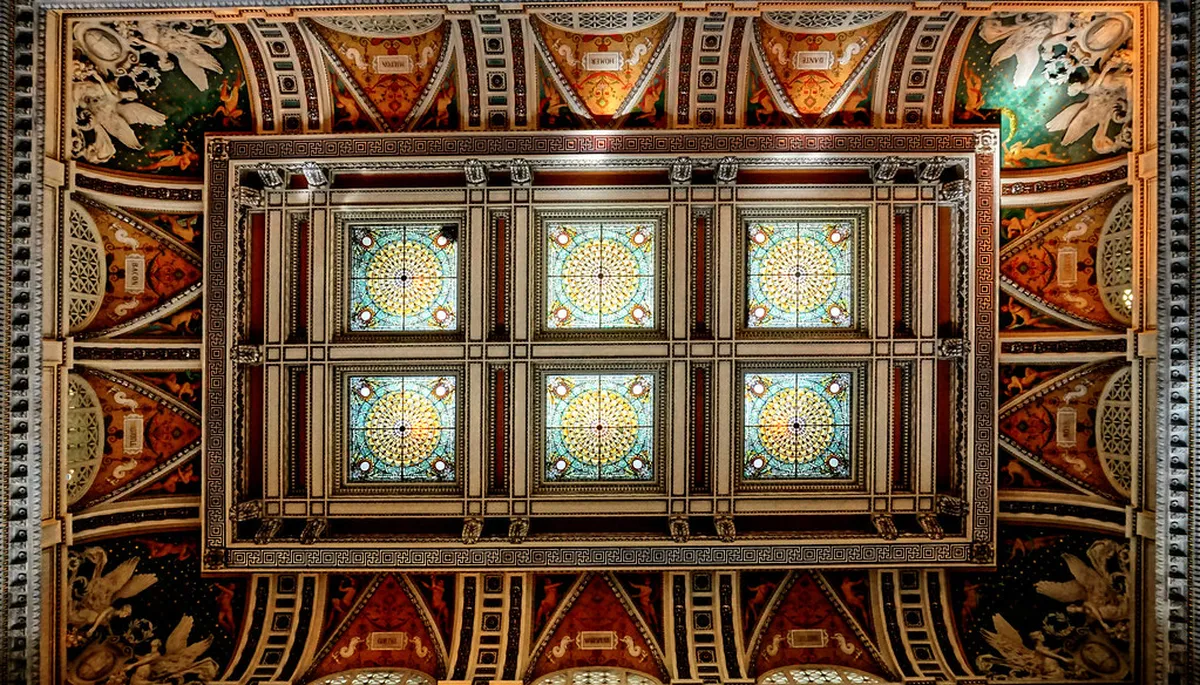
Don't forget to look up and photograph the breathtaking ceiling paintings that depict the victories of Louis XIV. These artworks are best captured by pointing your camera straight up from the center of the room. Ensure your camera is perfectly level to avoid distorting the rectangular shapes of the ceiling panels. This perspective highlights the connection between the architecture and the propaganda of the Sun King's long reign. Include the tops of the mirrors to provide context for the height of the gallery.
Navigating Crowds and Tourist Challenges
Managing the constant flow of people is the hardest part of photographing the Hall of Mirrors today. You must remain patient and wait for small gaps in the crowd to appear naturally. Sometimes, waiting five minutes in one spot can reward you with a clear view for a second. Use the people in the room to your advantage by creating a sense of scale. A single person in the distance can show just how massive the gallery actually is.
If the room is too crowded, try using a long exposure technique while holding your camera very still. You can rest your camera against a marble pilaster or a window sill for extra stability. This will blur the moving people while keeping the solid architectural elements sharp and clear. This technique requires a steady hand and perhaps a small beanbag for support on flat surfaces. It is a great way to make a busy room feel empty and peaceful.
Focus on the upper half of the room if the floor level is completely blocked by tourists. The ceilings, chandeliers, and the tops of the mirrors are often free from any human obstruction. You can create a stunning series of images that focus entirely on the vertical grandeur of Versailles. This approach allows you to keep shooting even when the palace is at its maximum capacity. Most visitors tend to stay near the center of the floor, leaving the edges clear.
Always be respectful to other visitors and the palace staff while you are taking your professional photos. Do not block the path of other tourists for long periods of time while waiting for light. A quick and polite approach will make your experience much more enjoyable for everyone involved. Follow the instructions of the museum guards who are there to protect the heritage of the site. Being a considerate photographer ensures that these beautiful spaces remain open for future creative generations.
Consider visiting Versailles for architecture tours that might offer special after-hours access for smaller groups. These exclusive tours are more expensive but provide unparalleled access to the Hall of Mirrors without any crowds. They usually take place after the palace officially closes to the general public in the evening. This is the ultimate dream for any serious architectural photographer looking for the perfect portfolio piece. Check the official website for 2025's special evening events and ticket availability.
Frequently Asked Questions
Are tripods allowed in the Hall of Mirrors?
Tripods and monopods are strictly prohibited inside the Palace of Versailles to protect the historic site. You must shoot handheld or find stable surfaces like window sills to balance your camera. Use a camera with good image stabilization to ensure your architectural shots remain sharp.
What is the best lens for photographing the Hall of Mirrors?
A wide-angle lens with a focal length of 16mm to 24mm is the best choice for this space. It allows you to capture the massive scale of the mirrors and the ceiling paintings together. A fast aperture like f/2.8 is helpful for the low-light conditions inside the palace.
How can I avoid people in my photos of Versailles?
The best way to avoid crowds is to arrive at the palace right at opening time. Aim for 9:00 AM on a weekday, preferably a Wednesday or Thursday in 2025. Alternatively, focus your camera on the upper architectural details to crop out the tourists on the floor.
Is flash photography permitted inside the palace?
Flash photography is strictly forbidden inside the Hall of Mirrors and all other royal apartments. Flash can damage the ancient paintings and mirrors while disturbing the experience of other visitors. You should rely on natural light and high ISO settings for your interior architecture photography.
Photographing the Hall of Mirrors is a rewarding experience for any traveler with an eye for design. By following these 2025 tips, you can capture the elegance and history of this French Baroque masterpiece. Remember to arrive early, use a wide lens, and focus on the beautiful symmetry of the room. Respect the rules of the palace to ensure a smooth and productive photography session. We hope this guide helps you create stunning images during your next visit to Versailles.
Key Takeaways
- Arrive by 9:00 AM on a weekday to avoid the largest tourist crowds.
- Use a wide-angle lens (16-35mm) to capture the room's massive scale.
- Shoot in RAW format to better manage high-contrast lighting from the windows.
- Focus on symmetry by standing in the exact center of the hall.
- Avoid tripods and flash as they are strictly prohibited inside the palace.
Related reads: architecturebycity.com, architecture in versailles, best angles for grand trianon columns.