
The Design of the Grand Canal: Versailles Engineering
Discover the design of the Grand Canal in Versailles. Learn about its 2025 hydraulic engineering secrets and iconic French Baroque history in this study.
On this page
Versailles represents the height of French royal power and artistic vision. The gardens remain a testament to human ingenuity and scale. Visitors often marvel at the massive water features stretching toward the horizon. At the center of this landscape sits a massive water feature. The design of the Grand Canal serves as the primary axis for the entire estate. This masterpiece transformed the local marshland into a global icon of beauty. It continues to inspire urban planners and landscape architects in 2025. Understanding this site requires looking at its complex engineering and artistic goals.
Origins of the Design of the Grand Canal
King Louis XIV commissioned the canal in 1668 to expand his garden. André Le Nôtre oversaw the planning of this massive structural project. The workers spent eleven years digging the earth by hand. This canal became the most famous among the garden structures of Versailles today. Its cross-like shape stretches for over 1.6 kilometers in length.
The construction required moving millions of cubic meters of heavy soil. Soldiers from the French army provided much of the manual labor. They faced many health risks while working in the swampy conditions. The project reached completion around 1679 after immense effort and cost. It stood as a symbol of the King's control over nature.
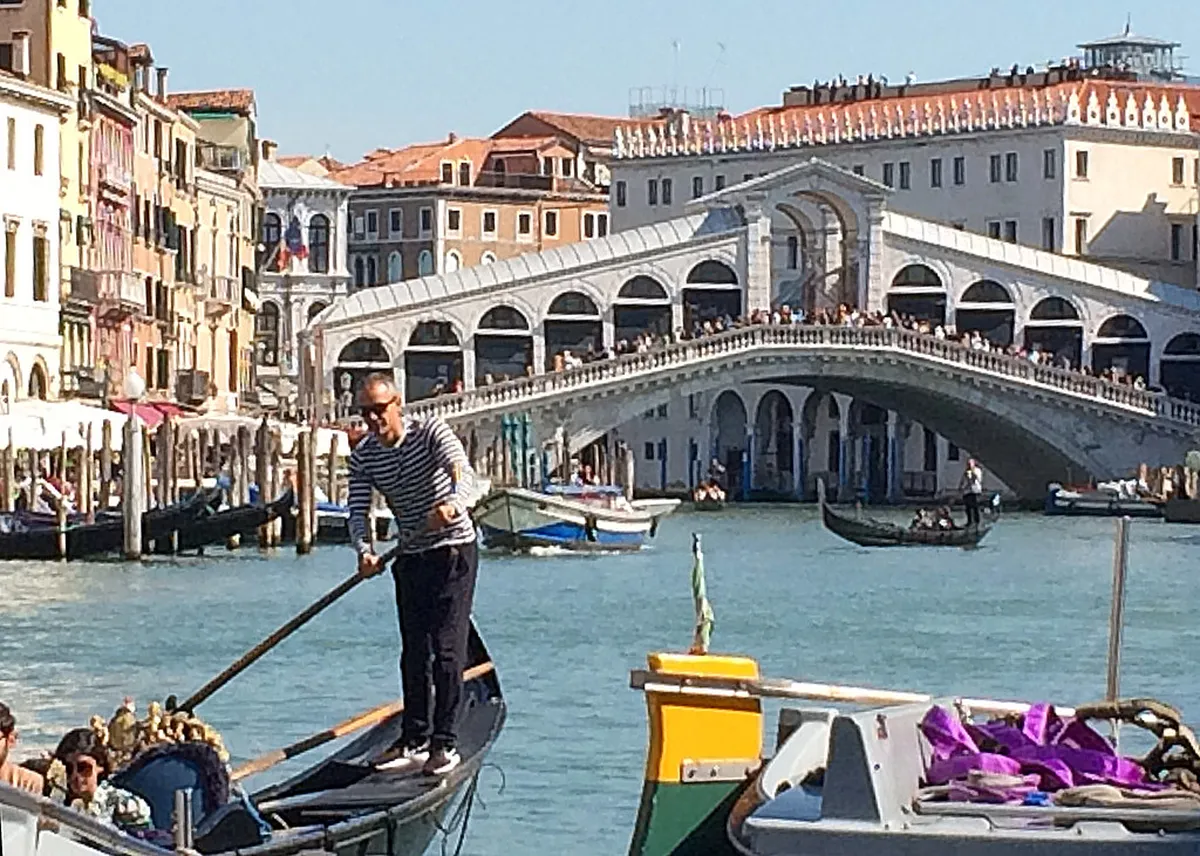
The canal originally hosted many festive events and naval displays. Venetian gondoliers even navigated these waters during the seventeenth century. Today, it remains a focal point for visitors exploring the estate. The scale reflects the grand ambitions of the French monarchy. It provides a stunning backdrop for the surrounding sculptures and groves.
Masterful Hydraulic Engineering at Versailles
Supplying water to the canal presented a significant engineering challenge. Versailles lacks a natural high-altitude water source for its many fountains. Engineers created a complex network of pumps and underground aqueducts. These systems represent a major milestone in Versailles urban planning history during the Baroque era. The canal acts as a massive reservoir for the garden fountains.
The water circulates through a system designed to maximize pressure. Gravity helps move water from the canal to lower garden areas. Maintenance teams in 2025 still study these historic hydraulic designs. They use modern tools to keep the ancient pipes functioning properly. The canal also serves as a drainage basin for the palace grounds.
The design features two distinct arms that form a cross. The small canal measures about 1,000 meters in total width. The main canal reaches 62 meters across its widest point. This layout allows for efficient water management across the uneven terrain. It prevents flooding during the heavy rains of the winter season.
Perspective and Geometric Precision
Le Nôtre used advanced optical illusions to enhance the canal's appearance. He applied the principle of anamorphosis to the garden's layout. This technique makes the water look closer than its actual distance. It creates a sense of infinite space for viewers at the palace. The symmetry aligns perfectly with the Hall of Mirrors.
The design creates a shimmering reflection of the sky at sunset. It acts as a mirror for the surrounding architecture in Versailles today. Every angle was calculated to impress the royal court and visitors. The canal widens as it moves further away from the terrace. This correction compensates for the narrowing effect of natural perspective.
The paths alongside the water provide long, clear sightlines for guests. These walkways are lined with perfectly manicured trees and statues. Walking the entire perimeter takes approximately forty-five to sixty minutes. The geometric precision highlights the order of the French formal garden style. It remains one of the best examples of landscape engineering.
Navigating the Canal in 2025
Visitors today can experience the canal through various recreational activities. Rowing boat rentals are available near the Little Venice gate. The cost for a boat is approximately 16 to 20 Euros. This price covers a thirty-minute or one-hour session on the water. It offers a unique view of the gardens from the center.
Electric vehicles and bicycles provide other ways to explore the long banks. These options are ideal for those with limited time or mobility. The paths remain open to the public during regular garden hours. Early morning visits offer the best light for architectural photography. Avoid the mid-day heat during the peak summer months of July.
The canal area features several small cafes for refreshments and snacks. Picnics are allowed in designated grassy areas near the water's edge. This part of the park is free to enter most days. Check the official schedule for Musical Fountains shows during your visit. These events may require a separate ticket for entry.
Frequently Asked Questions
Who was the main architect of the Grand Canal?
André Le Nôtre was the primary designer of the canal. He worked closely with hydraulic engineers and the King. His vision shaped the entire landscape of the palace grounds. He is famous for the French formal garden style.
Can you go boating on the Grand Canal in 2025?
Yes, boat rentals are available for all visitors in 2025. You can rent a rowing boat at the Little Venice station. Rentals usually operate from March through November each year. It is a popular activity for families and couples.
What is the total length of the Grand Canal?
The main canal is about 1,670 meters long in total. The transverse arm measures roughly 1,070 meters from end to end. It covers a surface area of about 23 hectares. The entire perimeter is approximately 5.5 kilometers long.
The design of the Grand Canal remains a triumph of urban engineering. It balances massive scale with delicate optical beauty for every visitor. This site offers deep insights into the history of French landscape art. Plan your visit in 2025 to witness this historical marvel in person. Explore the various paths to find the perfect view of the palace. Experience the majesty of Versailles by walking along its famous waters today.
Key Takeaways
- The canal was built between 1668 and 1679 using manual labor.
- André Le Nôtre used optical illusions to create a sense of infinity.
- Rowing boat rentals are available in 2025 for a small fee.
- The canal functions as a vital hydraulic reservoir for garden fountains.
- Entry to the canal area is often free for the general public.
Related reads: architecturebycity.com.