
Versailles Royal Opera House Architecture Guide
Explore the stunning Versailles Royal Opera House architecture. Learn about Gabriel's 18th-century design and world-class acoustics in 2025. Plan your trip now!
On this page
The Royal Opera House stands as a very grand masterpiece of French design in 2025. This historic venue is a primary highlight of Versailles Royal Opera House architecture for every modern visitor. It remains one of the most beautiful and technically advanced theaters built in the eighteenth century. You can explore more about architecture in Versailles during your next visit to this famous city.
King Louis XV commissioned the building to host grand celebrations for the many French royal families. Construction began in 1763 after many decades of planning by the most famous royal architects. The project finally reached its completion for the wedding of Louis XVI and Marie Antoinette in 1770. It serves as a perfect example of how the monarchy showcased their immense power through art.
The theater occupies the northern end of the palace wing and offers a very unique layout. Its design moved away from the traditional Italian styles of the mid-eighteenth century. You will see a perfect blend of Baroque energy and early Neoclassical restraint in every room. This structure continues to inspire architects and designers who visit France from all over the world.
The Design Legacy of Ange-Jacques Gabriel
Ange-Jacques Gabriel served as the main architect for this ambitious and very expensive royal project. He spent many years refining the plans to fit the theater into a very narrow palace site. His goal was to create a space that felt both intimate and incredibly grand for guests. Learn more about Gabriel's interior design for the opera to see his true genius in 2025.
Gabriel chose an innovative truncated oval plan for the main auditorium of the Royal Opera House. This shape provided better sightlines for the king and his royal court during the long performances. It was a significant departure from the horseshoe shapes that were very common in Italian theaters. The architect focused on creating a space where everyone could see and be seen quite clearly.
The exterior of the building reflects a shift toward the more sober and balanced Neoclassical style. You can see simple columns and very elegant proportions that define the outside of the opera house. Gabriel preferred the clean lines of classical Greek and Roman buildings over the messy Baroque styles. This transition marked a major turning point in the history of French palace architecture and design.
The architect had to coordinate with many different artists to complete the interior of the theater. He worked closely with sculptors and painters to ensure a very unified and harmonious visual experience. Every piece of molding and every statue was carefully planned to fit the grand royal theme. Gabriel succeeded in creating a venue that remains a high point of eighteenth-century French architectural achievement.
This theater remains his most famous work within the vast grounds of the Palace of Versailles. It represents the height of his career and his deep understanding of royal ceremonial needs. Visitors in 2025 can still appreciate the perfect balance he achieved between function and extreme luxury. His influence is visible in many other grand buildings located throughout the city of Versailles today.
Secrets of Versailles Royal Opera House Architecture
One major secret of this theater is that almost the entire interior is made of wood. Artisans carefully carved and painted the wood to resemble very expensive and heavy colored marble stone. This clever technique allowed for a lighter structure that was much easier and faster to build. It also helped the builders stay within the very strict budget for the royal wedding.
The use of wood was also a brilliant choice for the wooden acoustics in the Royal Opera house today. Wood acts like the body of a violin and makes music sound very rich and clear. The sound waves reflect off the resonant timber surfaces to reach every single seat in the house. This acoustic quality makes it one of the best opera houses in the entire world.
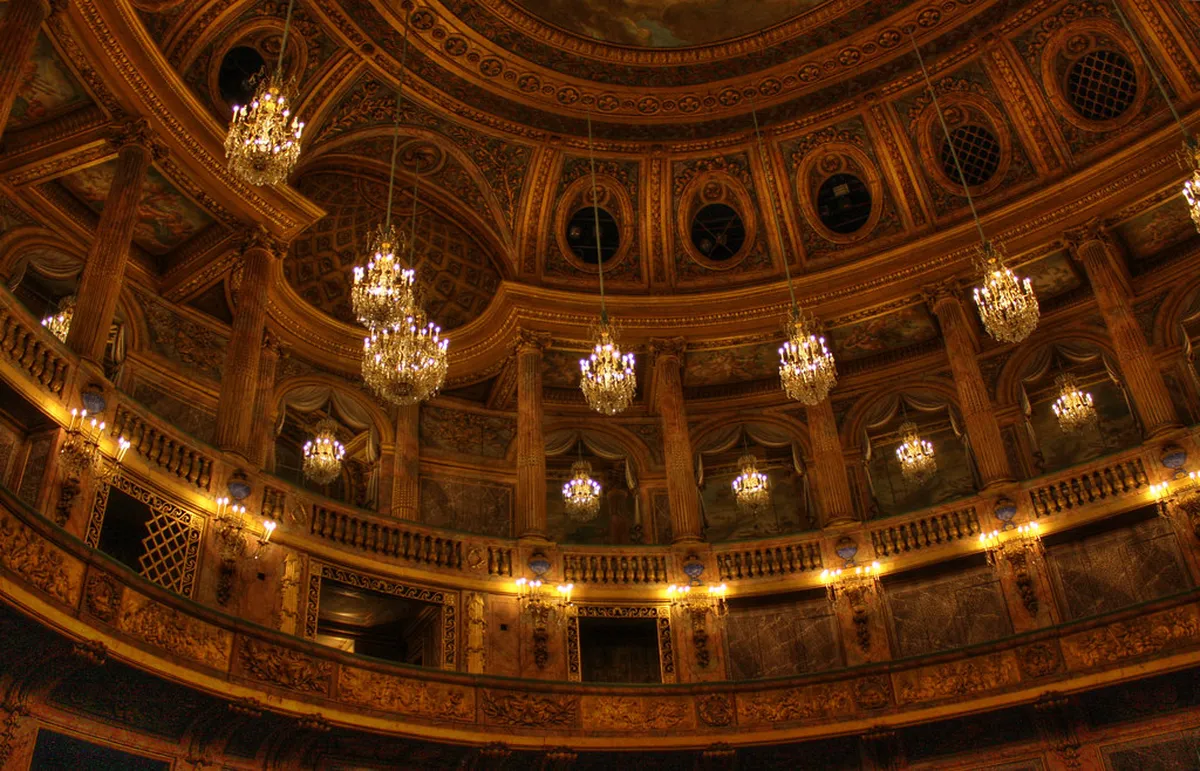
Painters used a special method called faux-marbre to finish all the interior wooden surfaces and columns. They applied many layers of paint to mimic the natural veins and colors of real marble stone. The result is a warm and inviting atmosphere that glows under the light of the chandeliers. This artistic trick showcases the incredible skill of the French decorative masters of the eighteenth century.
The wooden construction also allowed for the walls to be very thin and elegantly curved. Stone would have been too heavy to achieve these specific shapes without adding very thick support pillars. The wood provided the flexibility needed to create the perfect oval shape Gabriel had originally planned. It remains a very rare example of a large wooden theater surviving into the modern era.
Maintenance of the wooden frame is a constant task for the preservation teams at the palace. They must control the humidity and temperature to prevent the old wood from warping or rotting away. Special fire suppression systems have been installed to protect this very delicate and highly flammable structure. These efforts ensure that future generations can enjoy the beauty of this unique architectural marvel.
Neoclassical Style and Ornate Decorative Arts
The color scheme of the Royal Opera House is truly striking and full of royal symbolism. Gold, blue, and green dominate the space to create a feeling of immense wealth and power. These colors were chosen to represent the French monarchy and the glory of the king's court. Mirrors are used throughout the galleries to reflect light and make the space feel much larger.
Sculptor Augustin Pajou created the beautiful figures that decorate the many levels of the opera house auditorium. His statues represent various muses and gods from ancient mythology to inspire the performers and audience. These sculptures add a sense of life and movement to the rigid structure of the theater walls. The fine details on these figures are still very sharp and clear for visitors in 2025.
The ceiling features a massive painting by Louis-Jacques Durameau that depicts the Greek god Apollo. It shows Apollo crowning the arts in a sky filled with soft clouds and golden morning light. This painting is actually on a canvas that is stretched tightly over the large wooden ceiling frame. It creates a stunning focal point for anyone looking up from the main floor below.
- Golden Decor: Real gold leaf was applied to the wood carvings to create a brilliant shine.
- Crystal Chandeliers: Hundreds of glass crystals reflect the light to illuminate the entire theater beautifully.
- Plush Seating: Blue velvet covers the seats to provide comfort for the royal guests during shows.
Every element of the decorative arts works together to create a very cohesive and grand royal image. The transition from the public areas to the private boxes shows a very high level of craft. You can see how the decoration becomes even more detailed as you get closer to the stage. This theater truly represents the peak of the Louis XV style of French interior design.
Innovative Stage Machinery and Hidden Engineering
Below the wooden stage floor lies a very complex system of ropes, weights, and large pulleys. The 18th-century theater stage machinery was some of the most advanced technology in all of Europe. Blaise-Henri Arnoult designed this system to allow for very fast and dramatic changes of the scenery. Stagehands could transform a forest into a palace in just a few seconds with this gear.
The floor of the auditorium features a very clever engineering trick that surprised many royal guests. It could be raised to the level of the stage to create one very large ballroom. This allowed the space to host grand banquets and formal dances for the French royal family. Workers used massive wooden winches to lift the heavy floorboards during special court celebrations.
Hidden trapdoors in the stage allowed actors to appear and disappear as if by magic. The machinery also included tools to create the sounds of thunder and the sight of rain. These special effects were very popular and helped make the performances feel more real and exciting. This theater was a true marvel of both engineering and artistic imagination in the 1770s.
Much of this original wooden machinery is still located in the basement of the palace today. It is a very rare and valuable example of pre-industrial theater technology for modern historians. You can sometimes visit these lower levels on special technical tours offered by the palace management. The survival of these wooden parts is a testament to the quality of the original craftsmanship.
The engineering of the lighting system was also very innovative for the time of its construction. Large chandeliers could be lowered to the ground to change the hundreds of wax candles quickly. Reflector shields were used to direct more light onto the stage and away from the audience. These systems allowed for a level of brightness that was previously impossible in older French theaters.
Modern Performances and Visiting Tips for 2025
Visiting the Royal Opera House in 2025 is a highlight for anyone who loves history and art. You can still attend live concerts, ballets, and operas in this very historic and grand setting. The venue attracts the best musicians from around the world to perform in its unique acoustic space. Tickets for these events are very popular and usually sell out many months in advance.
You should check the official palace schedule before you plan your specific visit to the city. The theater is often closed to the public during rehearsals for the many evening music performances. A standard palace ticket usually includes a walk through the upper levels of the opera house galleries. You can find more tips on visiting Versailles for architecture lovers online before you go.
The cost of a general palace ticket is approximately twenty-one euros for adults in the year 2025. This price gives you access to the main palace, the gardens, and the theater areas. Special evening performance tickets are much more expensive and include a formal seat for the entire show. It is worth the extra cost to experience the theater as it was originally intended.
Photography is allowed inside the theater but you must never use a flash on your camera. Flash can damage the delicate old paint and the gold leaf on the wooden carvings. The light inside the opera house is quite soft and creates a very dramatic effect in photos. Arrive early in the morning to beat the largest groups of tourists who visit the palace.
The opera house is located near the end of the north wing of the main palace. It is a bit of a walk from the main entrance gates, so wear very comfortable shoes. You will pass through several other grand rooms before you reach the entrance of the theater. Take your time to enjoy the journey through one of the most famous buildings in the world.
Frequently Asked Questions
How many people can the Versailles Royal Opera House hold for a performance?
The theater can hold between 700 and 1200 guests depending on the specific event layout. In the 18th century, it was often packed with members of the royal court for weddings. Today, seating is more limited to ensure the comfort and safety of all modern guests.
Who was the main architect of the Versailles Royal Opera House?
Ange-Jacques Gabriel was the primary architect who designed the theater for King Louis XV. He is famous for his Neoclassical style and his many projects across the city of Versailles. His work on the opera house is considered one of his greatest career achievements.
Is the Versailles Royal Opera House made of real marble?
No, most of the interior of the opera house is actually made of carved and painted wood. This was done to improve the acoustics and to reduce the total weight of the structure. The paint was expertly applied to look exactly like expensive and heavy marble stone.
Can I see the 18th-century stage machinery during a standard tour?
The stage machinery is usually hidden in the basement and not part of the standard tour. You can book special technical or backstage tours to see these amazing wooden pulleys and ropes. These tours are offered on specific dates throughout the year for interested visitors.
The Versailles Royal Opera House architecture remains a stunning tribute to French royal history and art. Its unique wooden construction and perfect acoustics make it a top destination for travelers in 2025. You should definitely make time to see this incredible theater during your next visit to France. Book your tickets early to ensure you do not miss this architectural gem in Versailles.
Key Takeaways
- The interior is made of painted wood for superior acoustics.
- Architect Ange-Jacques Gabriel designed the theater in a Neoclassical style.
- The venue could transform from a theater into a grand royal ballroom.
- It remains a working opera house with live performances in 2025.
- The color scheme of gold and blue symbolizes the power of the king.
Related reads: architecturebycity.com, palace of versailles architectural history, french baroque architecture in versailles.