
19th Century Tourism Impact on Ajaccio Urbanism
Explore the 19th century tourism impact on Ajaccio urbanism. Learn how elite travel shaped the Quartier des Étrangers architectural history for 2025 visitors.
On this page
The 19th century tourism impact on Ajaccio urbanism remains visible throughout the modern city. High-society travelers from Britain and Germany sought warm winter retreats in Corsica. These wealthy visitors required modern amenities and luxury lodging during their stay. Their arrival pushed the city to expand beyond its original Genoese fortifications.
Ajaccio transformed from a quiet port into a prestigious Mediterranean resort. This era introduced grand boulevards and sprawling gardens to the urban landscape. Architects designed new spaces to satisfy the refined tastes of foreign residents. Today, travelers can still witness this legacy while exploring the historic streets in 2025.
The Rise of the Foreign Quarter
The influx of tourists led to the creation of the Quartier des Étrangers. This district became the heart of 19th-century elite life in Ajaccio. The Quartier des Étrangers architectural history shows a shift toward neoclassical styles. New buildings featured large windows and ornate balconies to enjoy the sea air.
Developers built massive hotels to house international visitors for months at a time. The Grand Hotel and the Continental Hotel were notable landmarks of this period. These structures used modern materials like iron and reinforced glass. They offered a stark contrast to the traditional stone houses in the old town.
Urban planners designed wide avenues to connect this new district to the city center. This expansion allowed for better ventilation and sunlight in the growing urban area. Property values in this district rose sharply as demand for luxury housing increased. Even today, these addresses remain some of the most prestigious in the city.
Ajaccio Winter Resort Villas and Private Estates
Wealthy winter residents often preferred private residences over staying in crowded hotels. Many commissioned stunning Ajaccio winter resort villas surrounded by lush botanical gardens. These estates featured exotic plants imported from across the French empire. The gardens acted as private social spaces for elite gatherings and tea parties.
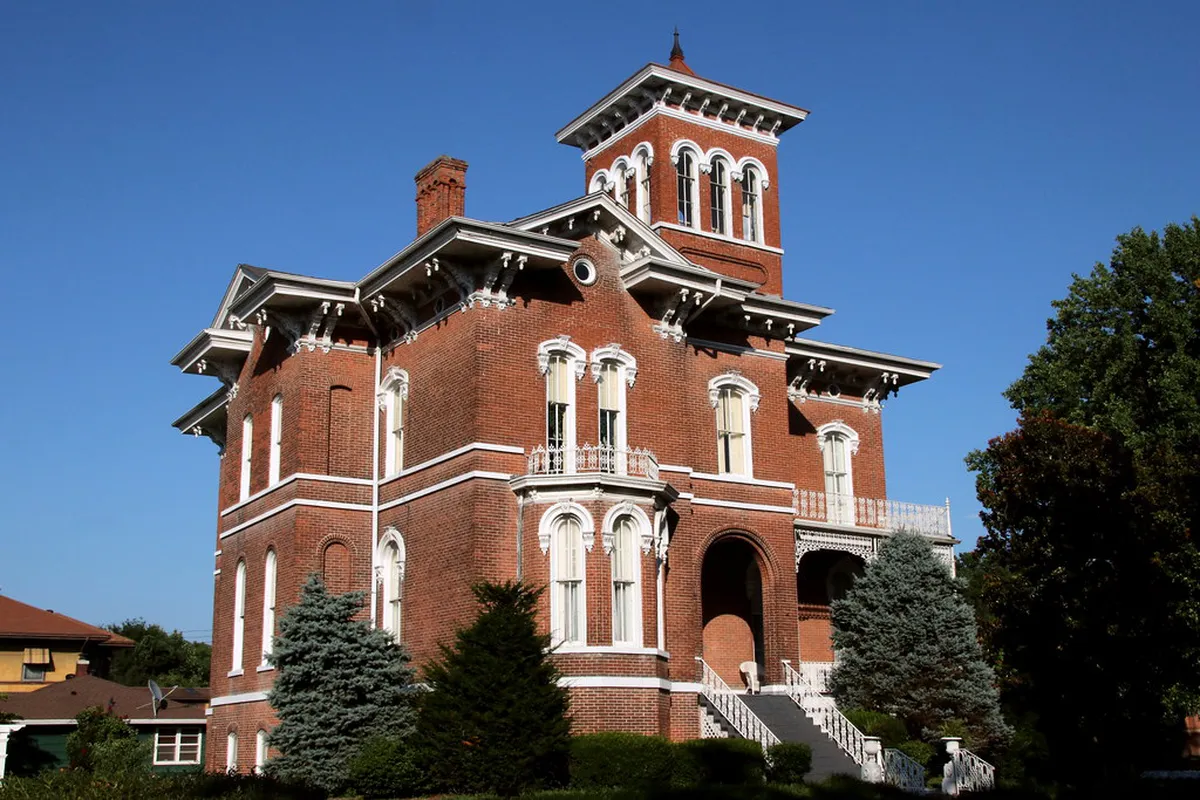
Villa architecture incorporated elements of Italian Renaissance and French Belle Époque styles. High ceilings and spacious salons were essential for hosting formal dinners. Many villas included separate quarters for the large staff required by wealthy families. These homes typically cost thousands of francs to construct during the late 1800s.
The placement of these villas followed the natural curves of the coastline. This strategy ensured that every major residence had an unobstructed view of the sea. Some owners spent up to six months each year in these beautiful homes. Modern visitors can still view many of these historic facades along the Boulevard Lantivy.
Infrastructure and Public Space Transformation
Tourism forced local authorities to modernize the city's basic infrastructure. New water systems and gas lighting improved the daily life of all residents. The city paved streets to accommodate horse-drawn carriages used by tourists. These improvements made architecture in Ajaccio more accessible to the public.
The creation of public parks became a priority for the municipal government. The Place du Casone and Place Diamant served as key social hubs. These squares provided spaces for military bands and evening strolls for the elite. Benches and fountains were added to create a more welcoming environment.
- Street Lighting: Gas lamps were installed throughout the main tourist districts.
- Water Access: New fountains provided clean drinking water to visitors and locals.
- Public Transport: Early tram systems and carriages linked hotels to the harbor.
Sanitary conditions also saw significant improvements during this period of growth. Doctors recommended Ajaccio for its clean air and medicinal climate for respiratory health. This reputation required the city to maintain high standards of cleanliness and hygiene. These efforts permanently changed the way the city managed its public health.
Sociological Impact on Local Urban Life
The arrival of international tourists created a new social hierarchy in Ajaccio. Local businesses adapted to serve the specialized needs of British and German travelers. Shops began selling imported luxury goods and international newspapers at premium prices. This economic shift encouraged more residents to learn foreign languages and customs.
Tourism influenced the design of theaters and cultural venues across the city. The Palais Fesch became a focal point for art lovers and winter visitors. Cultural events were scheduled to match the peak tourist season from November to April. This seasonal rhythm still influences some local business cycles in 2025.
Urbanism reflected the desire for separation between different social classes. The new districts felt distinct from the crowded and narrow Genoese old town. However, the two areas eventually merged as the city continued to grow. This blend of styles gives Ajaccio its unique and diverse architectural character.
Frequently Asked Questions
How did 19th-century tourism change Ajaccio's layout?
Tourism caused the city to expand outside its medieval walls. Developers created wide boulevards and large public squares to accommodate wealthy winter visitors. These changes prioritized aesthetics, ventilation, and social spaces for the international elite.
What is the history of the Quartier des Étrangers?
This district was built specifically for foreign tourists during the late 1800s. It features neoclassical hotels and luxury villas that differ from traditional Corsican styles. It remains a primary example of how tourism can reshape urban design.
Can I visit these historic villas in Ajaccio today?
Many historic villas are now private homes or government offices. However, you can view their beautiful facades while walking along the main boulevards. Guided tours often provide detailed information about their construction and famous past residents.
The 19th century tourism impact on Ajaccio urbanism created a lasting architectural legacy. These developments turned a historic port into a modern and elegant European city. Visitors in 2025 should explore the Foreign Quarter to see these grand designs firsthand. Booking a walking tour is an excellent way to appreciate this unique history.
Key Takeaways
- Elite winter tourism pushed Ajaccio to expand beyond its old Genoese walls.
- The Quartier des Étrangers introduced neoclassical architecture and luxury hotels.
- Urban improvements like gas lighting and parks were driven by tourist needs.
- Many historic villas still define the city's coastline and prestigious boulevards.
Related reads: architecturebycity.com.