
Ajaccio Winter Resort Villas: A Style Guide
Explore the Quartier des Étrangers architectural history. Learn about Ajaccio winter resort villas and their stunning 19th-century design in France. Visit now!
On this page
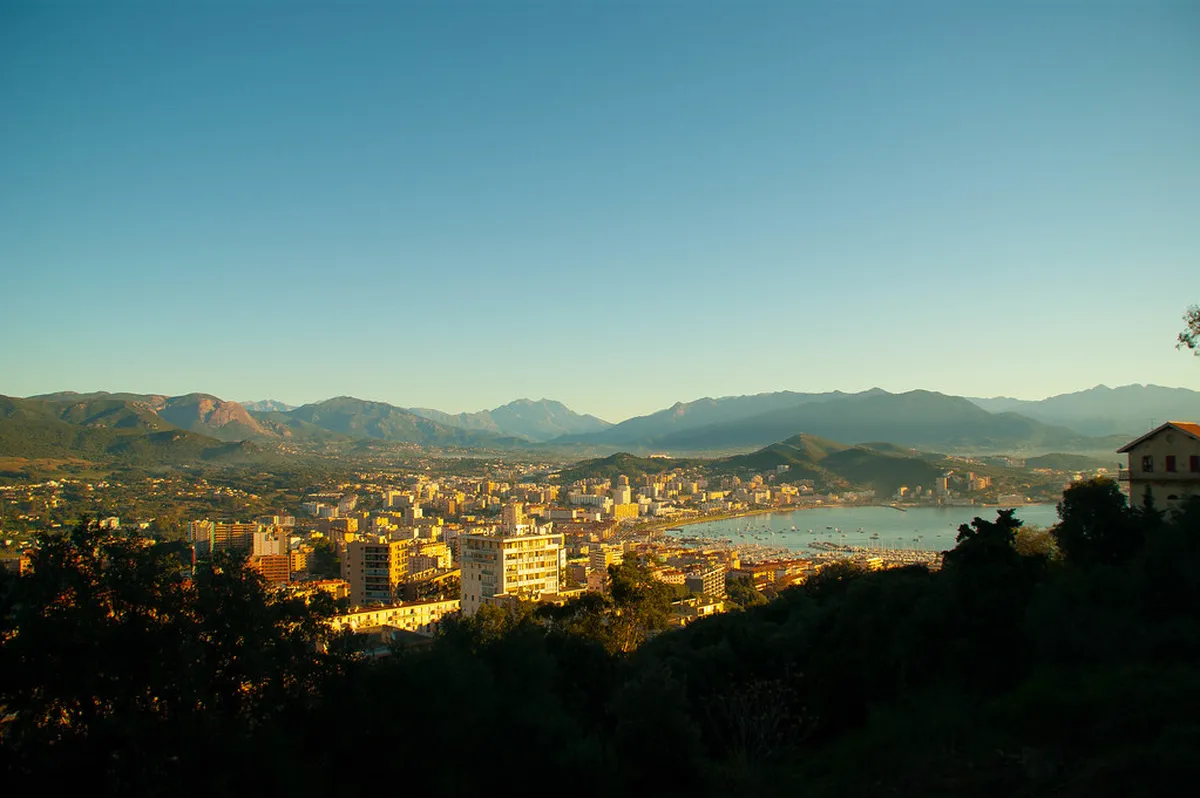
Ajaccio offers a unique blend of coastal beauty and rich history for every traveler to enjoy today. Many travelers visit the island for the bright sun and the crystal clear blue Mediterranean sea. However, the historic Ajaccio winter resort villas tell a very different story of the city's past. These grand homes reflect the growth of the city as a luxury retreat for the European elite.
Origins of the Quartier des Étrangers
The Quartier des Étrangers architectural history began during the final decades of the 19th century in France. Wealthy travelers from across Northern Europe sought a warmer climate for their health during the winter months. Ajaccio became a top choice for those seeking a mix of mountain air and Mediterranean sea breezes. This growing demand led to the creation of a brand new district west of the old town.
Local authorities planned the neighborhood with the highest modern urban standards of that time in mind. They moved away from the narrow and cramped streets found in the historic old town center. Wide avenues were designed to accommodate grand horse-drawn carriages and allow for plenty of fresh air. These streets offered breathtaking views of the shimmering Mediterranean Sea for all of the new residents.
International architects brought many diverse European styles to the beautiful Corsican capital city during this era. You can easily see hints of London and Berlin in the grand facades of these residential buildings. The mix of cultures created a unique visual identity that defined the city for many decades. It was a place where northern European traditions met the natural charm of the southern island.
The district quickly became the center of high social life for visitors staying in Ajaccio in 2025. Historic buildings still line the wide streets with their original grand and very impressive character. Walking through these areas feels like stepping back into the height of the elegant Belle Époque era. Every corner reveals a new and interesting detail about the fascinating past of this coastal city.
Investors and visionaries funded the construction of these massive and expensive winter estates for their families. They wanted to create a paradise for the wealthy European elite who visited the island often. The result was a collection of homes unlike any other found in the rest of France. Today, these buildings remain a strong testament to the success of that golden age of tourism.
Design Elements of Ajaccio Winter Resort Villas
The Ajaccio winter resort villas are famous for their unique and eclectic residential design elements today. Many architects combined neoclassical symmetry with more ornate and decorative features for their wealthy clients. This style aimed to impress all visitors and signify the high social status of the owners. Front entrances often featured grand porticos and marble steps to welcome the many distinguished guests.
Large windows were a critical feature for these historic and grand winter residences in the 19th century. They allowed the soft winter sun to warm the interior rooms and create a bright atmosphere. Residents could enjoy panoramic views of the Gulf of Ajaccio from the comfort of their home. These large openings also facilitated natural ventilation during the much warmer days of the early spring.
Ornate ironwork is another hallmark of the local villa architectural style found throughout this historic district. Balconies featured intricate patterns that mimicked vines and the local flowers found on the island. These metal structures were often painted in dark and contrasting colors to attract the eye. They stood out beautifully against the light-colored stucco walls of the grand residential buildings.
The use of local materials grounded these buildings in the unique and rugged Corsican landscape. Granite was frequently used for the lower levels and the corner stones of these grand residential buildings. It provided a strong foundation that could easily withstand the harsh coastal weather and salty air. The upper floors often featured lighter brick or smooth plaster finishes for a more elegant look.
Landscaping played a vital role in the overall aesthetic and feel of each luxury winter villa. High walls made of local stone ensured complete privacy for the wealthy and famous residents. Inside the gates, lush gardens featured exotic plants like palms and fragrant citrus trees. These green spaces acted as private retreats for the elite visitors during their winter stay.
Influence of Belle Époque Trends
The Belle Époque period brought a major wave of artistic innovation to the city of Ajaccio. This era focused on beauty, progress, and a deep love for the decorative and fine arts. The Belle Époque architecture in Ajaccio is still very visible to visitors today. Designers used this vibrant time to push their creative boundaries and create truly unique structures.
New construction techniques allowed for more open and airy building designs in the residential areas. Thin iron columns replaced heavy stone pillars in some of the most modern residential structures. This change created more space for grand social gatherings and festive evening parties for the elite. It reflected a major shift toward a more modern and open way of social living.
Art Nouveau influences can be seen in many of the delicate villa details throughout the district. Curving lines and natural shapes decorated the tall windows and the heavy wooden door frames. These elements added a sense of organic movement to the static and heavy stone walls. It was a refreshing departure from the strict and traditional rules of old-world classicism.
Color palettes during this time were often bright and very cheerful for the new villa owners. Soft ochre, terracotta, and pale blues were very popular choices for the exterior of the homes. These colors complemented the natural beauty of the surrounding and dramatic Corsican mountains. They made the district feel vibrant and alive even on the cloudy days of winter.
Public buildings in the area also adopted these stylish and modern Belle Époque trends for visitors. The grand hotels were designed to match the elegance found in the nearby private luxury villas. This created a cohesive and beautiful look for the entire Quartier des Étrangers district. The harmony of design made the district world-famous among the traveling elite of Europe.
Residential Life in 19th Century Ajaccio
The Quartier des Étrangers architectural history is closely linked to high social status and wealth. Owning a villa in this specific part of town was a major statement of power. It showed that a family had reached the absolute peak of high European society. Many owners were members of the old nobility or very successful international merchants.
The layout of the villas supported a very formal and structured social life for the residents. Separate dining rooms were designed for hosting large and very elegant dinner parties for guests. Music rooms allowed visitors to enjoy live performances in a very intimate and private setting. These spaces were the heart of the home during the long winter months.
Winter residents brought many of their own cultural traditions to the beautiful island of Corsica. British visitors introduced the concept of the manicured and perfectly green English lawn to the area. German guests brought a love for structured gardens and forest-like paths through their private estates. This blending of cultures is what makes the district so special for historians today.
The arrival of the railway in the 1880s boosted the popularity of the district even more. Travel from the French mainland became much faster and more comfortable for the wealthy families. More people chose to build permanent winter homes in this sunny and coastal city. This led to a construction boom that lasted for several successful decades.
Daily life for the residents was a mix of quiet relaxation and formal socializing. They visited the nearby casinos and attended grand balls held at the local luxury hotels. The villas served as quiet sanctuaries away from the busy and crowded public spaces. They were the ultimate symbols of 19th-century luxury and daily comfort.
Urban Impact of the Winter Resort Era
The 19th-century tourism impact on Ajaccio urbanism was quite significant for the city. The city had to expand very quickly to meet the needs of wealthy international tourists. New water pipes and modern sewage systems were installed beneath the grand and wide streets. This was a major technological leap for the Mediterranean port city at that time.
Street planning focused on creating long vistas and beautiful open perspectives for the residents to enjoy. Architects wanted to showcase the natural and raw beauty of the rugged Corsican coastline. Large public squares were built to host local markets and grand outdoor events. These spaces connected the private villas with the rest of the busy city center.
The introduction of gas lighting changed how people used the city after the sun went down. Safe and well-lit streets encouraged evening strolls along the sea wall for the visitors. This night life became a key part of the winter resort experience for everyone. It allowed the elite to see and be seen after the sunset.
Local businesses flourished as the Quartier des Étrangers continued to grow and expand its borders. High-end boutiques and small cafes opened to serve the needs of the wealthy winter visitors. This economic growth funded many further architectural projects across the whole city of Ajaccio. The district became a powerful engine for the modern development of the city.
Preserving this unique urban heritage is a top priority for the local government in 2025. Many of the original street layouts remain completely unchanged since the late 1800s. Strict building codes protect the historic character of all the remaining winter resort villas. This ensures that future generations can enjoy this unique and beautiful architectural legacy.
Practical Guide to Visiting the Villas
Visiting the Ajaccio winter resort villas requires a bit of planning to get the best experience. Most of these historic homes are still used as private residences or high-end offices today. However, you can appreciate the stunning architecture from the public sidewalks and local parks. Start your walk at the Place de Casone for the best views.
The cost of exploring this district is absolutely free for all walking tourists and architecture fans. You should bring a good camera to capture the fine details of the masonry and ironwork. Many of the best views are found along the Boulevard Lantivy by the sea. This area offers a perfect mix of historic design and natural beauty.
Timing is very important when you plan your visit to this historic part of the city. The early morning light provides the best conditions for taking photos of the grand facades. Late afternoon also offers a warm and golden glow that highlights the pastel colors. Avoid the midday sun during the summer months to stay cool and comfortable.
Guided tours are often available through the local tourism office during the peak travel season. These tours provide deep insights into the families who once lived in these massive estates. You will learn about the specific architects who shaped the look of the city. Expert guides can point out hidden details that you might miss on your own.
Stay in one of the historic hotels to fully immerse yourself in the Belle Époque atmosphere. Many of these hotels were built during the same era as the grand winter villas. They offer a taste of 19th-century luxury with all the modern comforts of 2025. This experience will complete your journey through the architectural history of Ajaccio.
Frequently Asked Questions
What defines the style of Ajaccio winter resort villas?
These villas feature a mix of neoclassical and Belle Époque design elements. They often have grand facades, large windows, and ornate iron balconies. Local materials like Corsican granite were used for their strong foundations.
When was the Quartier des Étrangers built?
The district was primarily developed during the late 19th century and early 20th century. It was designed to accommodate the growing number of wealthy winter tourists. This era saw a major construction boom in the city.
Are these historic villas open to the public?
Most of the villas are private homes or offices and are not open for tours. However, visitors can enjoy their stunning exteriors from the public streets and boulevards. Some have been converted into luxury hotels for guests.
Why did Ajaccio become a popular winter resort?
The city offered a mild climate and beautiful scenery that appealed to Northern Europeans. Many people visited for health reasons or to escape the cold winters. The arrival of the railway made travel much easier.
The Ajaccio winter resort villas represent a fascinating chapter in the history of French architecture. These grand homes tell stories of wealth, international culture, and great design innovation. The Quartier des Étrangers remains a must-see destination for any true architecture lover visiting Corsica. Its blend of European styles creates a truly unique and beautiful coastal atmosphere. Plan your visit to Ajaccio in 2025 to experience this historic and grand beauty firsthand.
Key Takeaways
- Study the unique blend of neoclassical and Belle Époque architectural styles in the district.
- Visit the Quartier des Étrangers to see the most impressive historic residential designs in Ajaccio.
- Look for local Corsican granite used in the foundations of these 19th-century winter resort villas.
Related reads: architecturebycity.com, architecture in ajaccio, holy trinity anglican church architecture.