
Holy Trinity Anglican Church Architecture: Ajaccio Guide
Discover the unique Holy Trinity Anglican Church architecture in Ajaccio. Explore its role in the Quartier des Étrangers architectural history today.
On this page
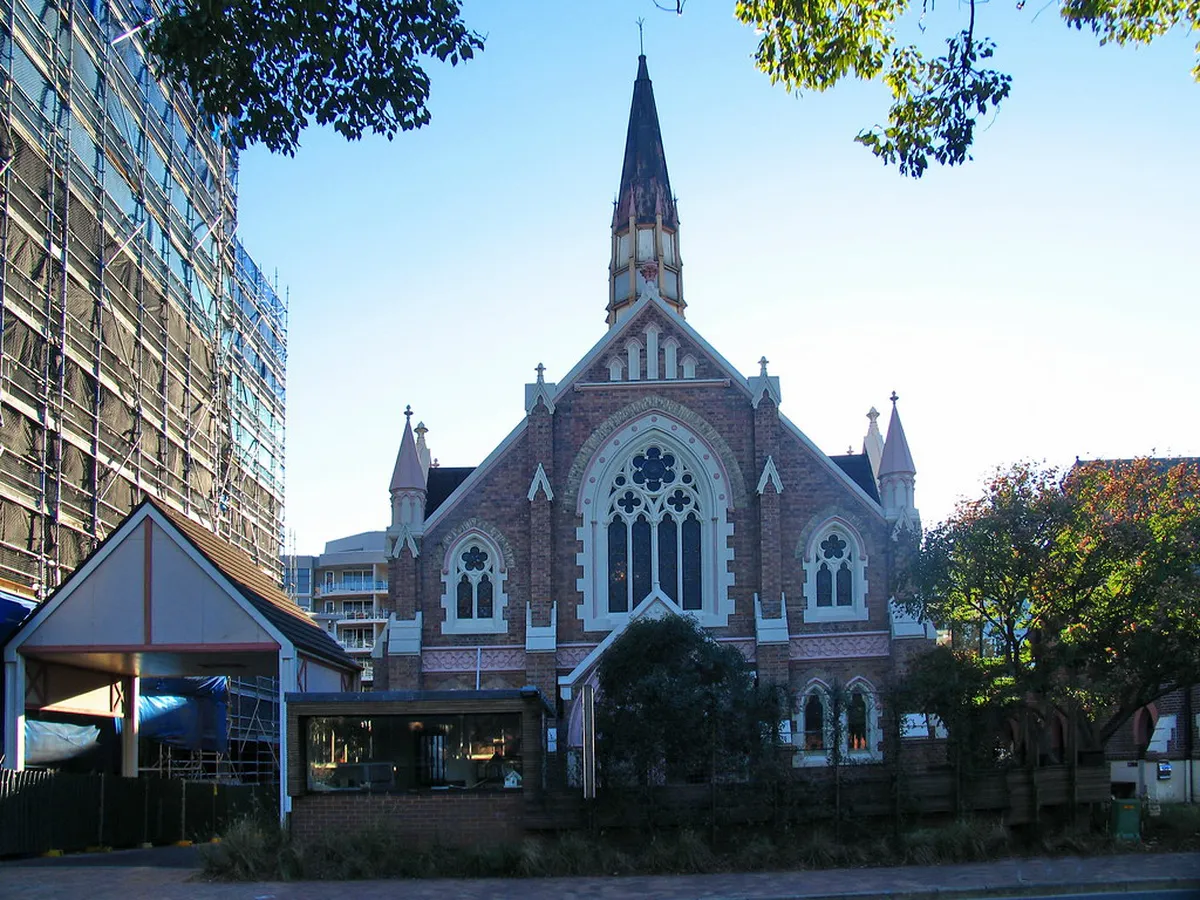
The Holy Trinity Anglican Church architecture stands as a unique monument in Ajaccio's rich history. It reflects the strong British influence within the Mediterranean city during the late nineteenth century. Today, visitors in 2025 admire this stone structure for its distinct English Gothic Revival style. It remains a key landmark in the historic Quartier des Étrangers district in Corsica today.
Origin of the Quartier des Étrangers
The Quartier des Étrangers architectural history began during the late nineteenth century in sunny Ajaccio. Wealthy British tourists started visiting the city of Ajaccio specifically for its mild winter climate. They commissioned grand hotels and private villas throughout this very beautiful and new urban area. This development fundamentally changed the southern edge of the city for many future generations.
Local planners designed wide boulevards to accommodate these affluent and international winter visitors properly. These streets featured many elegant facades and lush Mediterranean gardens for everyone to enjoy daily. The neighborhood quickly became a symbol of modern luxury and high social status within Corsica. It stood in sharp contrast to the dense Genoese old town located directly nearby.
The historic district highlights a specific period of rapid urban expansion and international cultural exchange. Architects utilized neoclassical and eclectic styles to please their many wealthy foreign clients successfully. This blend of styles created a unique cosmopolitan atmosphere in the heart of beautiful Corsica. The district continues to impress modern travelers with its historical charm and unique designs.
Defining Holy Trinity Anglican Church Architecture
The Holy Trinity Anglican Church architecture features many classic and recognizable English Gothic Revival elements. Local craftsmen used local grey granite and limestone to build this very impressive religious structure. Its steep gabled roofs and pointed arches reflect traditional British ecclesiastical designs from history. This style was very popular across Europe during the middle of the Victorian era.
The building stands out among the pastel-colored villas of the surrounding residential neighborhood today. Its rugged stone exterior provides a stark visual contrast to traditional French architecture styles nearby. You will notice the intricate tracery around the narrow lancet windows on the facade. These details demonstrate the high level of masonry skill available in the year 1878.
The church serves as a visual anchor for the British community's historical and cultural legacy. Its compact footprint fits perfectly within the residential landscape of modern-day Ajaccio city. Engineers designed the structure to withstand the coastal winds of the windy Mediterranean Sea. It remains one of the best examples of foreign architecture in the entire city.
Interior Design and Spiritual Atmosphere
The Holy Trinity Anglican Church architecture offers a quiet retreat from the busy city streets. Wooden pews provide seating for several dozen worshippers in the small central nave area. Exposed timber beams support the high ceiling and add warmth to the interior space. The atmosphere feels intimate and remarkably similar to a village church in rural England.
Stained glass windows filter the bright Corsican sun into soft colored light during the day. These windows depict various biblical scenes and important figures from the early church history. They represent a significant investment by the original British congregation living in Ajaccio city. You should take time to examine the delicate details of the masterful glasswork inside.
The altar area features simple yet elegant decorations typical of the Anglican religious tradition. Fine marble and polished wood create a sense of dignity and deep reverence within. Many of the original liturgical items remain in use for traditional services held today. This preservation helps maintain the historical integrity of the building for future generations.
Impact of British Tourism on Urbanism
The 19th-century tourism impact on Ajaccio urbanism is visible throughout the entire district. Foreign visitors demanded specific amenities like parks, libraries, and private churches for their use. These requirements led to the construction of the Grand Hotel and many nearby villas. The church was a central piece of this social infrastructure for the British visitors.
Urban planners integrated these new structures into a cohesive and beautiful Mediterranean landscape today. They used palm trees and exotic plants to line the new boulevards for tourists. This greening of the city reflected the aesthetic preferences of the wealthy British elite. It helped transform Ajaccio into a premier winter resort for many wealthy European aristocrats.
The presence of the church encouraged further development in the southern suburbs of Ajaccio. New residents built homes that reflected the prestige of the Anglican institution nearby daily. This growth solidified the reputation of the Quartier des Étrangers as an elite enclave. Today, these buildings remain highly valued for their historical and unique architectural significance.
Exploring the Church Grounds and Location
You can find the Holy Trinity Anglican Church architecture on the Rue du Cardinal Fesch. The site is easily accessible on foot from the historic city center for tourists. Lush gardens surround the building and provide a serene environment for all visitors today. These gardens feature native Corsican plants alongside imported English flowers for visual variety.
Walking through the grounds allows you to appreciate the masonry from every single angle. You can see how the architects blended the church into the sloping terrain naturally. The small bell tower remains a prominent feature of the local skyline for residents. It serves as a reminder of the city's diverse and complex religious history today.
Visitors can explore more historical sites by following an architecture in Ajaccio tour. This church is often a highlight for those interested in international and local design. Most people spend about thirty minutes admiring the various exterior and interior features here. The location provides excellent photo opportunities for architecture enthusiasts visiting in 2025.
Frequently Asked Questions
Is the Holy Trinity Anglican Church open to the public during the year 2025?
The church remains open for visitors and worshippers during specific hours throughout the whole week. It is best to check the local schedule for services and guided tours beforehand.
What architectural style is the Holy Trinity Anglican Church located in Ajaccio, France?
The Holy Trinity Anglican Church architecture was built using the English Gothic Revival style. This style is characterized by pointed arches, steep roofs, and detailed stone masonry work.
Who designed the Holy Trinity Anglican Church architecture during the late nineteenth century period?
The church was designed by architect George Edmund Street, who was famous for Gothic designs. He was a leading figure in the British Gothic Revival movement during that specific time.
Are there any entrance fees for visiting the Holy Trinity Anglican Church in Ajaccio?
There is usually no formal entrance fee for visitors wishing to see the church interior. However, small donations are always appreciated to help with the ongoing maintenance of the building.
Holy Trinity Anglican Church architecture is a vital part of Ajaccio's diverse cultural heritage. It represents the historical connection between the British community and the island of Corsica. You should definitely include this unique building on your travel itinerary for the year 2025. Explore the beautiful Quartier des Étrangers to discover more architectural gems during your stay.
Key Takeaways
- Admire the unique English Gothic Revival design features.
- Explore the historic Quartier des Étrangers district on foot.
- Visit the serene church gardens for a quiet retreat.
- Learn about the British influence on nineteenth-century Ajaccio urbanism.
Related reads: architecturebycity.com, ajaccio winter resort villas.