
Angers Cathedral Stained Glass Windows Art Guide
Explore the stunning Angers Cathedral stained glass windows. Learn about medieval art history and vibrant colors in this 2025 guide. Plan your visit today!
On this page
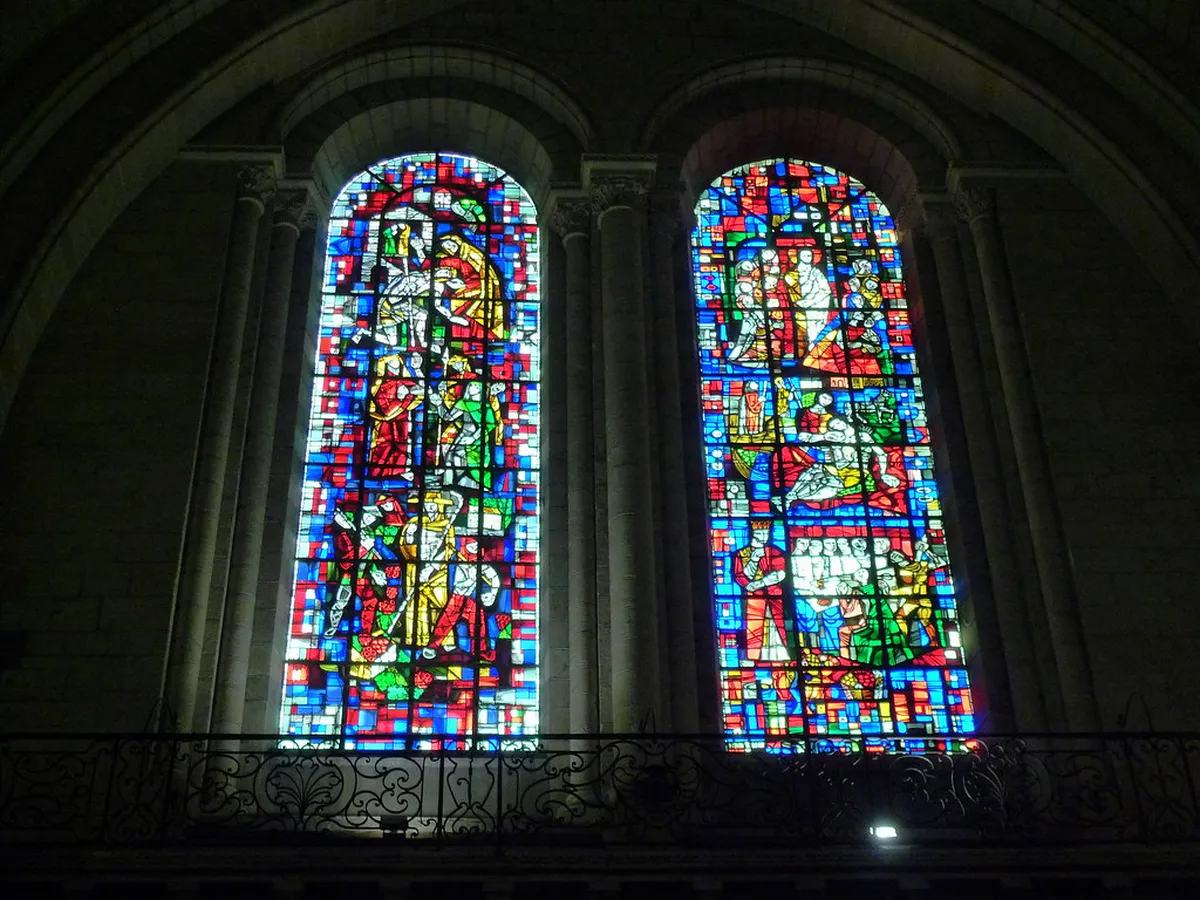
Angers Cathedral stands very tall in the heart of the beautiful Loire Valley. Its interior glows with colorful light from many ancient and detailed glass panels. The Angers Cathedral stained glass windows represent many centuries of rich French artistic history. These historic masterworks draw thousands of curious visitors to the city every single year.
Visitors often feel a sense of peace when they enter the main sanctuary. The light filters through the glass to create a rainbow on the stone floors. This guide will help you understand the history behind these world-famous glass masterpieces. You will discover how medieval artists created such lasting beauty with very limited tools.
The Medieval Origins of the Windows
The earliest windows in this cathedral date back to the early 12th century. Craftsmen used lead and cobalt to create very deep and lasting blue hues. These colors remain incredibly vibrant after nearly nine hundred years of history. They tell ancient biblical stories to everyone walking through the wide central nave.
The cathedral showcases the beautiful transition between the Romanesque and Gothic architectural styles. You can see this change clearly in the various glass shapes throughout the building. Small circular patterns evolved into tall lancet windows during the late medieval period. This growth mirrors the Saint-Maurice Cathedral architecture seen on the exterior walls.
Artists in the 1100s faced many difficult technical challenges during the production. They had to melt local sand at very high temperatures in small furnaces. Adding specific metallic oxides created the rich reds and greens found in the glass. This ancient glass survived many wars and several major natural disasters over time.
Each panel serves as a silent and powerful teacher for the local faithful. Most medieval citizens could not read the written word in their daily lives. Images in the glass provided a visual Bible for the people of Angers. This tradition helped spread important religious knowledge throughout the regions of western France.
The Iconic Blue Glass of Angers
Experts often compare this specific blue to the famous glass found in Chartres. The shade is famous for its incredible depth and its perfect clarity. It captures the bright sunlight of the Loire region during the summer months. This light creates a spiritual atmosphere inside the massive and historic stone walls.
The 12th-century glass features a unique chemical composition known to modern researchers. Local minerals gave the glass its signature and very famous Angevin blue tone. Modern scientists still study these small fragments to learn ancient artistic secrets. It is one of the oldest glass sets still existing in modern France.
Sunlight changes the appearance of the windows throughout the entire course of the day. Morning light highlights the cooler blue and violet tones in the north windows. Afternoon rays bring out the warm reds and oranges in the southern sections. Visitors should spend an hour watching these beautiful shifts during their 2025 trip.
The blue glass panels depict the long life of the Virgin Mary in detail. Her story unfolds across several large vertical sections within the choir area. The intricate details show the high skill level of the medieval glass craftsmen. These artists worked with very limited tools while creating these massive religious works.
Transept Rose Windows and Their Geometry
The north and south transepts house two magnificent and very large rose windows. These circular displays date mostly from the middle of the 15th century. They feature complex stone tracery holding the fragile glass firmly in its place. The design looks like a blooming flower when viewed from the cathedral floor.
The north rose window focuses on the theme of the Last Judgment. It uses darker tones to convey a very serious and religious message. Christ sits at the center of the large and circular stone frame. Many angels and saints surround him in the smaller glass petals nearby.
The south rose window offers a much lighter and more joyful secular theme. It displays the signs of the zodiac and various monthly labors of people. This theme shows the connection between faith and the daily lives of citizens. You can see how medieval people viewed the natural world around them.
Architects designed these windows to strengthen the walls of the Angevin Gothic style. These windows transformed the dark Romanesque interior into a light-filled and airy space. This change marked a major turning point in the history of French design. It allowed for much larger openings in the heavy stone walls of cathedrals.
Preservation and Modern Restoration Efforts
Time and modern pollution take a heavy toll on these ancient glass panels. Layers of dust can hide the brilliant colors from the view of visitors. Restoration teams work very carefully to clean every small glass piece by hand. They use soft brushes and distilled water for this very delicate task.
Some windows suffered significant damage during the chaos of the French Revolution. Experts replaced several missing sections with modern glass during the late 1800s. These newer pieces match the original colors and styles very closely today. You can barely tell the difference with the naked eye from below.
Protective outer glass now guards the historic medieval panels from the outside elements. This layer prevents rain and wind from eroding the soft lead frames. It also protects the glass from extreme temperature changes during the cold winter. This care ensures the windows last for another millennium for future generations.
Visiting the cathedral in 2025 allows you to see the current preservation projects. Artisans often share their progress through local tours or various city exhibits. Learning about the architecture in Angers helps you appreciate all of their hard work. Preservation is a constant job for the experts living in this city.
Highlights of the Central Nave Windows
The nave contains several panels showing the exciting life of Saint Catherine. Her story is told through vivid action scenes within the colorful glass. Look for the famous wheel that symbolizes her martyrdom in the lower panels. The colors here are exceptionally bright and remain very well-preserved for visitors.
Another section portrays the life of Saint Vincent of Saragossa in great detail. These windows date from the middle of the 12th century near the entrance. They are among the most valuable artifacts in the whole Saint-Maurice cathedral. The artistic style is very simple but remains extremely powerful to this day.
Walking down the central aisle feels like walking through a long history book. The windows on the left side are often older than the right side. You can observe the evolution of artistic techniques in one slow walking tour. This makes the cathedral a living museum of early French religious art.
Most nave windows sit very high above the stone floor level for safety. Bring a pair of binoculars to see the fine details very clearly today. You will notice small faces and patterns that are invisible from the ground. These details show the great pride of the original medieval glass makers.
Frequently Asked Questions
When can I see the Angers Cathedral stained glass windows?
The cathedral is open daily from 8:00 AM to 7:00 PM for everyone. Admission to the main sanctuary is completely free for all visiting tourists. Guided tours are often available for a small fee during the summer.
Where is the oldest glass located in the cathedral?
The oldest glass is located in the lower parts of the choir. These panels date back to approximately 1150 AD in the medieval era. They feature the famous deep blue colors that made the city famous.
Are there modern windows inside the historic cathedral?
Yes, some windows were replaced after significant damage in the 19th century. However, the cathedral is most famous for its 12th-century medieval glass panels. These ancient pieces remain the primary draw for most modern art historians.
How long does a visit to the windows take?
Most visitors spend about 45 minutes viewing the various windows and panels. You should allow more time if you use a professional local guide. Photography is allowed but please avoid using a camera flash inside.
Angers Cathedral offers a rare and beautiful look at medieval French artistry. The Angers Cathedral stained glass windows are a true and valuable national treasure. Their colors and stories continue to inspire many people in the year 2025. Visit this historic site to experience the magical light for yourself today.
Key Takeaways
- See the 12th-century blue glass in the choir area.
- Compare the north and south transept rose window designs.
- Visit during the afternoon for the best interior lighting effects.
Related reads: architecturebycity.com, romanesque portal of angers cathedral.