
Hôpital Saint-Jean and Musée Jean-Lurçat Visit Guide
Visit Hôpital Saint-Jean and Musée Jean-Lurçat in 2025. Discover 12th-century architecture and modern tapestries in Angers, France. Plan your tour today!
On this page
Angers is a city that prides itself on its rich cultural heritage and deep history. The Hôpital Saint-Jean and Musée Jean-Lurçat represent a unique blend of medieval history and modern art. This guide provides everything you need to know about these historic landmarks in 2025. You will find this site on the edge of the Maine River in western France.
The Hôpital Saint-Jean and Musée Jean-Lurçat are essential stops for architecture lovers and art fans. This complex offers a rare look at how medieval buildings can house modern masterpieces. You can walk through ancient halls and see vibrant tapestries in one visit. It remains one of the most significant historical sites in the city of Angers.
Visiting this site allows you to experience the evolution of French design over many centuries. The early Gothic structure stands in contrast to the colorful textile art created recently. It is a place where the past and present meet in a beautiful way. Plan your journey to explore this masterpiece of 12th-century hospital architecture in France today.
The Long History of Hôpital Saint-Jean
Hôpital Saint-Jean was established in the 12th century to serve the local community. King Henry II of England founded this site in 1175 as an act of penance. It served as a public hospital for the poor residents of Angers for centuries. The building remained an active medical facility until the middle of the 19th century.
This historic site is a rare survivor of medieval healthcare architecture in Europe. Doctors and nurses treated thousands of patients within these stone walls over many generations. The layout reflects the religious and social values of the Middle Ages in France. It shows how the city cared for its most vulnerable citizens during difficult times.
In the 1800s, newer medical facilities were built to replace this aging complex. The site was eventually protected as a historical monument to save its unique features. It now serves as a museum to showcase the rich history of the region. Visitors can still feel the weight of history when they enter the grand halls.
Preservation efforts have kept the original structure intact for modern travelers to enjoy today. The stone walls tell stories of healing, faith, and community service across the ages. It is a peaceful place that offers a quiet look at the medieval world. You will leave with a deep appreciation for the longevity of French historical sites.
Angevin Gothic Architectural Features
The Great Hall is a prime example of the Angevin Gothic style in the region. It features slender columns and graceful ribbed vaults that reach toward the high ceiling. The height and light of this hall create a very peaceful and open atmosphere. It is a stunning display of 12th-century engineering and design skills.
Each vault in the hall is crafted with precision to support the massive stone roof. The ribs are thinner and more elegant than those found in other Gothic styles. This design allowed for larger windows to bring natural light into the healing space. You can see the skill of the medieval stonemasons in every detail here.
The symmetry of the Great Hall is meant to inspire awe and provide comfort. Architects of the time believed that beauty could help in the healing process of patients. The large open floor once held rows of beds for the sick and the poor. It remains one of the best-preserved medieval hospital halls in the entire world.
Walking through the hall reveals the transition from Romanesque to early Gothic architectural forms. The pointed arches show the innovation that was happening in France during the 1100s. You should take a moment to look up at the intricate patterns of the stone. This hall is a true masterpiece of medieval construction and artistic vision.
Masterpieces in the Musée Jean-Lurçat
The Hôpital Saint-Jean and Musée Jean-Lurçat house the famous tapestry cycle known as Le Chant du Monde. Artist Jean Lurçat created these ten massive tapestries between 1957 and 1966. They offer a modern response to the medieval Apocalypse Tapestry found at the nearby castle. The colors and themes are meant to reflect the human condition in the nuclear age.
Le Chant du Monde translates to The Song of the World in English. The series begins with images of destruction and the threat of global war. It then transitions into scenes of hope, nature, and the beauty of life. The scale of the work is truly impressive when seen in person.
Each tapestry is woven with incredible detail using traditional French techniques and bright colors. Jean Lurçat was a leader in the revival of contemporary tapestry art in France. He wanted to bring this ancient medium into the modern era for new audiences. His work continues to inspire artists and visitors from all over the world.
The contrast between the medieval hall and the modern tapestries is very striking. The dark stone walls provide a perfect backdrop for the vibrant textile art. You can spend an hour just looking at the symbols hidden in the weave. This collection is a highlight of any cultural tour in the city of Angers.
The Serene Cloisters and Botanical Gardens
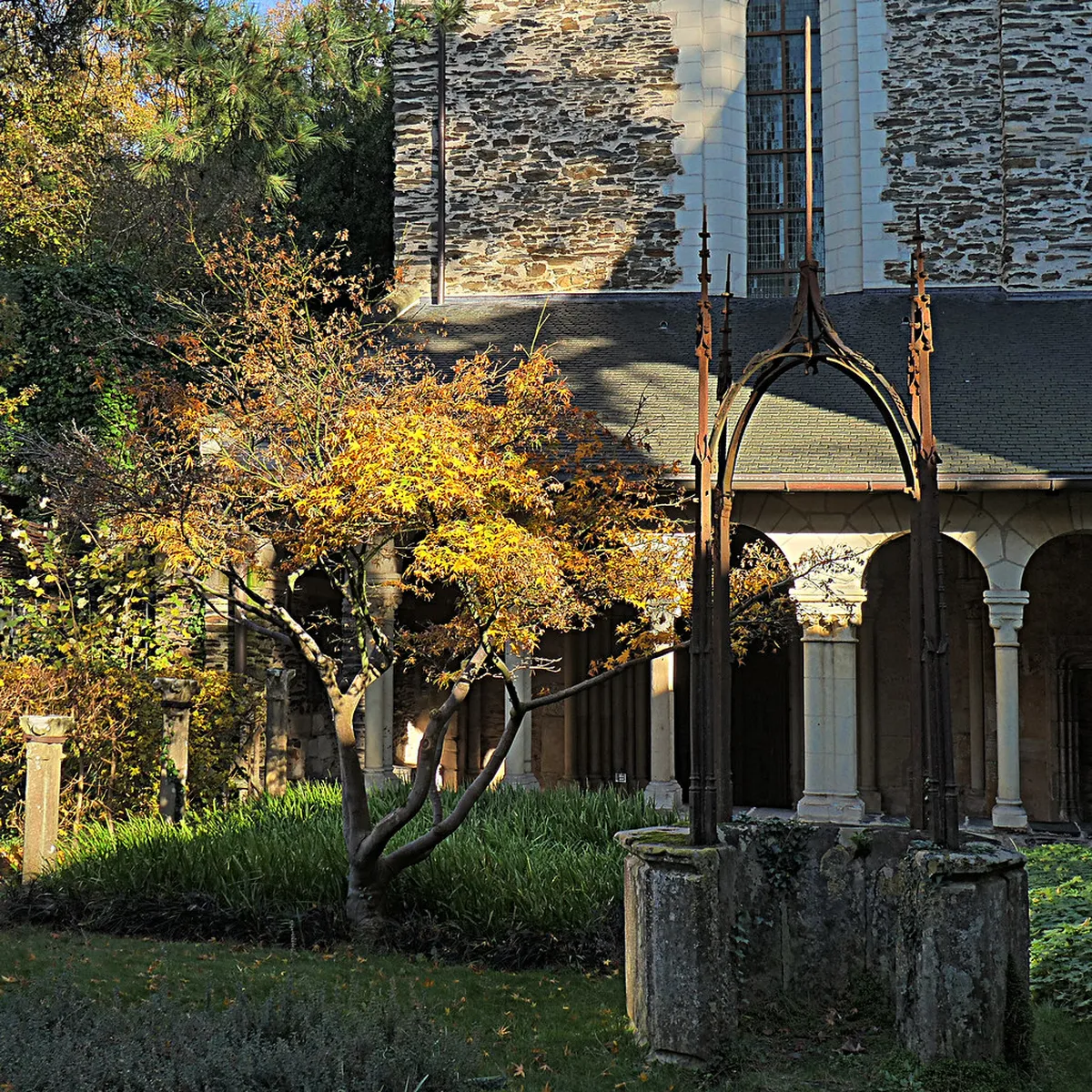
Visitors can stroll through the peaceful Musée Jean-Lurçat cloister and gardens during their stay. The cloister features elegant stone arches that surround a central open courtyard. It was originally built to give hospital staff and patients a place for quiet reflection. The atmosphere remains calm and quiet despite being near the busy city center.
Nearby, the old apothecary gardens grow many medicinal herbs used during the Middle Ages. You can see plants that were once processed into teas and ointments for healing. The garden is organized into neat beds that follow traditional medieval planting patterns. It is a great place to learn about the history of medicine.
The gardens are especially beautiful during the spring and summer months in 2025. Flowers bloom in the courtyard and fill the air with sweet scents for visitors. You can find many benches to sit on and enjoy the historic surroundings. It is a perfect spot for photography or a quiet break between museum stops.
This part of the complex highlights the connection between nature and health in history. The monks and nuns who worked here believed that fresh air was vital for recovery. You will enjoy the architectural details of the cloister while walking on the grass. The gardens add a living element to the historical stone buildings on the site.
Exploring the Historic La Doutre District
The museum is located in the heart of the charming La Doutre district architecture area. This neighborhood sits on the right bank of the Maine River in Angers. It is known for its narrow streets and beautiful medieval timber-framed houses. Many visitors find this part of the city to be the most authentic.
La Doutre has a different feel compared to the busier commercial center across the water. It was historically home to many religious orders and wealthy merchant families. You can find hidden squares and small cafes while walking through the area. It is the perfect place to explore after your museum visit.
The streets around the Hôpital Saint-Jean are filled with historic character and charm. You can see various styles of French housing from different centuries in one walk. Many of the buildings have been carefully restored to preserve their original look. The district feels like an open-air museum for architecture fans to enjoy.
Make sure to look for the old abbey and the small local shops nearby. The neighborhood is very walkable and offers many photo opportunities at every corner. Locals often frequent the bakeries and small parks in this historic part of town. Exploring La Doutre is the best way to see the real spirit of Angers.
Planning Your Visit to Angers in 2025
The Hôpital Saint-Jean and Musée Jean-Lurçat are open to the public throughout the year. In 2025, the standard entry fee for an adult is around 6 Euros. You can purchase tickets at the entrance or through the official tourism website. Discounted rates are often available for students, seniors, and large groups.
The museum typically opens at 10:00 AM and closes at 6:00 PM most days. It is a good idea to check for holiday closures before you travel. You should allow at least two hours to see the tapestries and gardens. This will give you enough time to read the informative signs and displays.
Getting to the site is easy by using the local tram or bus lines. The complex is within walking distance from the main castle and the cathedral. If you are driving, there are several parking lots nearby in the La Doutre district. Most visitors prefer to explore the area on foot to see the sights.
Consider joining a guided tour to learn more about the specific history of the site. Guides can provide deep insights into the meaning of the tapestries and the architecture. You will find that many staff members speak English and can help with questions. It is a welcoming place that offers a high-quality cultural experience for everyone.
Frequently Asked Questions
What are the opening hours for Hôpital Saint-Jean and Musée Jean-Lurçat?
The museum is usually open from 10:00 AM to 6:00 PM daily. It may close on certain public holidays in 2025. Always check the official website for the latest schedule before your visit. Morning visits are often less crowded than afternoon times.
How much does a ticket to Musée Jean-Lurçat cost?
A standard adult ticket costs approximately 6 Euros at the door. There are reduced prices for younger visitors and groups of people. Admission may be free on the first Sunday of the month. This makes it an affordable stop for most travelers in Angers.
Is the museum accessible for people with limited mobility?
The Great Hall and the main tapestry galleries are accessible for many visitors. However, some parts of the historic gardens have uneven stone paths. Staff members are available to assist you with the best routes through the site. It is a fairly accessible location for a medieval building.
Can I take photos inside the Hôpital Saint-Jean?
Photography is generally allowed for personal use inside the museum and gardens. However, you must avoid using a flash to protect the delicate tapestries. Respect any signs that indicate specific areas where cameras are not permitted. Capturing the light in the Great Hall is a favorite activity for many.
A visit to the Hôpital Saint-Jean and Musée Jean-Lurçat is a highlight of any trip to Angers. You will enjoy the stunning medieval architecture and the powerful modern art. This site offers a peaceful retreat into the history and culture of France. Be sure to include an Angers architecture walking tour itinerary in your travel plans. Experience the beauty of the Loire Valley this year.
Key Takeaways
- Explore one of the oldest medieval hospital buildings in Europe.
- See the stunning Le Chant du Monde tapestry cycle by Jean Lurçat.
- Admire the unique Angevin Gothic architectural style of the Great Hall.
- Walk through the historic apothecary gardens and peaceful stone cloisters.
Related reads: architecturebycity.com, architecture in angers.