
Musée Jean-Lurçat Cloister and Gardens Guide
Explore the Musée Jean-Lurçat cloister and gardens in Angers. Discover medieval design and tapestries in this 2025 guide. Plan your historic garden visit today.
On this page
The Musée Jean-Lurçat cloister and gardens stand as a true hidden gem in Angers. This stunning site merges ancient history with the beauty of modern textile art. Visitors in 2025 can explore the oldest preserved medieval hospital in all of France. These peaceful grounds offer a unique look into the artistic soul of the city.
You will find this landmark nestled within the historic Hôpital Saint-Jean and Musée Jean-Lurçat complex. The hospital dates back to the twelfth century and shows incredible Angevin Gothic architecture. Its cloister and gardens provide a quiet sanctuary for every traveler. This space connects the historic stone halls with the vibrant nature outside.
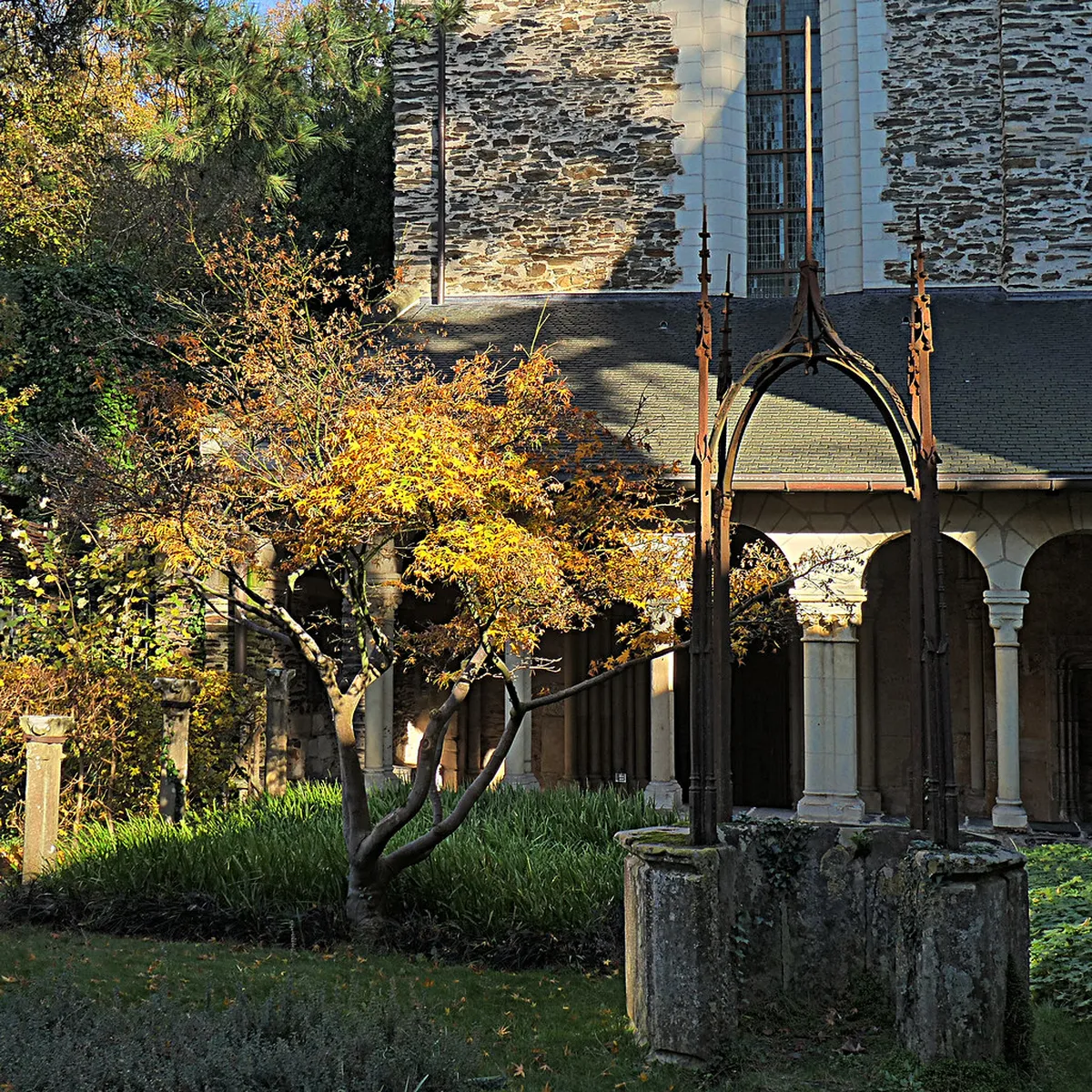
The cloister serves as a bridge between the past and the present day. Ancient stone arches frame views of meticulously maintained lawns and local flora. It is the perfect place to experience the history of the Loire Valley. The garden design reflects the traditional styles once used by medieval monks. You can spend hours admiring the harmony between the building and nature.
Walking through the gardens prepares you for the massive tapestries housed inside. The famous Le Chant du Monde tapestry series awaits within the Great Hall. The natural light in the cloister creates a serene mood for art lovers. It is a primary destination for those interested in French heritage. Every corner of the grounds tells a story of healing and creativity.
The Historic Architecture of the Medieval Cloister
The Romanesque architecture of the cloister is a highlight of your visit. These stone walkways were built to provide shade and quiet for hospital staff. You can see the intricate carvings on the pillars that support the roof. These features represent the transition from Romanesque to early Gothic styles. The stone glows with a warm light during the late afternoon hours.
Construction began in the late 1100s during a time of great local growth. The hospital served the poor and sick of Angers for many centuries. Its cloister remained a central part of the daily life for workers. Today, it stands as a testament to the durability of French masonry. You can still see the marks left by ancient stone carvers.
The open courtyard allows light to flood the surrounding covered walkways. This design was essential for air circulation in the old medical complex. It creates a square shape that is common in many French monasteries. Each side of the cloister offers a different view of the central garden. This symmetry provides a sense of peace to all who walk here.
You will notice the contrast between the rough stone and delicate plants. The arches are sturdy yet elegant in their simple geometric design. This architectural style is typical of the La Doutre district architecture found nearby. It serves as a great example of functional medieval design. The cloister has survived wars and revolutions throughout its long history.
Photographers love this section of the museum for its clean lines. The repetitive nature of the arches creates a beautiful visual rhythm. You should take time to sit on the stone benches along the wall. This allows you to soak in the atmosphere of ancient France. It is a rare chance to see such old structures in person.
Designing the Musée Jean-Lurçat Cloister and Gardens
The gardens are designed to reflect the classic medieval style of planting. You will find various sections dedicated to medicinal herbs and decorative flowers. These plants were once vital for the hospital that stood on this site. The layout follows a logical grid that is easy to navigate. It creates a structured yet natural feel for the visitors.
Manicured lawns provide a soft green carpet between the stone pathways. These grass areas are kept in perfect condition throughout the entire year. The green color contrasts beautifully with the white limestone of the buildings. Small hedges define the borders of the different plant beds. This organization helps to highlight the variety of species growing here.
In the spring, the gardens come alive with vibrant colors and scents. You can find roses, lavender, and local wildflowers blooming in the beds. The design encourages bees and butterflies to visit the urban sanctuary. This focus on biodiversity makes the garden a living part of the city. It is a great spot for nature lovers to explore.
Maintenance of the gardens is a top priority for the museum staff. They use traditional gardening techniques to preserve the historic look of the site. You can see gardeners working during the early morning hours in 2025. Their dedication ensures that the grounds look spectacular in every season. The garden remains a source of pride for the local community.
The paths are made of gravel and stone to match the architecture. They are wide enough for multiple people to walk comfortably together. You can follow these paths to reach the various museum entrances. The layout ensures that you see the best views of the hospital. It is a masterclass in combining landscape design with historic preservation.
The Role of Plants in Medieval Healing
Plants played a massive role in the history of this old hospital. Medieval doctors relied on herbs to treat a wide variety of illnesses. The garden once grew sage, mint, and rosemary for these medical purposes. You can find labels explaining the uses of these plants today. It is a fascinating look into the history of early medicine.
The garden was not just for medicine but also for spiritual health. Patients would look out at the greenery to find comfort and hope. The quiet nature of the cloister helped to reduce stress for everyone. This connection between nature and healing is still felt by visitors today. The atmosphere remains very calm and restorative for the modern soul.
Many of the species grown here are native to the Loire Valley. They are well-suited to the temperate climate of western France. These plants require less water and maintenance than exotic varieties. This choice reflects a commitment to sustainable gardening practices in Angers. You will see how these plants thrive in the local soil.
Visitors can learn about the symbolic meanings of different flowers here. Lilies often represented purity in the religious context of the hospital. Roses were symbols of love and the blood of the martyrs. Understanding these meanings adds another layer to your garden tour. It helps you see the garden through medieval eyes.
The herb garden is particularly popular with culinary enthusiasts and chefs. You can smell the fresh scents of thyme and oregano in the air. These plants were essential for flavoring the food in the hospital kitchen. Today, they serve as a living link to the daily life of monks. It is a sensory experience that stays with you long after.
Seasonal Highlights for Your 2025 Visit
Every season brings a new look to the Musée Jean-Lurçat grounds. Spring is the most popular time for visitors to see the blooms. The fruit trees in the courtyard start to flower in late March. You can enjoy the mild weather while walking through the green paths. It is the best time for taking colorful garden photos.
Summer offers long days and plenty of sunshine for your exploration. The thick stone walls of the cloister provide a cool escape. You can find shade under the ancient arches during the midday heat. The gardens are in full growth during the months of July and August. It is a lively time to visit the museum complex.
Autumn brings golden hues to the leaves of the garden trees. The light becomes softer and creates a romantic mood on the grounds. You will find fewer crowds during this time of the year. This allows for a more private experience of the historic site. The cooling air makes walking through the district very pleasant.
Winter reveals the strong structural lines of the medieval buildings. Without the leaves, you can see the details of the stone better. The gardens remain tidy and offer a stark, peaceful beauty. You might even see a light frost on the boxwood hedges. It is a quiet season perfect for deep reflection and study.
Regardless of when you visit, the site remains open to the public. Check the museum website for specific holiday hours during your 2025 trip. Early morning visits are recommended for the best lighting and peace. You can easily include this stop on an Angers architecture walking tour itinerary. It fits perfectly between other major city landmarks.
Integrating Art and Nature in Angers
The relationship between the tapestries and the gardens is very intentional. Jean Lurçat was inspired by the natural world for his art. His tapestries feature bold depictions of plants, animals, and the elements. Walking through the garden first helps you appreciate his artistic vision. You will see the same organic shapes in the woven wool.
The museum is unique because it blends these two different worlds together. You move from the living garden into the world of woven art. This transition is seamless and enhances the overall visitor experience. It shows how art can be a reflection of our environment. The cloister serves as the perfect setting for this creative dialogue.
Local artists often come to the gardens to sketch and paint. The quiet environment provides the perfect workspace for creative minds. You might see people with their easels near the stone arches. This continues the tradition of art within the hospital walls. It keeps the spirit of Jean Lurçat alive in the city.
The museum often hosts special events and garden tours in the summer. These programs explain the history of the tapestries and the grounds. You can join a guided walk to learn more specific details. It is a great way to meet other art and history fans. These events are usually included with your standard museum ticket.
Angers is known for its beautiful parks and garden spaces. This site is perhaps the most historic of them all. It represents a long tradition of gardening in the Loire Valley. The city takes great care to protect these important cultural landscapes. You will see this dedication in the high quality of the museum.
Practical Tips for Exploring the Museum Grounds
The museum is located at 4 Boulevard Arago in the city. You can reach it easily by walking from the center. The walk takes about fifteen minutes from the main shopping area. Public transport options like the tram are also available nearby. This makes it a very accessible site for all travelers.
Admission fees are very reasonable for a site of this quality. Adult tickets typically cost around six euros for full museum access. Children and students often receive a discount on their entry price. You should check for combined tickets with other local museums. This can save you money if you plan to see everything.
The site is mostly accessible for those with limited mobility today. Most of the cloister paths are flat and easy to navigate. Some of the older stone steps may require extra care. Staff members are always available to assist you if needed. It is a welcoming environment for visitors of all ages.
Wear comfortable walking shoes for your visit to the museum grounds. The stone and gravel paths can be uneven in some places. You will likely spend at least two hours exploring the site. Having good shoes will make your experience much more enjoyable. It is a large complex with many things to see.
Bring a small camera to capture the beauty of the gardens. Photography is allowed in most outdoor areas of the museum. Please be respectful of other visitors while you take your photos. Avoid using large tripods that might block the narrow stone paths. The memory of these gardens will stay with you forever.
Frequently Asked Questions
What is the best time to visit the gardens in 2025?
Spring and summer are the best times to visit the gardens. The flowers are in full bloom during these warmer months. You will experience the best weather for walking outdoors. Early mornings offer the most peaceful atmosphere for your visit.
Is the Musée Jean-Lurçat cloister and gardens free to enter?
There is usually a small fee to enter the museum complex. This ticket includes access to the cloister and the gardens. The price is very affordable for most international travelers. Check the official website for any free entry days in 2025.
How long should I spend at the Musée Jean-Lurçat?
Plan to spend at least two hours at the museum. This allows time for the tapestries and the gardens. You can walk through the cloister at a very relaxed pace. History fans may want to stay even longer to read all signs.
Can I take photos inside the cloister area?
Yes, photography is permitted in the outdoor cloister and garden areas. You can capture the beautiful stone arches and the local plants. Please remember to turn off your flash when entering the tapestry halls. Respect the quiet nature of the museum during your session.
Are the gardens accessible for wheelchairs?
Most of the garden paths are accessible for wheelchair users. The cloister walkways are flat and made of sturdy stone. Some areas of the historic hospital may have small steps. Staff can provide information on the best routes to take.
The Musée Jean-Lurçat cloister and gardens are a highlight of any trip to Angers. You will enjoy the perfect blend of medieval architecture and lush nature. It is a place that offers peace, beauty, and deep historical insights. Make sure to add this site to your 2025 travel plans.
Plan your visit today to see these incredible stone arches for yourself. You will leave with a new appreciation for French art and history. The gardens are waiting to share their quiet beauty with you. Enjoy your journey through one of the most historic sites in France.
Key Takeaways
- The site features the oldest preserved medieval hospital in France.
- The cloister showcases beautiful Romanesque and early Gothic stone architecture.
- Traditional medieval gardens provide a peaceful setting for the tapestries.
- Spring and summer are the best seasons for viewing the blooms.
- The museum is located in the historic La Doutre district of Angers.
Related reads: architecturebycity.com, architecture in angers, salle des pauvres structural design.