
Arles Ancient Museum Expansion Project News
Learn about the Arles ancient museum expansion project. Discover new galleries and Roman treasures in 2025. Explore French history and design today!
On this page
Arles stands as a shining beacon of Roman history in southern France. The city now prepares for the significant Arles ancient museum expansion project starting soon. This development aims to modernize the famous Musée de l'Arles Antique. It will provide more space for rare archaeological discoveries. Local leaders believe this project will transform the visitor experience entirely.
The current museum holds thousands of artifacts from the Roman era. Experts found many of these items in the nearby Rhone river. Growing collections now require a larger and more modern facility. This expansion represents a major investment in French cultural heritage. You can explore the current Arles Blue Museum structure before the new changes begin.
Construction will focus on creating a seamless flow for all guests. The project plans to integrate new technology with ancient stories. Historians expect the upgrades to be completed by late 2025. This timeline ensures the museum remains a top global destination. Travelers should plan their visits to witness this historic transformation firsthand.
History of the Musée de l'Arles Antique
The museum first opened its doors to the public in 1995. It was built on the site of a Roman circus. This location provides a direct link to the ancient world. The building itself is a masterpiece of contemporary design. It features a striking triangular shape and bright blue walls.
Henri Ciriani served as the lead architect for the original structure. He wanted to create a space that felt light and open. The Ciriani museum design remains iconic in the world of modern architecture. It uses glass and concrete to frame the artifacts beautifully. Many visitors come just to see the building itself.
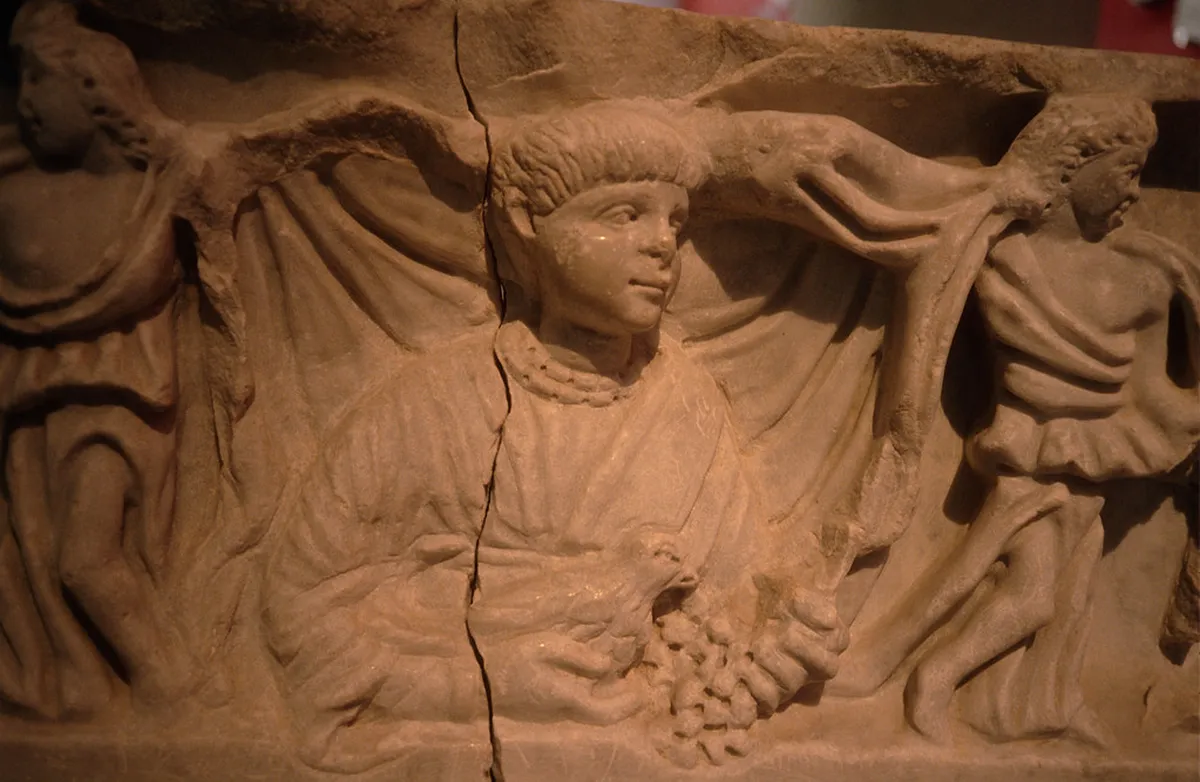
The museum houses a world-renowned collection of Roman sculptures and mosaics. One of its most famous pieces is the bust of Julius Caesar. This artifact dates back to the first century BC. Researchers discovered it in the Rhone river in 2007. It remains one of the most important Roman finds ever.
Over the years, the museum collection has grown significantly in size. Underwater excavations continue to yield new and exciting Roman treasures. Space inside the original building has become quite limited recently. Staff must carefully manage how they display these large stone items. This growth led directly to the current expansion plans.
The site also preserves parts of the ancient Roman circus track. Visitors can see where chariots once raced thousands of years ago. This historical context makes the museum unique in Europe. The new expansion will honor this heritage while looking forward. It creates a bridge between the past and the future.
Details of the Arles Ancient Museum Expansion Project
The Arles ancient museum expansion project adds 1,000 square meters of space. This new area will primarily focus on underwater archaeology. It provides a dedicated home for the Arles-Rhône 3 barge. This vessel is an incredibly well-preserved Roman trading ship. Moving it required precision engineering and careful planning.
The new wing will feature specialized climate control systems for artifacts. Wood and leather items require very specific humidity levels to survive. Architects designed the expansion to meet these strict preservation standards. This ensures that future generations can enjoy these fragile items. The costs for these systems are included in the budget.
Engineers will use sustainable materials for the new construction phases. They aim to reduce the carbon footprint of the entire facility. Solar panels may be installed on the new roof sections. This approach aligns with modern environmental goals in France. It sets a new standard for cultural building projects.
The expansion also includes a new research laboratory for scientists. Experts will have more room to study newly found artifacts. This facility will attract top archaeologists from around the world. It strengthens the museum's role as a center for learning. Education remains a core part of the museum's mission.
Updated signage and digital displays will improve the visitor experience. Interactive maps will guide guests through the new galleries easily. You will find more seating areas and rest zones throughout. These small details make a big difference for long visits. The museum wants every guest to feel comfortable and informed.
Architectural Design and Visual Aesthetic
The new extension will mirror the aesthetic of the original building. Architects plan to use similar shades of blue and glass. This creates a unified look for the entire museum complex. The transition between old and new sections will be smooth. Guests will feel like they are in one single building.
Large windows will allow natural light to flood the new galleries. This light helps to highlight the textures of ancient stone. It also offers views of the surrounding Roman landscape and river. The connection to nature is a key design element. Light levels will be adjusted to protect sensitive objects.
Minimalist interiors will keep the focus on the Roman artifacts themselves. Neutral colors will provide a calm background for vibrant mosaics. The layout encourages a chronological journey through the history of Arles. Clear paths help visitors understand the passage of time. Every room tells a specific story about Roman life.
Modern glass walkways will connect the different wings of the museum. These paths offer unique perspectives on the original Ciriani design. They allow visitors to see the building from new angles. Photography enthusiasts will find many great spots for pictures. The design combines functionality with artistic beauty perfectly.
Outdoor spaces are also getting a significant design upgrade soon. New gardens will feature plants known to the ancient Romans. Benches will offer places for quiet reflection after a tour. The landscaping will blend naturally with the nearby river banks. This creates a peaceful environment for all museum visitors.
Project Timeline and Visitor Access in 2025
The expansion project began with early site preparation in late 2024. Heavy construction will continue through the middle of 2025. Workers are currently focusing on the foundation for the new wing. They must work carefully near the ancient Roman circus remains. Archaeological monitors are present on-site during all digging.
The museum remains open to the public during most construction phases. Some galleries may close temporarily for renovations or moving items. Visitors should check the official website before their arrival in Arles. Ticket prices may vary during the transition period in 2025. Staff will provide maps of the accessible areas daily.
Completion of the main structure is expected by September 2025. After that, the interior fit-out and artifact moving will begin. This stage requires delicate handling of very heavy stone objects. Cranes will be used to place the largest statues safely. The grand opening ceremony is planned for December 2025.
Special tours will offer a behind-the-scenes look at the progress. Guests can learn about the engineering challenges of the expansion. These tours provide unique insights into modern museum management. Booking in advance is highly recommended for these limited slots. It is a rare chance to see history being made.
The museum shop and cafe will also see some improvements. More local products and books will be available for purchase. The cafe menu will feature traditional Provencal dishes and snacks. These services help fund the ongoing maintenance of the museum. They provide a nice break during a busy day.
Cultural Impact and Future of Arles Tourism
Arles is already famous for its incredible Roman architecture in Arles and history. The expansion project will boost the city's reputation even further. It attracts more international tourists and history lovers every year. Local businesses expect a rise in visitors starting in 2025. This growth benefits the entire economy of the region.
Schools will have better access to educational resources and workshops. New classrooms will host groups of students for history lessons. Children can learn about archaeology through hands-on activities and displays. These programs inspire the next generation of historians and researchers. Education is the best way to preserve our past.
The museum will host more international exhibitions in the new space. Collaborative projects with the Louvre and British Museum are possible. This puts Arles at the center of the global cultural map. Sharing artifacts helps people understand the shared history of humanity. It fosters a sense of global community and respect.
Enhanced accessibility features will benefit visitors with limited mobility. New elevators and ramps will be installed in both wings. Braille signage and audio guides will also be updated soon. The museum aims to be inclusive for every single person. Everyone should have the chance to explore Roman history.
This project secures the museum's future for the next fifty years. It provides the infrastructure needed for a modern cultural institution. Arles continues to prove that ancient history can stay relevant today. The city remains a vibrant place where the past lives on. Plan your trip now to see these changes.
Frequently Asked Questions
When will the Arles museum expansion be finished?
The Arles ancient museum expansion project is scheduled for completion in late 2025. Most new galleries should be open by December of that year. Check local news for the exact grand opening date.
Is the Musée de l'Arles Antique open during construction?
Yes, the museum remains open during the expansion project in 2025. Some sections might close briefly for safety reasons or renovations. Visitors can still view most of the permanent collection artifacts.
What is the most famous artifact in the Arles museum?
The bust of Julius Caesar is the most famous item on display. It was found in the Rhone river and dates to 46 BC. The Roman barge is another major highlight for visitors.
The Arles ancient museum expansion project is a vital step for French culture. It preserves the city's incredible Roman heritage while modernizing the visitor experience. New galleries and technology will make history come alive for everyone in 2025. You should visit Arles soon to witness this amazing transformation yourself. Experience the beauty of the modern architecture in Arles today!
Key Takeaways
- The expansion adds 1,000 square meters of exhibition space by late 2025.
- A new dedicated wing will house the Arles-Rhône 3 Roman barge.
- The museum remains open to visitors during the construction process.
Related reads: architecturebycity.com, architecture in arles.